Republicans Seek Protections for Oil Giants Against Climate Lawsuits
Utah passed a law to insulate oil companies against efforts to make them pay for their role in global warming. A nationwide version is in the works.
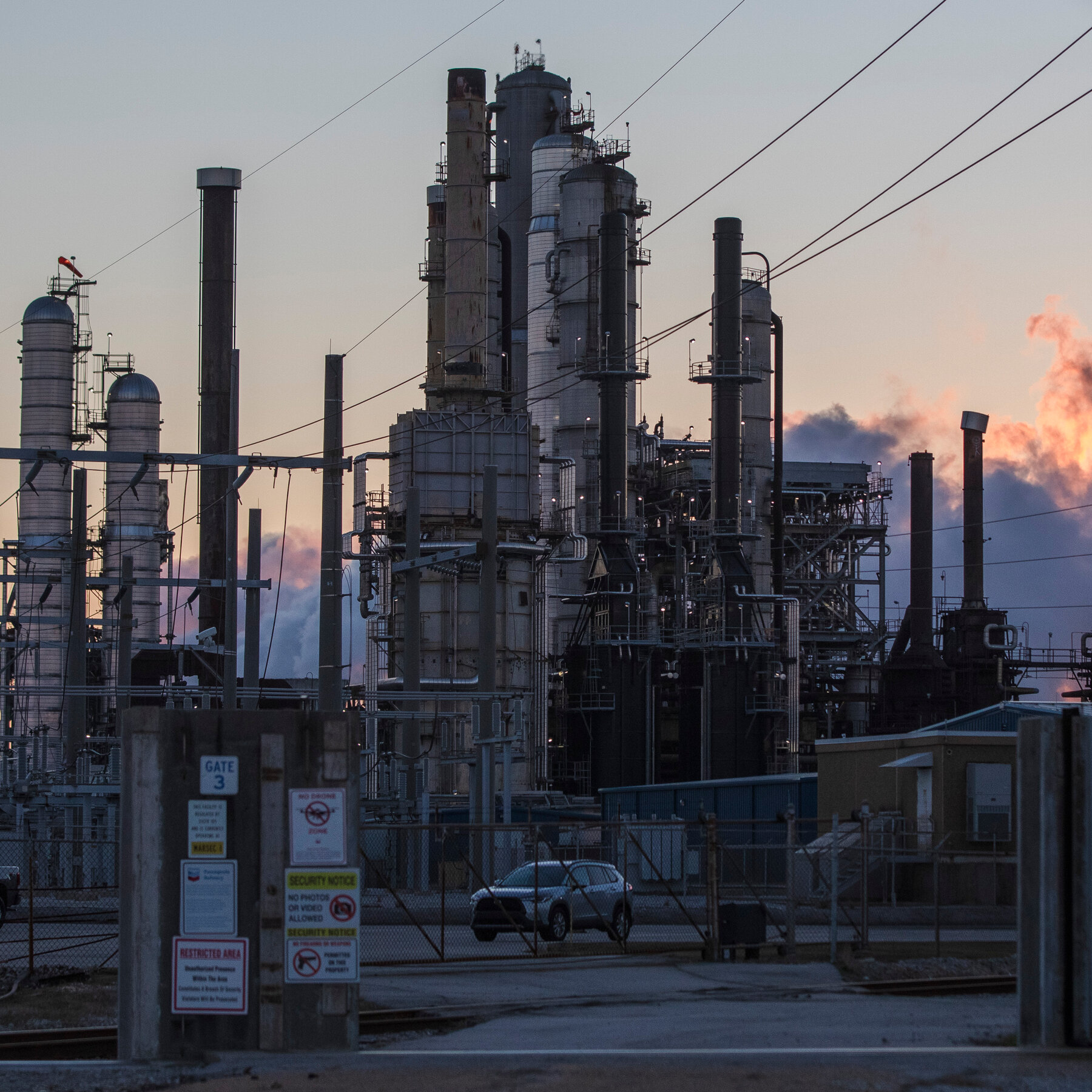
Republicans are pushing for protections that would shield major oil companies from climate change lawsuits, a move that critics argue could exacerbate the global warming crisis by deterring litigation that holds corporations accountable for their environmental impact. The impetus for this effort stems from a recent state-level action in Utah, where lawmakers passed a law designed to insulate oil companies against legal challenges aimed at making them pay for their role in global warming. This development has spurred calls for a nationwide version of such protections, with Republican-led legislative bodies in several states reportedly considering similar measures.
The Utah law, which took effect in January 2024, specifically targets lawsuits filed under the state's Global Warming Response Act. The legislation, known as HB 123, was introduced by Republican Representative Mark Johnson, who argued that the lawsuits against oil companies were "baseless" and could lead to "unprecedented economic harm." Critics of the law, including environmental groups and some Democrats, have denounced it as an attempt to protect corporate interests at the expense of public health and the environment.
The push for nationwide protections comes as major oil companies like ExxonMobil, Chevron, and ConocoPhillips face increasingly aggressive legal claims over their alleged contributions to climate change. These lawsuits, which have been filed in multiple states, allege that these corporations knew about the dangers of greenhouse gas emissions and deliberately concealed this information to continue profiting from fossil fuels. If successful, these cases could result in massive financial settlements or judgments, potentially forcing companies to drastically alter their business models or even go bankrupt.
Republican lawmakers who support the idea of national protections argue that such lawsuits are nothing more than "shakedowns" and that they threaten the very livelihoods of workers in the oil and gas industry. They contend that the legal system is being weaponized to target these companies and that such protections are necessary to prevent "runaway litigation" that could lead to job losses and economic instability.
However, opponents of these proposed protections warn that they would undermine the ability of individuals and communities to hold corporations accountable for their role in the climate crisis. Environmental advocates argue that allowing oil companies to avoid legal responsibility for their emissions would send a dangerous message to other polluters and could stifle the transition to cleaner energy sources. They also point out that the costs of climate change—ranging from sea-level rise to extreme weather events—are borne primarily by marginalized communities and future generations, many of whom have little political power to challenge such corporate protections.
The debate over these protections is closely tied to broader political and ideological divides. Republicans, who have historically prioritized industry interests and free-market principles, view such legal challenges as an overreach of government power and a threat to the free enterprise system. In contrast, Democrats and many environmental groups emphasize the urgent need to address climate change and view lawsuits against corporations as a critical tool for achieving this goal.
As the national conversation about climate change and corporate responsibility intensifies, the push for protections against climate lawsuits is likely to become a focal point of political contention. Environmental groups are already mobilizing to oppose such measures, while oil industry lobbyists are expected to mount a significant effort to sway lawmakers in favor of their cause. The outcome of this battle will have profound implications for the future of the climate change litigation landscape and the broader struggle to address the global warming crisis.
In the meantime, the Utah law serves as a cautionary example of the potential consequences of allowing corporate interests to dictate the terms of the climate debate. By shielding oil companies from legal accountability, such protections could perpetuate the status quo and exacerbate the very environmental problems they are supposed to address. As the nation grapples with the complex interplay of economics, politics, and ecology, the fight over climate lawsuits is poised to become a defining moment in the struggle to shape a sustainable future.