
Rent Mason Bees has 3 million mason bee cocoons ready for spring pollination in backyard gardens and orchards
Mason bees are solitary, gentle, non-aggressive bees that do not live in hives, produce honey or sting and have no hive to defend. They are easy to host and require no beekeeping skills.
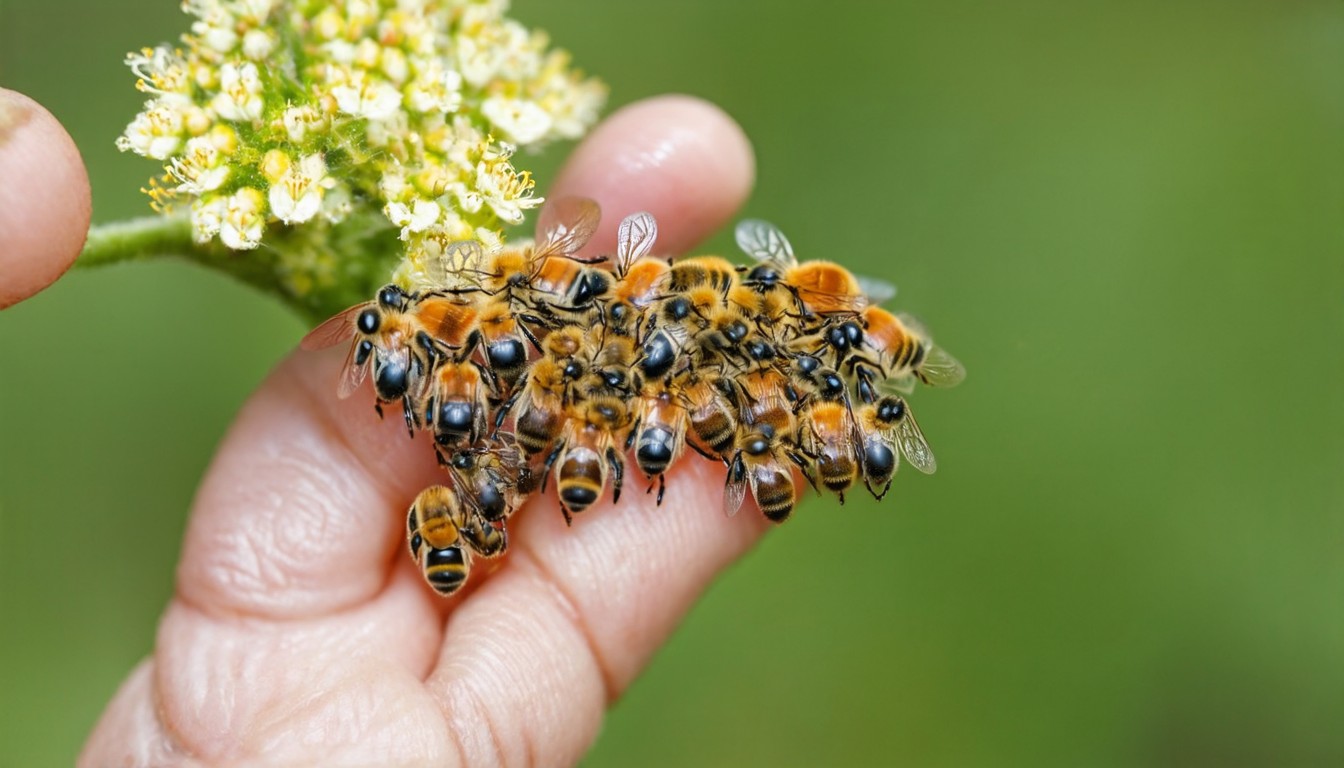
Rent Mason Bees has announced that it is ready to provide 3 million mason bee cocoons for the upcoming spring season, aiming to boost pollination in backyard gardens and orchards across the country. These cocoons, which contain the larvae of mason bees, are set to be distributed to homeowners and farmers eager to support local pollination efforts without the need for traditional beekeeping.
Mason bees, known for their solitary and non-aggressive nature, are a popular choice for beekeeping enthusiasts and casual gardeners alike. Unlike honeybees, mason bees do not live in hives, do not produce honey, and do not sting. This makes them ideal for those who are either allergic to bee stings or simply want to avoid the complexities of managing a hive. Additionally, mason bees do not have a hive to defend, which further reduces the risk of stings and aggression.
One of the key advantages of hosting mason bees is the ease with which they can be cared for. Unlike honeybees, which require a skilled beekeeper to monitor their health and environment, mason bees are self-sufficient. They do not need constant attention or specialized equipment, making them an excellent choice for those with limited time or resources. To host mason bees, all that is required is a simple nesting site, such as a hollow reed or a small hole in a block of wood, along with a food source like pollen or commercially available bee food.
Rent Mason Bees has made it easy for homeowners and farmers to access these beneficial insects by offering cocoons for rent. The cocoons, which contain the larvae of mason bees, are designed to be placed in the nesting sites mentioned earlier. As the larvae develop, they will emerge as adult bees ready to pollinate the surrounding plants and flowers. This approach not only supports local pollination but also encourages a deeper connection between homeowners and the natural world.
The company has seen a growing demand for mason bees in recent years, as more people recognize the importance of pollinators in maintaining healthy ecosystems. By renting mason bee cocoons, individuals can contribute to the decline in pollinator populations while also enjoying the benefits of a more vibrant and productive garden. Mason bees are particularly effective at pollinating a wide range of plants, including fruits, vegetables, and ornamental flowers, making them a valuable asset to both home gardeners and commercial orchardists.
In addition to their pollination services, mason bees also serve as a beautiful and educational addition to any garden. Their striking black and yellow coloring, combined with their gentle demeanor, make them a delight to observe as they go about their daily tasks. For many, hosting mason bees has become a rewarding hobby, allowing them to witness firsthand the positive impact these small insects have on their surroundings.
Rent Mason Bees is committed to making it easy for anyone to get started with mason bee hosting. The company offers a variety of resources, including detailed instructions and guidance, to ensure that even first-time hosts can successfully care for their bees. By renting mason bee cocoons, individuals are not only supporting pollination efforts but also contributing to a growing movement that celebrates the importance of these hardworking insects.
As spring approaches, the 3 million mason bee cocoons offered by Rent Mason Bees are poised to make a significant impact on gardens and orchards nationwide. With their ease of care and proven effectiveness as pollinators, mason bees are set to become an increasingly popular choice for those looking to enhance their outdoor spaces and support the environment. By choosing to rent mason bee cocoons, homeowners and farmers can play a crucial role in promoting biodiversity and ensuring the health of their local ecosystems.








