Renovation consultant knew a week before gov’t inspections, proxy votes ‘very common,’ Tai Po blaze inquiry hears
The construction consultant knew about government inspections one week before, a property management company employee has told a public inquiry into the deadly Wang Fuk Court fire. Lok Sin-ying, a clerk of ISS EastPoint Properties, which managed the housing estate in Tai Po, said on Wednesday that she got the impression from meetings hosted by […]
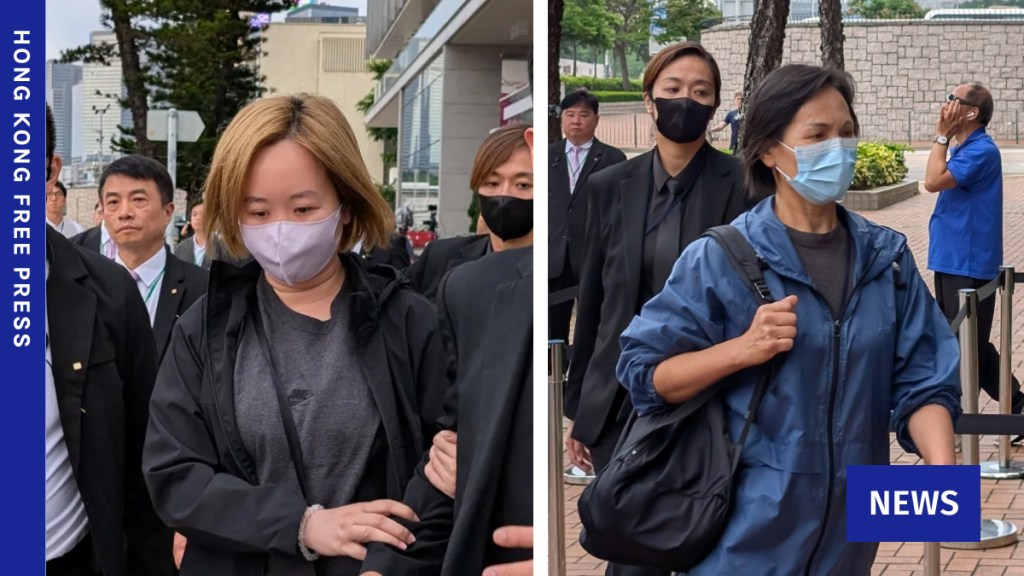
A public inquiry into the devastating Wang Fuk Court fire in Tai Po has revealed that the construction consultant involved in the estate's renovation was aware of government inspections a week in advance. Lok Sin-ying, a clerk at ISS EastPoint Properties, which managed the housing estate, testified that she had heard from meetings hosted by the estate owners' corporation that the renovation consultant had frequent exchanges with government staff.
During the hearing, Lok was asked by lawyer Jeffrey Tam, representing a group of Wang Fuk Court residents, how many days before the inspections the Housing Bureau's Independent Checking Unit (ICU) would typically inform Will Power Architects, the consultant overseeing the estate's renovation. Lok recalled that in meetings related to the renovation project, people from Will Power mentioned multiple times, "Next week, Amanda will come to our estate." She believed Amanda Lau was a government official.
The fire, which occurred in late November, engulfed seven of the estate's buildings, resulting in the tragic loss of 168 lives. On the first day of the hearing, Senior Counsel Victor Dawes, the lead lawyer for the independent committee, stated that the ICU had disclosed advanced details of safety checks to Will Power, which allegedly alerted Prestige Construction, the main contractor. Dawes also noted that according to WhatsApp records dated October 27—a month before the fire—ICU maintenance surveyor Amanda Lau texted Will Power employee Yeung Chi-man to arrange an inspection.
The inquiry is examining the circumstances surrounding the fire and the role of various parties involved in the estate's renovation. Survivors and their families have called for accountability, recalling futile attempts to whistle-blow about potential safety issues before the tragedy. The government has been criticized for its perceived responsibility in the matter, with some arguing that it should bear the greatest burden.
The revelation that the consultant was aware of the inspections in advance raises questions about communication between government agencies and private contractors. It also highlights potential conflicts of interest and the need for transparency in the construction industry. The inquiry is expected to continue as it delves deeper into the complex web of relationships and decisions that led to the Wang Fuk Court fire.
As the hearing progresses, the public is left to grapple with the harrowing details of the disaster and the systemic issues that may have contributed to it. The testimonies of witnesses like Lok Sin-ying are providing crucial insights into the events leading up to the fire, while survivors' accounts offer a poignant reminder of the human cost of negligence. The inquiry's findings will likely have significant implications for the future of construction safety and oversight in the region.
In the aftermath of the tragedy, the community is seeking answers and justice. The inquiry's revelations about the consultant's advance knowledge of inspections and the alleged leaking of sensitive information to contractors have fueled public outrage and called into question the integrity of the construction process. As the investigation continues, it remains to be seen whether those responsible for the safety of the estate's residents will face consequences.
The Wang Fuk Court fire remains one of the deadliest disasters in recent Hong Kong history. The inquiry is a vital step towards understanding the events that led to the tragedy and identifying any systemic failures that may have contributed to it. The testimonies of those directly involved, such as Lok Sin-ying, are providing valuable evidence that could help uncover the truth and hold those accountable for their actions.
As the public listens to the harrowing details of the fire and the allegations of miscommunication between government agencies and private contractors, it becomes clear that the inquiry is not just about the past—it is also about the future. The findings will shape policies and practices in the construction industry, aiming to prevent similar tragedies from occurring again. The Wang Fuk Court fire serves as a stark reminder of the importance of vigilance, transparency, and accountability in ensuring the safety of all residents.
In conclusion, the public inquiry into the Wang Fuk Court fire has uncovered significant concerns about the relationship between government agencies and private contractors. The revelation that the construction consultant was aware of inspections in advance and the allegations of leaked information have raised serious questions about the integrity of the construction process. As the investigation continues, the public is left to ponder the systemic issues that may have contributed to the tragedy and the need for transparency and accountability in the industry. The inquiry's findings will undoubtedly have a lasting impact on construction safety and oversight, serving as a solemn reminder of the human cost of negligence.