
Release from ICE detention brings relief and lingering trauma for wife of Army reservist
After four months and three court hearings, the wife of a U.S. Army Reserve Black Hawk pilot was released earlier this week from an ICE detention facility in Houston.
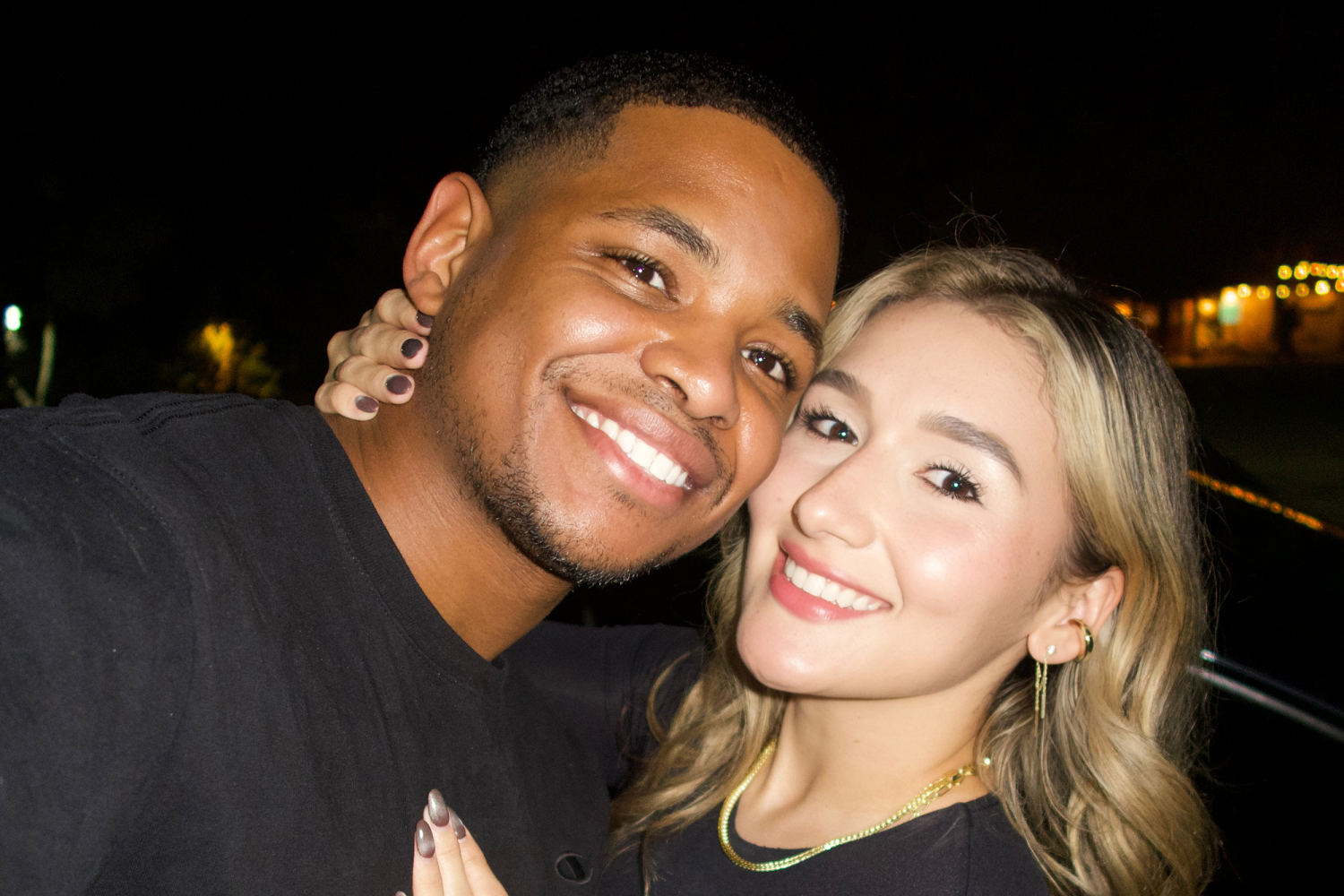
For four long months, Stephanie Kenny Velasquez endured the harsh realities of an ICE detention facility in Houston, separated from her husband, Chris Busby, a U.S. Army Reserve Black Hawk pilot. Her ordeal, which began in January, ended earlier this week with her release after three court hearings. The journey to freedom, however, has not erased the lingering trauma, and the couple is now grappling with the emotional aftermath of their separation.
Stephanie, a 32-year-old native of Texas, was detained by ICE in January after her husband, Chris, returned from a deployment in Iraq. The couple had been living in Texas, where Chris was stationed with the 1st Battalion of the 187th Infantry Regiment, part of the 36th Infantry Division. Their lives took an unexpected turn when Stephanie, who holds dual U.S. and Mexican citizenship, was arrested during a routine check at a gas station. She was accused of being an undocumented immigrant, a claim she vehemently denied.
Chris, who had just returned from a deployment, was shocked by the news. He immediately reached out to legal aid organizations and began working tirelessly to secure his wife's release. The couple's story quickly gained attention from local advocacy groups and human rights organizations, which stepped in to support their case.
The first court hearing took place in February, but Stephanie was denied bond. The judge ruled that her status as a dual citizen did not exempt her from ICE's detention practices. The couple's legal team appealed the decision, arguing that Stephanie's U.S. citizenship should have been recognized and respected.
The second hearing, held in March, also resulted in Stephanie being denied release. The legal team continued to argue her case, highlighting the fact that Stephanie had been born and raised in the United States. They also pointed out that her Mexican citizenship was a result of her parents' heritage, not her own choice.
Despite the setbacks, Chris and Stephanie's supporters did not waver in their efforts. They organized protests outside the ICE facility, demanding Stephanie's release and drawing attention to the plight of other detainees. Local media outlets picked up the story, and the couple's ordeal became a focal point for discussions about immigration policies and the treatment of dual citizens.
The third and final hearing took place in April. This time, the judge ruled in Stephanie's favor, acknowledging her U.S. citizenship and ordering her release from detention. The decision was a significant victory for the couple and their supporters, who had been advocating for Stephanie's release for months.
Upon her release, Stephanie was reunited with her husband, Chris, and the couple was overwhelmed with relief. They had grown increasingly anxious about the uncertainty of their situation, fearing that their separation might last indefinitely. The emotional reunion was a poignant moment, symbolizing the end of a harrowing chapter in their lives.
However, the trauma of her time in detention has left a lasting impact on Stephanie. She has described the experience as "dehumanizing" and "traumatizing," and has struggled to adjust to life outside the confines of the ICE facility. The couple has sought support from mental health professionals, as they work to heal from the emotional scars of their ordeal.
The Busby-Kenny Velasquez case has highlighted the complexities of U.S. immigration policies and the challenges faced by dual citizens. It has also underscored the importance of advocacy and legal support for those caught in the web of immigration enforcement. The couple's story serves as a reminder that the fight for justice and freedom is an ongoing battle, and that the support of communities and legal professionals can make a profound difference in the lives of those affected by these policies.
As Stephanie and Chris move forward, they remain committed to using their experience to advocate for change. They have spoken out about the need for comprehensive immigration reform and the importance of recognizing the rights of dual citizens. Their story is a testament to the resilience of the human spirit and the power of community solidarity in the face of adversity.
In the aftermath of Stephanie's release, the couple has found solace in each other's company and the support of their friends and family. They are grateful for the countless individuals who rallied behind them during their ordeal, and they remain hopeful for a future where such traumatic experiences can be avoided.
The Busby-Kenny Velasquez case is a poignant reminder of the human cost of immigration policies and the importance of empathy and understanding in shaping a more just and compassionate society. As Stephanie and Chris navigate the challenges ahead, their story serves as a beacon of hope and a call to action for those who believe in the power of unity and justice.








