
Relationship Rupture and the Limbic System: The Physiology of Abandonment and Separation
"A relationship is a physiologic process, as real and as potent as any pill or surgical procedure."
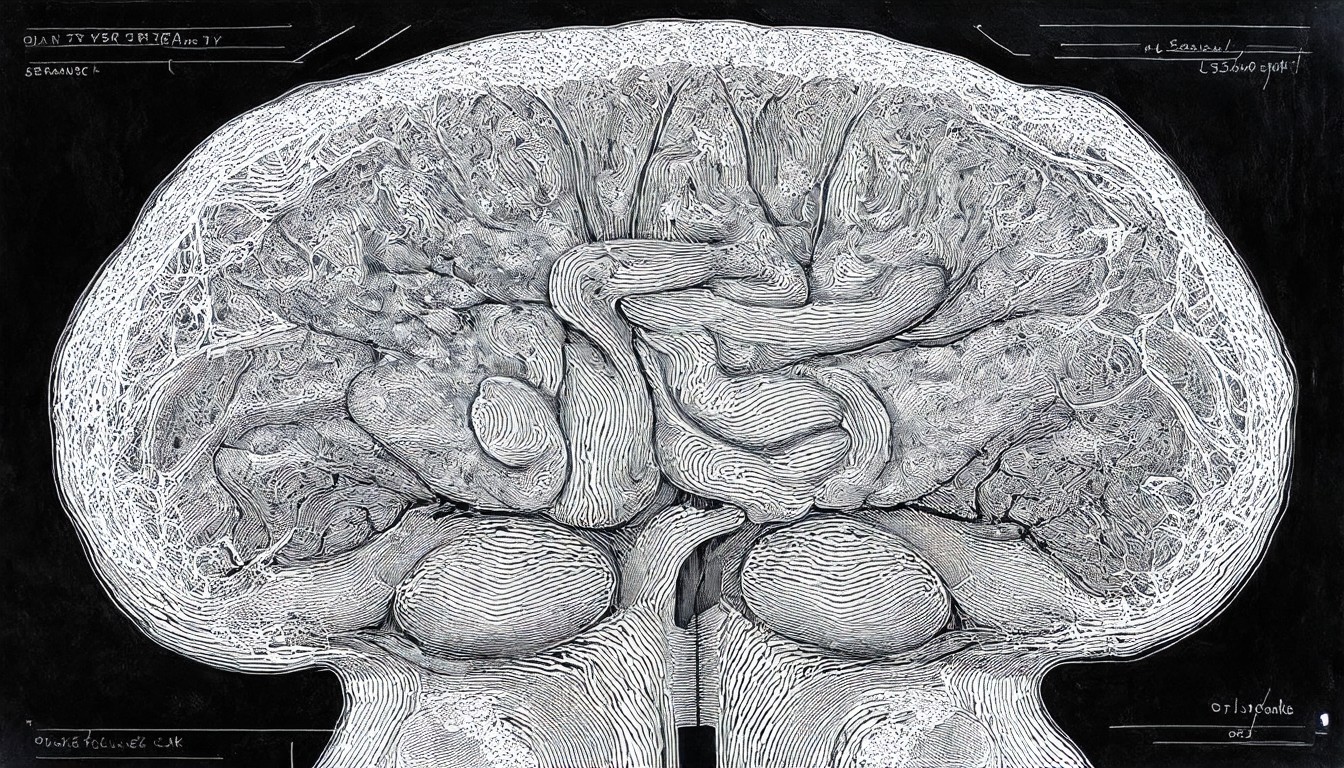
The physiology of relationships has long been an intriguing topic, with recent research revealing that the collapse of relationships can have profound effects on the body, particularly the limbic system. This system, often referred to as the brain's emotional command center, plays a crucial role in processing emotions and memories associated with attachment and separation.
Relationships are not just emotional bonds; they are physiological processes that can have a significant impact on our well-being. As Adrienne Rich once wrote, relationships are a testament to the honorable connections we form with others. However, life often tests these relationships, and when they crumble under the weight of hardship, the consequences extend far beyond the psychological realm.
The connection between relationships and the body has been explored by immunologists like Esther Sternberg, who demonstrated how relationships can influence the immune system. However, the limbic system is perhaps the most profoundly affected. Psychiatrists Thomas Lewis, Fari Amini, and Richard Lannon delve into this in their book "A General Theory of Love," where they explore the neural harmonics of emotion and how love can recompose the brain.
The disruption of relationships, particularly in the context of separation, is deeply rooted in our earliest attachments. This primal response is not unique to humans; it is a universal mammalian reaction. For instance, placing a puppy alone in a wicker pen after separating it from its mother can trigger a universal mammalian response to the rupture of an attachment bond. Short separations may provoke an acute response known as protest, while prolonged separations can lead to the physiological state of despair.
In the case of a lone puppy, the protest phase involves tireless pacing and scanning the surroundings in search of its mother. This reaction is a manifestation of the limbic system's role in processing attachment and separation. In humans, similar physiological responses can occur when relationships end. The stress hormone cortisol, for example, may spike, leading to a range of physical symptoms, including changes in heart rate, blood pressure, and immune function.
The limbic system's involvement in relationship rupture is a testament to the interconnectedness of mind and body. When relationships collapse, the emotional pain can have tangible, physical effects. This understanding highlights the importance of nurturing relationships and the need for support systems in times of separation and loss.
In conclusion, the physiology of relationships is a complex and fascinating field of study. The limbic system's role in processing attachment and separation underscores the profound impact that relationships have on our well-being. As we learn more about the body's emotional command center, it becomes clear that relationships are not just emotional bonds but physiological processes that shape our lives in profound ways.








