
Regime Change – Sometimes It Works, Often It Doesn’t
Donald Trump ran on a platform of ending wars. After his success in Venezuela, he is intoxicated by his military achievements and is banking on regime change in several countries. Read the full story, “Regime Change – Sometimes It Works, Often It Doesn’t”, on globalissues.org →
Donald Trump's campaign was built on the promise of ending wars, a stance that initially resonated with many Americans weary of prolonged military engagements. However, his presidency has seen a surprising turn, as he now appears to be increasingly enamored with the idea of regime change in various countries. This shift, fueled by his perceived success in Venezuela, has raised concerns about the efficacy and consequences of such interventions.
Trump's approach to regime change in Venezuela has been marked by a mix of diplomatic pressure, economic sanctions, and covert operations. While some argue that these efforts have contributed to the destabilization of the Maduro government, others contend that they have exacerbated the humanitarian crisis and deepened political divisions within the country. The situation in Venezuela serves as a microcosm of the broader debate surrounding the effectiveness of regime change as a foreign policy tool.
Historically, regime change has been a contentious strategy employed by nations, particularly the United States, to achieve political or strategic objectives. The Cold War era saw numerous instances, such as the overthrow of Iranian Prime Minister Mohammad Mossadegh in 1953 and the coup against Chilean President Salvador Allende in 1973. While these interventions sometimes achieved short-term goals, they often led to unintended consequences, including prolonged instability, regional tensions, and humanitarian crises.
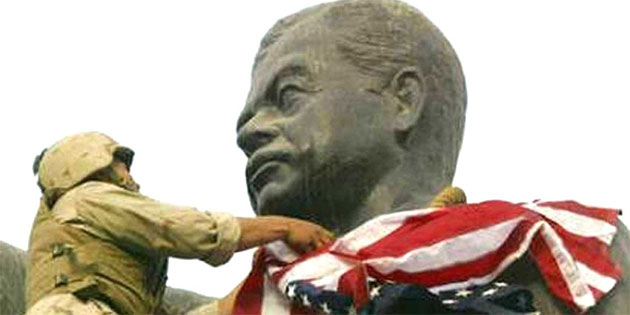
In more recent times, the U.S. invasion of Iraq in 2003 aimed to remove Saddam Hussein from power, but the aftermath was marked by years of violence, sectarian strife, and the rise of groups like ISIS. Similarly, the 2011 intervention in Libya, intended to protect civilians from Gaddafi's forces, devolved into a protracted conflict that left the country in shambles. These examples underscore the complexities and risks associated with regime change.
Despite these challenges, proponents of regime change argue that it can be a necessary evil in cases where a repressive regime poses an existential threat to its people or regional security. They point to the successful overthrow of the Taliban in Afghanistan in 2001, which, while not without its issues, did lead to the establishment of a government that, albeit flawed, represented a broader range of Afghans.
However, the track record of regime change remains mixed. The success of such interventions often depends on the specific context, the nature of the regime being targeted, and the ability of the intervening power to manage the transition effectively. In many cases, the absence of a clear alternative to the existing regime or a lack of regional cooperation can undermine efforts to establish a stable, democratic government.
Trump's enthusiasm for regime change in several countries raises questions about the potential consequences of such actions. As he looks to expand his military-focused foreign policy beyond Venezuela, the international community must carefully consider the risks and benefits of each intervention. The history of regime change provides a cautionary tale, highlighting the need for a nuanced and context-sensitive approach to foreign policy.
Ultimately, the success of regime change hinges on a delicate balance between achieving political objectives and minimizing unintended harm. While it may offer a tempting solution to certain crises, the complexities of global politics and the unpredictability of societal transitions make it a strategy fraught with peril. As nations grapple with the challenges posed by authoritarian regimes, the lessons of history serve as a reminder that regime change must be pursued with caution and a clear understanding of its potential repercussions.









