Red carpet for Laura Loomer, deportation for critics: A tale of two Indias
Earlier this month, India witnessed a striking contrast in how it treats those who enter its borders. While several academics, writers and critics of the government have, in recent years,... The post Red carpet for Laura Loomer, deportation for critics: A tale of two Indias appeared first on Alt News .
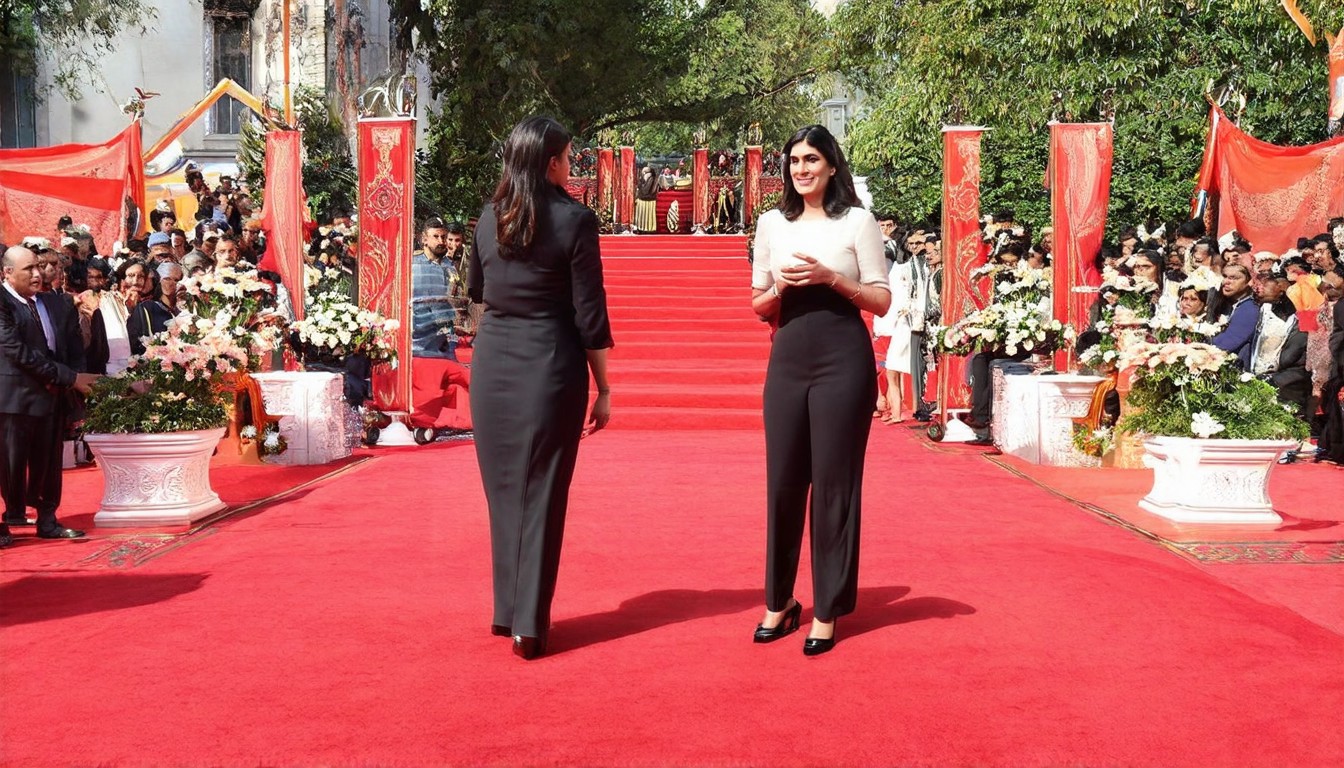
Earlier this month, India witnessed a striking contrast in how it treats those who enter its borders. While several academics, writers, and critics of the government have, in recent years, been denied entry or deported despite holding valid visas, a controversial and openly Islamophobic figure—American commentator Laura Loomer—was not only allowed into the country but given a prominent platform at a flagship media event. Her appearance at the India Today Conclave 2026, held on March 13–14, has continued to draw scrutiny, not just for what was said on stage, but for what it reveals about the broader ecosystem: who is welcomed, who is heard, and who is turned away.
Despite widespread backlash over her past remarks on Indians and Muslims, Loomer was invited to speak at the conclave and was given considerable space to present her views. During a session on March 14, she was questioned by senior journalist Rajdeep Sardesai, who directly confronted her record. “You should do more than just express regret… you are brazenly racist and Islamophobic,” Sardesai said, adding that her remarks reflected “anti-Indianism” and had no place in today’s world. “Your remarks are brazenly racist and Islamaphopic,” Sardesai declared, highlighting Loomer’s comments on Kamala Harris, Indians, and immigrants.
Loomer, however, chose to bypass the “anti-Indian” charge and instead zeroed in on the label of Islamophobia. “I believe Islamophobia is a hoax,” she said, framing her views as a “survival instinct” against what she described as a hostile culture. She went further, claiming that she had come to India to warn people about an “imminent Islamic takeover,” adding, “It is perfectly normal to be fearful of Islam.” Even as Sardesai attempted to challenge her, Loomer doubled down on her rhetoric, asserting that her comments were rooted in freedom of speech and her right to express her opinions.
This incident has sparked a wider debate about the role of free speech in India and the implications of inviting controversial figures to prominent events. Critics argue that allowing Loomer to speak at the India Today Conclave sends a troubling message about the country’s commitment to inclusivity and its willingness to engage with hate speech. They point out that while the Indian government has been known to deport or deny entry to critics and dissenters, it is also granting a platform to those who promote divisive and prejudiced views.
On the other hand, proponents of free speech argue that the Indian government should not be responsible for the views expressed at private events like the India Today Conclave. They contend that the responsibility lies with the organizers and the speakers themselves. However, this line of reasoning overlooks the potential influence such events can have on public opinion and the broader discourse in the country.
The contrast between the treatment of Loomer and other critics of the government is particularly striking. In recent years, several academics and writers have faced deportation or denial of entry visas, often under the guise of national security concerns. These actions have been widely criticized as a means of silencing dissent and stifling free expression. Meanwhile, Loomer’s invitation to the conclave has been seen as an endorsement of her views, despite their clear contradiction with the principles of equality and tolerance that India often touts.
The India Today Conclave incident has also raised questions about the role of Indian media in shaping public opinion. The fact that Loomer was given a platform at such a prominent event raises concerns about the media’s responsibility to vet speakers and ensure that they align with the values of inclusivity and respect. Critics argue that by inviting Loomer, the organizers have undermined the credibility of the event and contributed to the spread of hate speech.
In the aftermath of the conclave, there have been calls for greater accountability from both the government and the media. Some have suggested that the government should introduce stricter regulations on the entry of individuals known for promoting hate speech or inciting violence. Others have argued that the media should be more vigilant in its selection of speakers and ensure that they promote positive and inclusive narratives.
Ultimately, the story of Laura Loomer and the deportation of critics of the government highlights a deeper issue in India: the tension between free speech and the promotion of hate speech. While the right to express one’s views is fundamental, it must not come at the cost of inciting division and prejudice. The Indian government and its citizens must grapple with this complex issue and find a balance that upholds the principles of democracy and equality.
As the debate continues, it is clear that the treatment of individuals like Loomer and critics of the government will continue to shape India’s image on the global stage. The question remains: will India choose to welcome all voices, regardless of their content, or will it prioritize the values of tolerance and inclusivity in its approach to free speech? Only time will tell how India navigates this challenging landscape.