Rechargeable liquid solar battery stores sunlight in molecules
A new bio-inspired material has a record-breaking energy density and outperforms lithium-ion batteries The post Rechargeable liquid solar battery stores sunlight in molecules appeared first on Physics World .
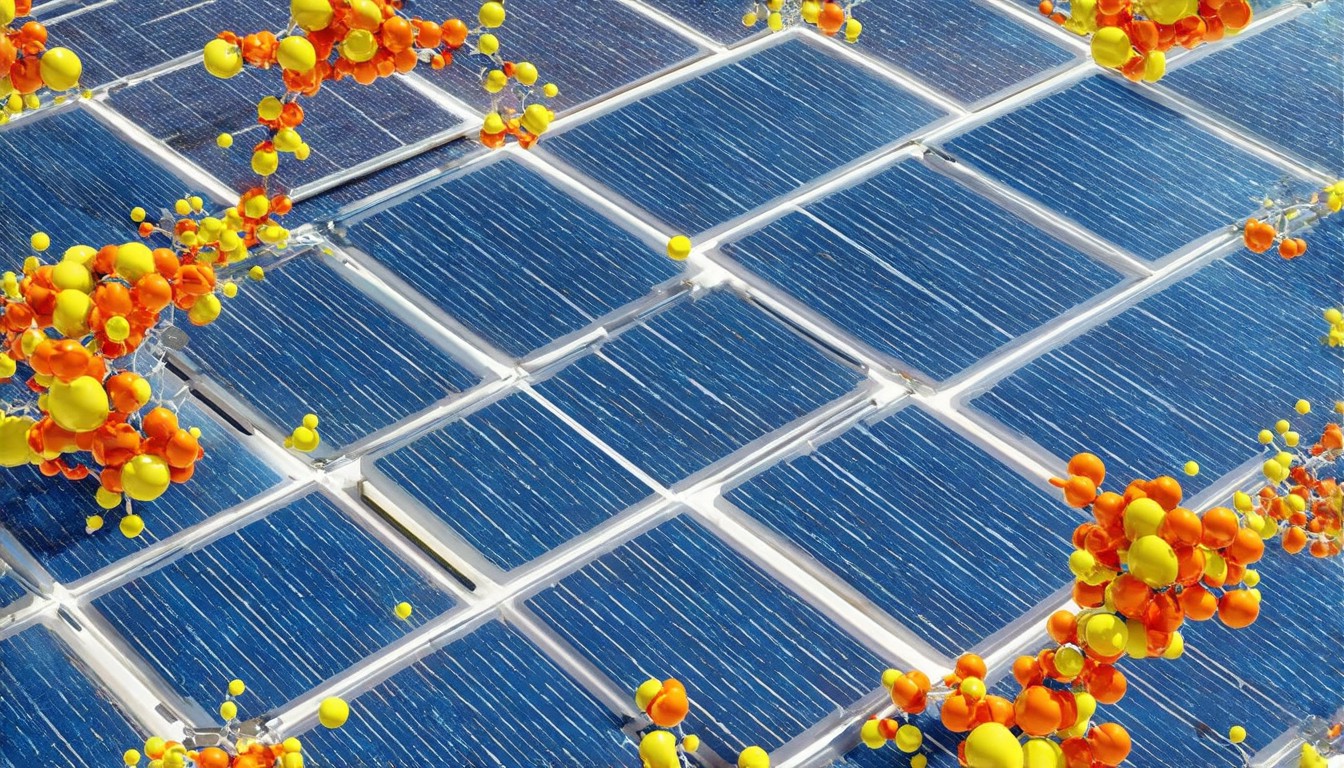
In a breakthrough for renewable energy storage, a team of researchers from the University of California, Santa Barbara, and the University of California, Los Angeles, has developed a bio-inspired molecule capable of storing sunlight in its chemical bonds. This new material, a pyrimidone-based molecule, has achieved a record-breaking energy density, outperforming even lithium-ion batteries.
The challenge of storing renewable energy, such as that generated by sunlight, has long been a significant hurdle for sustainable energy systems. Researchers have been exploring molecular solar thermal (MOST) energy storage systems, which capture photon energy and release it when needed. The new pyrimidone-based molecule, inspired by the structure of DNA components, has been engineered to store a vast amount of energy in its strained chemical bonds.
The molecule's structure resembles that of a component found in DNA, which can form "Dewar lesions" when exposed to ultraviolet light. These lesions contain significant ring strain, a feature that caught the attention of the researchers. Grace Han's lab at UCSB and Kendall Houk's lab at UCLA worked together to create a synthetic version of this strained structure, the Dewar isomer of pyrimidone. They designed the molecule to be highly strained by combining a de-aromatization strategy with a compounded strain effect from fusing two already strained rings within the molecule.
The result is a molecule that can store a large amount of energy, reaching 228 kJ/mol. This translates to a gravimetric energy density of 1.6 MJ/kg, a value that is at least 1.6 times higher than previous MOST energy storage systems and nearly double the energy density of a standard lithium-ion battery, which is approximately 0.9 MJ/kg. The researchers describe the system as a mechanical spring, twisting into a strained, high-energy shape when hit with sunlight. It remains locked in this shape until a trigger, such as a specific chemical reaction, causes it to release the stored energy.
This new bio-inspired molecule represents a significant advancement in the field of energy storage. Its ability to store sunlight in chemical bonds offers a promising solution to the challenge of harnessing renewable energy sources, enabling the use of solar power even when sunlight is not available. The high energy density of the pyrimidone-based molecule also makes it a competitive alternative to traditional lithium-ion batteries, potentially revolutionizing the way we store and utilize energy.
The development of this innovative material highlights the potential of bio-inspired design in creating advanced technologies. By studying natural systems and mimicking their structures and processes, researchers can unlock new possibilities for energy storage and other applications. The pyrimidone-based molecule not only demonstrates the potential of MOST energy storage systems but also sets a new benchmark for energy density in this field.
As the demand for sustainable energy continues to grow, the ability to store renewable energy efficiently is more critical than ever. This breakthrough in molecular solar thermal energy storage offers a promising path forward, providing a high-performance alternative to existing battery technologies. The potential applications of this new material are vast, ranging from powering electric vehicles and grid storage systems to enabling remote and off-grid renewable energy systems.
In conclusion, the discovery of a bio-inspired pyrimidone-based molecule with a record-breaking energy density marks a significant milestone in the development of renewable energy storage. This innovative material, capable of storing sunlight in its chemical bonds, has the potential to transform the way we store and utilize energy, offering a sustainable and efficient solution to the global energy challenge.