Real wages in Europe near pre-pandemic levels, but Iran crisis clouds outlook
The post-pandemic surge in inflation across Europe reduced the purchasing power of advertised wages in major economies. In some countries, wages have now caught up, but in others they still lag behind.
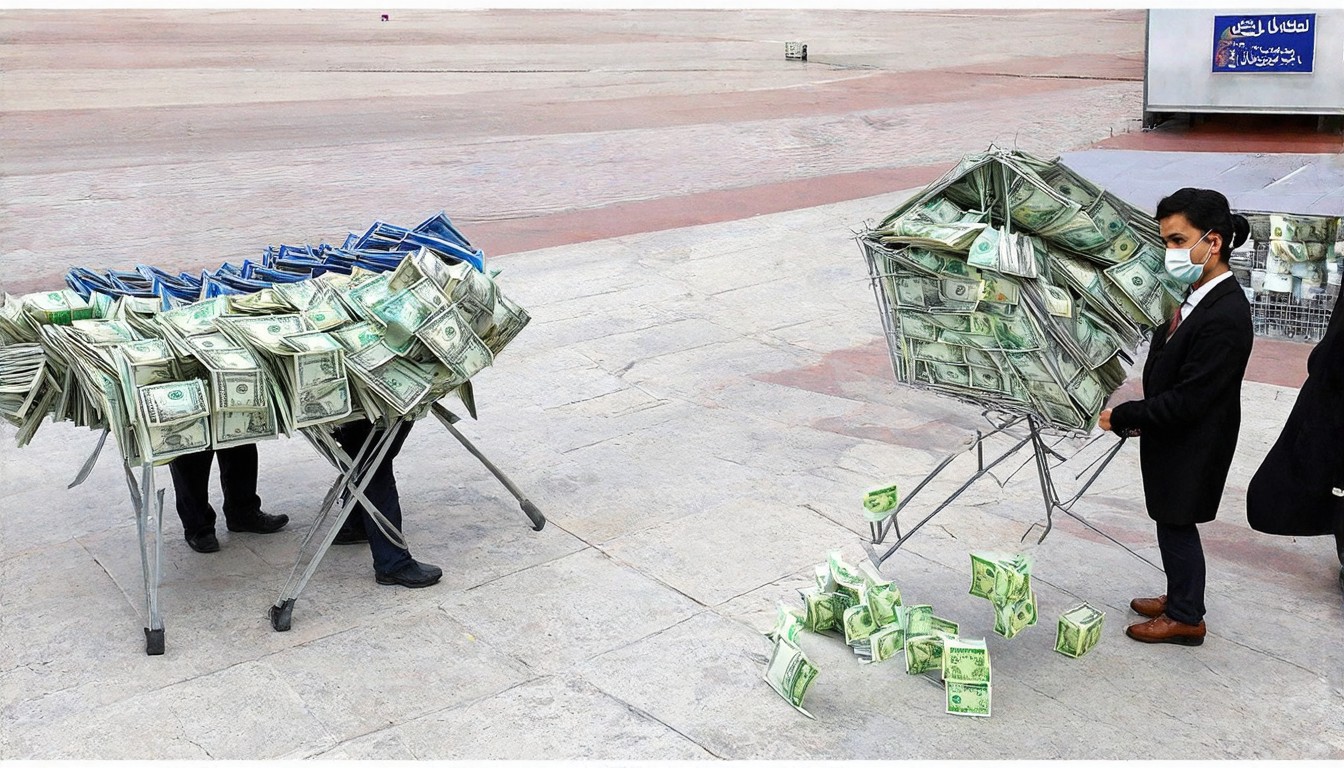
In recent months, Europe has seen a gradual recovery in real wages, with many countries nearing pre-pandemic levels. However, the ongoing Iran crisis has cast a shadow over the economic outlook, as inflation continues to pose challenges for workers and businesses alike.
The post-pandemic period brought significant inflationary pressures across Europe, which initially eroded the purchasing power of advertised wages. As economies reopened and demand surged, supply chain disruptions and increased energy costs contributed to soaring prices. This inflationary spiral meant that even though nominal wages were rising, the real value of earnings was not keeping pace.
Despite these challenges, some European countries have managed to mitigate the impact of inflation on wages. For instance, in Germany, real wages have nearly returned to pre-pandemic levels, thanks in part to strong labor market performance and wage agreements. Similarly, in the Netherlands, the government's wage policy and robust economic growth have helped stabilize real wages.
However, not all European nations have been as fortunate. In countries like Greece and Portugal, real wages remain below pre-pandemic levels, reflecting persistent economic vulnerabilities and higher unemployment rates. The inflationary pressures have been particularly acute in these regions, exacerbating the challenges faced by workers and businesses.
The Iran crisis has further complicated the economic landscape in Europe. Tensions in the region have led to increased oil prices, which in turn have contributed to higher energy costs and inflation. This development has raised concerns about the sustainability of the wage recovery, as many workers may struggle to keep up with rising prices.
Economists are closely monitoring the situation, warning that the Iran crisis could prolong inflationary pressures and delay the full recovery of real wages in some European countries. Policymakers are facing a delicate balance, as they must navigate the complex interplay between economic growth, inflation control, and geopolitical tensions.
In the face of these challenges, workers' organizations and policymakers are advocating for stronger wage agreements and protections. Many argue that governments must take proactive steps to ensure that wage growth keeps pace with inflation, particularly in vulnerable sectors and regions.
As Europe continues to grapple with the Iran crisis and its economic repercussions, the path to a sustainable recovery in real wages remains uncertain. While some countries have shown resilience, others are still grappling with the lingering effects of the pandemic and inflation. The ability of European economies to adapt and respond to these challenges will be crucial in determining the trajectory of real wages in the coming months and years.