
Raspberry Pi leans into semiconductors as sales climb – especially in US and China
Chip shipments overtake boards and modules as industrial demand grows, raising questions about hobbyist roots Raspberry Pi has reported impressive revenue and profit growth, but its hobbyist origins risk taking a backseat amid soaring semiconductor shipments.…
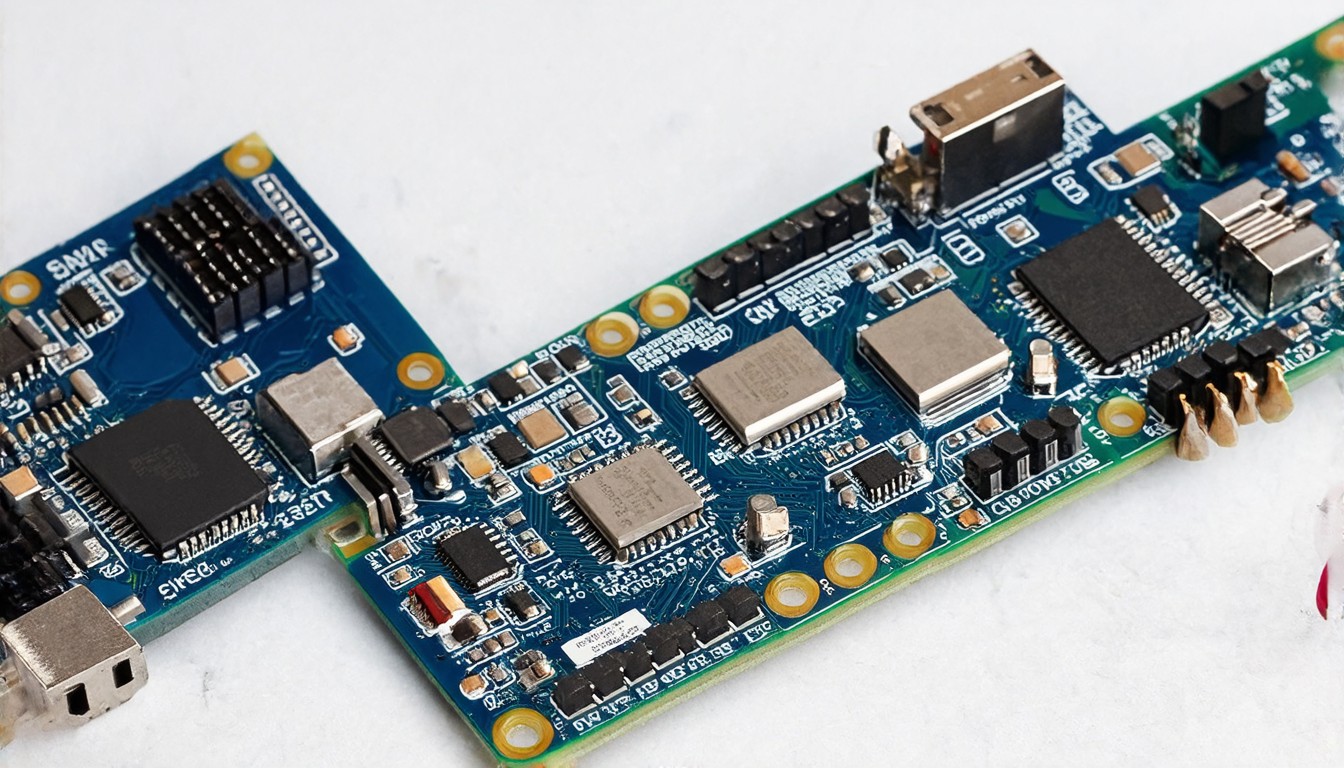
Raspberry Pi, the small, affordable single-board computer that began as a tool for teaching computer science, has seen its sales surge recently, particularly in the United States and China. This growth is driven by a shift in focus from the company's traditional sales of boards and modules to semiconductor shipments. As industrial demand for Raspberry Pi's chips grows, questions are being raised about the company's hobbyist roots and how this new direction might impact its future.
Raspberry Pi Foundation, the organization behind the Raspberry Pi, has reported significant revenue and profit growth in recent years. This success is largely attributed to the increasing demand for the company's semiconductor products, which are now outselling the boards and modules that made the Raspberry Pi famous. The shift in focus reflects the broader trend of the tech industry moving towards more specialized hardware components, as companies seek to optimize their operations and reduce costs.
The surge in semiconductor shipments has been particularly notable in the United States and China, where industrial applications of the Raspberry Pi have gained traction. These markets are driving the growth, with businesses adopting the Raspberry Pi's chips for a variety of purposes, from edge computing to industrial automation. This expansion into new markets has allowed Raspberry Pi to diversify its customer base and tap into opportunities beyond the hobbyist and educational sectors that initially fueled its success.
However, this shift in focus has raised questions about the company's legacy and its commitment to its hobbyist roots. Raspberry Pi was conceived as an affordable tool to inspire a new generation of coders and makers, and many in the community have grown accustomed to the company's emphasis on accessibility and education. As the company's sales are now dominated by semiconductor shipments, some worry that its mission might be overshadowed by the demands of industrial clients.
Despite these concerns, Raspberry Pi has maintained its commitment to its educational and hobbyist roots. The company has continued to invest in its educational programs and has even expanded its offerings to include new products designed for makers and hobbyists. Additionally, Raspberry Pi's success in the semiconductor market has provided the company with the resources to innovate and explore new opportunities, which could ultimately benefit its hobbyist community as well.
The growth in semiconductor shipments also highlights the broader impact of Raspberry Pi on the technology industry. By making advanced hardware accessible to a wide range of users, Raspberry Pi has helped to democratize computing and spurred innovation across various fields. This legacy is a testament to the company's foundational mission, and it remains to be seen how the company will balance its industrial ambitions with its educational values in the years to come.
In conclusion, Raspberry Pi's sales growth, particularly in the United States and China, is driven by a surge in demand for its semiconductor products. While this shift raises questions about the company's hobbyist roots, Raspberry Pi has demonstrated a commitment to its educational mission. The company's success in the semiconductor market not only highlights its innovative spirit but also underscores its enduring impact on the technology industry and its ability to adapt to changing market needs. As Raspberry Pi continues to evolve, it will be interesting to see how it balances its industrial ambitions with its legacy of fostering learning and creativity.








