
Putin’s plan to dethrone the dollar
He hopes this week’s BRICS summit will spark a sanctions-busting big bang
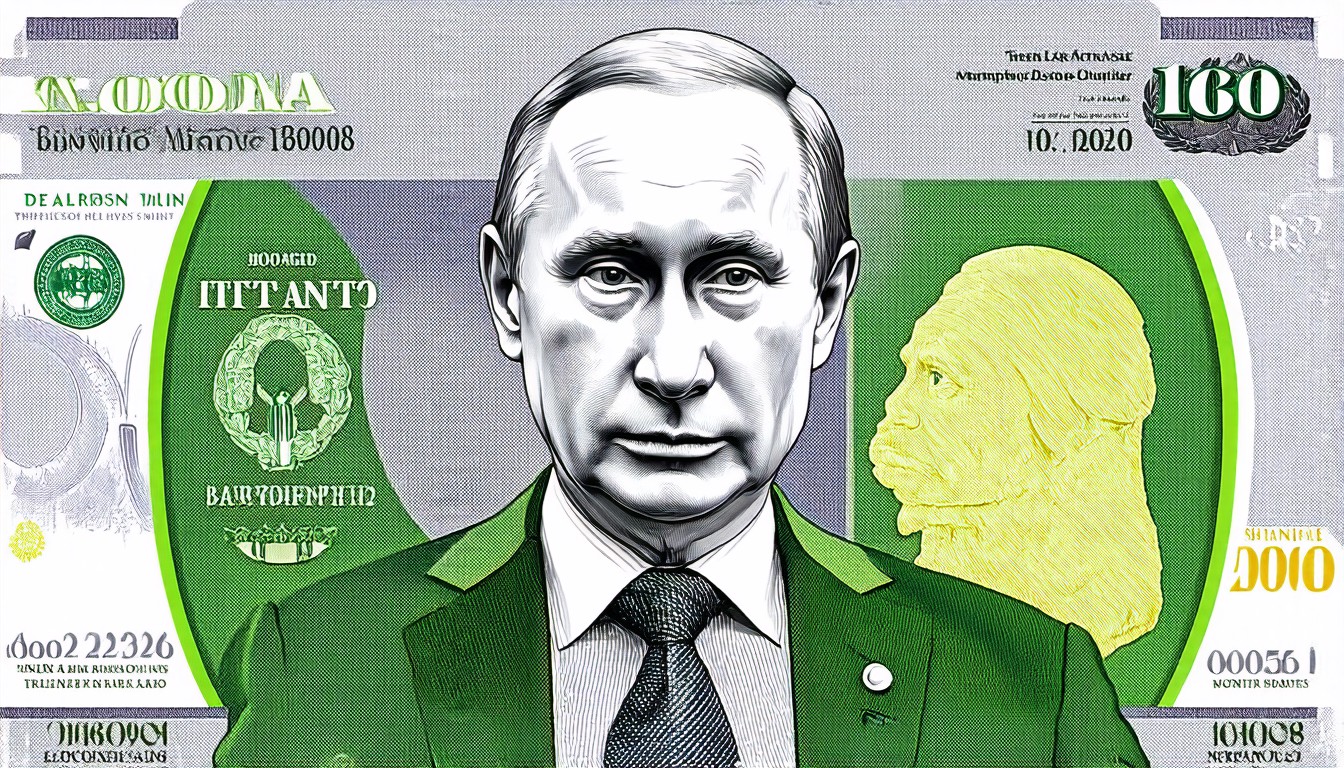
Russian President Vladimir Putin is expected to push for a major shift in the global financial system during this week's BRICS summit in South Africa. The summit, which will bring together leaders from Brazil, Russia, India, China, and South Africa, is seen as a critical opportunity for Putin to advance his vision of dethroning the US dollar as the world's dominant currency.
Putin's plan, which has been brewing for years, aims to create a new financial order that would reduce reliance on the dollar, particularly in trade and investments. The motivation behind this initiative is rooted in Russia's desire to circumvent the crippling economic sanctions imposed by Western countries following the annexation of Crimea in 2014 and its involvement in the conflict in Ukraine. By shifting away from the dollar, Russia hopes to weaken the impact of these sanctions and secure greater economic independence.
The BRICS nations, which together account for a significant portion of the global population and economic output, are seen as key allies in Putin's quest to challenge the dollar's dominance. Over the past few years, these countries have been exploring alternative payment systems and currencies to bypass US-controlled financial networks. For instance, the establishment of the New Development Bank by BRICS in 2014 was seen as a direct challenge to the World Bank and the International Monetary Fund, both of which are heavily influenced by Western powers.
This week's summit is expected to accelerate these efforts. Putin is likely to propose the creation of a unified currency or a basket of currencies that would serve as an alternative to the dollar in international transactions. Such a move would not only reduce the influence of the US dollar but also empower the BRICS nations by giving them greater control over their economic destinies.
However, the success of Putin's plan hinges on the willingness of the BRICS nations to unite behind a common financial vision. While China, Russia, and India have shown interest in diversifying from the dollar, Brazil and South Africa have been more cautious, particularly due to their significant exposure to Western markets. Putin will need to convince these countries that the benefits of a unified financial bloc outweigh the risks associated with alienating Western financial institutions.
Another challenge lies in the technical and logistical aspects of transitioning away from the dollar. The US dollar is deeply entrenched in global trade, with many commodities priced in US dollars. A sudden shift to a new currency or basket of currencies would require extensive negotiations and adjustments, which could disrupt global trade flows and cause economic instability.
Despite these challenges, Putin is optimistic that the BRICS summit will mark a turning point in the global financial system. He hopes that the summit will lead to a "sanctions-busting big bang," where the BRICS nations collectively announce a bold move to challenge the dollar's dominance. If successful, this could reshape the global economic landscape, reducing US influence and empowering emerging economies.
In conclusion, the upcoming BRICS summit presents a pivotal moment for Putin's plan to dethrone the dollar. While the road to success is fraught with obstacles, the potential rewards—economic independence and reduced sanctions impact—make it a compelling proposition for the BRICS nations. The outcome of this summit will likely have far-reaching consequences, not only for Russia but also for the global financial system and the balance of power among nations.









