Army, Pune Police K9 Units Boost Detection Skills Jointly
In a significant move to bolster security preparedness, specialized K9 units from the Indian Army and Pune City Police recently conducted joint detection training exercises. The collaboration reportedly aimed at enhancing inter-agency coordination and refining
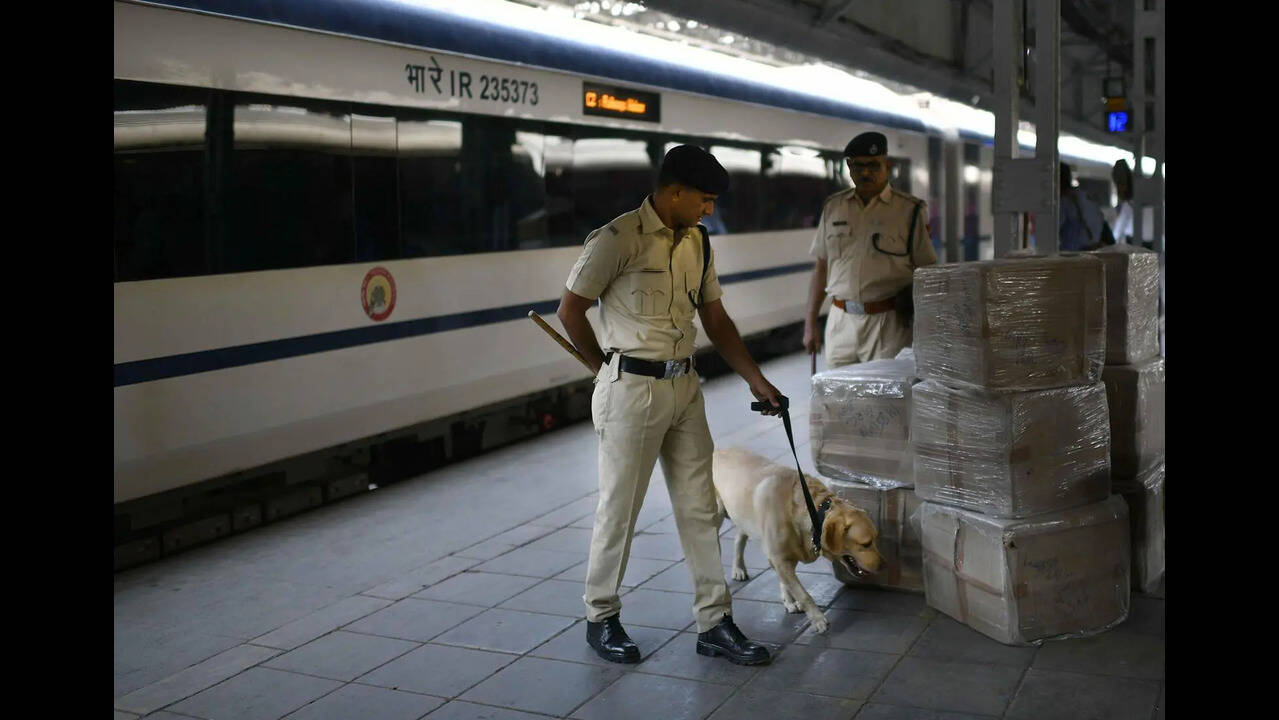
In a significant demonstration of inter-agency cooperation and a shared commitment to national security, specialized K9 units from the Indian Army and the Pune City Police recently reportedly joined forces for a series of joint detection practice exercises. This collaborative initiative, understood to have taken place in Pune, underscores the growing emphasis on integrated security strategies aimed at bolstering preparedness against a spectrum of potential threats. The partnership between these highly trained canine teams and their expert handlers is a testament to the crucial role that service dogs play in modern-day law enforcement and military operations, particularly in critical detection tasks.
The deployment of K9 units has long been recognized as an invaluable asset in both military and civilian security frameworks globally. These four-legged heroes possess an extraordinary sense of smell, far surpassing human capabilities, making them exceptionally effective in detecting a wide array of substances, including explosives, narcotics, contraband, and even human remains in search and rescue operations. Their agility, speed, and unwavering loyalty further enhance their operational utility, often allowing them to access areas or perform tasks that would be dangerous or impossible for human personnel. The rigorous training regimen these dogs undergo, coupled with the specialized skills of their handlers, transforms them into precision instruments vital for maintaining peace and order.
Such joint exercises, as reportedly conducted by the Army and Pune Police K9 units, are pivotal for fostering seamless coordination between different security agencies. In an increasingly complex security landscape, threats often transcend jurisdictional boundaries, necessitating a unified and cohesive response. By training together, the Army and police K9 teams can familiarize themselves with each other's operational protocols, communication channels, and tactical approaches. This shared understanding is critical during real-world scenarios, ensuring that responses are swift, efficient, and well-integrated, thereby minimizing potential delays or misunderstandings that could compromise an operation's success.
Beyond coordination, these collaborative drills serve as an invaluable platform for the exchange of best practices and the refinement of detection skills. Each agency, whether military or civilian police, often develops unique methodologies and training techniques based on their specific operational environments and threat assessments. When these experts come together, they can share insights, demonstrate innovative approaches, and collectively address challenges. This cross-pollination of knowledge can lead to significant improvements in detection accuracy, speed, and overall effectiveness for both participating units, ultimately enhancing their collective capability to identify and neutralize threats before they can materialize.
Pune, a major metropolitan city in Maharashtra, holds significant strategic importance as an industrial hub, an educational center, and a burgeoning IT destination. Its rapid growth and diverse population naturally present a complex security environment, requiring robust and adaptable law enforcement and security measures. The presence of military establishments in and around Pune further underscores the city's strategic relevance. Therefore, the reported collaboration between the Army and Pune Police K9 units is particularly pertinent for the region, reinforcing the security apparatus designed to protect critical infrastructure, public spaces, and the lives of its citizens from various threats, ranging from terror plots to organized crime.
It is important to acknowledge that the effectiveness of a K9 unit is not solely dependent on the dog's innate abilities but equally on the expertise, dedication, and bond shared with its handler. These handlers undergo extensive training themselves, learning to read their dog's subtle cues, manage their behavior, and direct them effectively in high-pressure situations. The joint exercises reportedly involved not just the dogs but also their handlers, allowing them to practice working in unfamiliar environments and alongside different teams. This human-canine partnership is a cornerstone of K9 operations, requiring constant reinforcement and mutual trust, which such joint drills are designed to strengthen.
The initiative in Pune reflects a broader national strategy to enhance security preparedness through inter-agency cooperation. Across India, K9 units are integral to various security operations, from guarding vital installations and patrolling sensitive areas to assisting in crime scene investigations and disaster relief efforts. Exercises like the one reportedly conducted in Pune contribute significantly to building a more resilient and unified national security framework. They demonstrate a proactive approach to threat mitigation, ensuring that India's security forces are continuously evolving and adapting to emerging challenges with the most advanced and effective tools at their disposal, including highly specialized canine teams.
Maintaining a high level of operational readiness for K9 units requires continuous training, regular drills, and periodic evaluations. The reported joint practice between the Army and Pune Police K9 units is likely part of an ongoing commitment to ensure these elite teams remain at the peak of their performance. In an era where threats can manifest in myriad forms, from sophisticated explosive devices to illicit drug trafficking networks, the ability of detection dogs to provide early warnings and precise location identification is indispensable. Such collaborations are expected to continue, fostering a culture of shared learning and collective strength among India's diverse security agencies.
In conclusion, the joint detection practice involving the Indian Army and Pune City Police K9 units stands as a powerful example of collaborative security efforts. By pooling resources, sharing expertise, and training together, these specialized teams are not only enhancing their individual capabilities but also strengthening the overall security fabric of Pune and, by extension, the nation. The silent sentinels of our security, these highly trained dogs and their dedicated handlers, continue to play a pivotal role in safeguarding our communities, embodying vigilance and unwavering service in the face of evolving challenges.