
ProPublica’s union authorizes the first U.S. newsroom strike over AI protections
On March 20, members of the ProPublica Guild, one of the largest nonprofit newsroom unions in the U.S., overwhelmingly voted to authorize a strike. Out of the roughly 150 journalists, copyeditors, videographers and other newsroom workers in the Guild, 92% of members voted to walk off the job if ProPublica doesn’t agree to their contract...
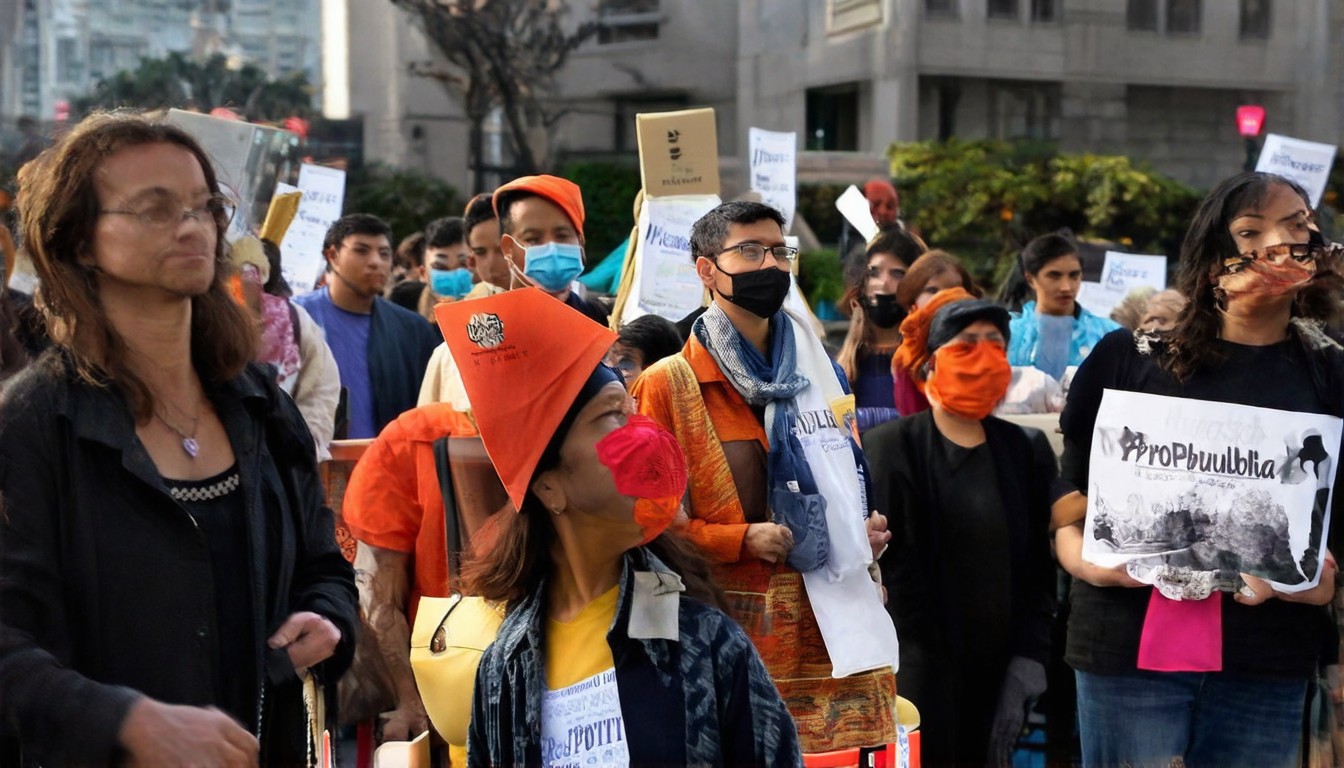
On March 20, members of the ProPublica Guild, one of the largest nonprofit newsroom unions in the U.S., overwhelmingly voted to authorize a strike. Out of the roughly 150 journalists, copyediters, videographers, and other newsroom workers in the Guild, 92% of members voted to walk off the job if ProPublica doesn’t agree to their contract terms in the coming weeks. This marks the first time a major U.S. newsroom has authorized a strike, at least in part, over AI protections.
The vote comes two and a half years into negotiations over the Guild’s first collective bargaining agreement, which started soon after the union was recognized back in August 2023. One of the sticking points at the bargaining table has been an article that would prohibit ProPublica from laying off employees due to AI adoption. Alongside the dispute over AI, the Guild is also pushing for “just cause” when firing union members, a provision that would give senior employees more job security during layoffs, and cost-of-living wage increases.
Susan DeCarava, the president of the NewsGuild of New York, confirmed that, to her knowledge, no unit of The NewsGuild-CWA has previously faced or taken a strike over AI language. “Frankly, this fight over the use of AI in the ProPublica newsroom demonstrates that it’s the workers who are the heart of this journalistic enterprise, and who will fight to preserve it,” said DeCarava. “It’s a real shame, and a head-scratcher, that ProPublica management isn’t jumping at the opportunity to reassure donors and readers that they are just as committed as we are to human-reported and produced journalism.”
In a statement to Nieman Lab, Tyson Evans, the chief product and brand officer at ProPublica, said the newsroom is approaching the question of AI responsibly. However, the union members argue that ProPublica’s current stance on AI threatens their jobs and the integrity of journalism. The strike authorization follows months of failed negotiations, with both sides struggling to reach an agreement on the role of AI in the newsroom.
The ProPublica Guild’s decision to strike highlights the growing concerns among journalists about the impact of AI on their profession. Many in the industry fear that AI could replace human journalists, leading to job losses and a decline in the quality of journalism. The union’s demand for protections against AI-driven layoffs reflects this anxiety and the need for clear guidelines on the use of AI in journalism.
The strike also underscores the importance of collective bargaining in the newsroom. For years, journalists have been pressured to accept precarious working conditions and low wages, with many outlets resisting unionization efforts. The ProPublica Guild’s success in securing a union and pushing for a collective bargaining agreement is a significant victory for workers in the industry.
As the negotiations continue, both the union and ProPublica must find a way to address the concerns surrounding AI while ensuring the sustainability of the newsroom. The strike authorization sends a clear message that the workers are determined to protect their jobs and the values of journalism. It remains to be seen whether ProPublica will prioritize its commitment to human-reported journalism or continue down a path that could lead to further labor unrest.
The ProPublica Guild’s strike could have broader implications for the journalism industry. If the union’s demands are met, it could set a precedent for other newsrooms facing similar challenges with AI. However, if the strike fails, it could embolden other outlets to lean heavily on AI, potentially accelerating the decline of traditional journalism.
In the meantime, the ProPublica newsroom faces an uncertain future. The strike authorization is a powerful tool for the union, but it also risks disrupting the newsroom’s operations and the flow of important information to the public. Both sides must work diligently to find a resolution that protects the workers and upholds the standards of journalism that ProPublica is known for.
As the negotiations continue, the eyes of the journalism community will be on ProPublica. The outcome of this labor dispute could shape the future of journalism in the age of AI and set a precedent for how newsrooms balance technological advancements with the needs of their human workforce.









