Prince Narula accused of refusing payments to rapper Hitzone
Rapper Hitzone publicly accuses television personality Prince Narula of refusing to pay for work completed over a year, sparking industry discussion on artist compensation.
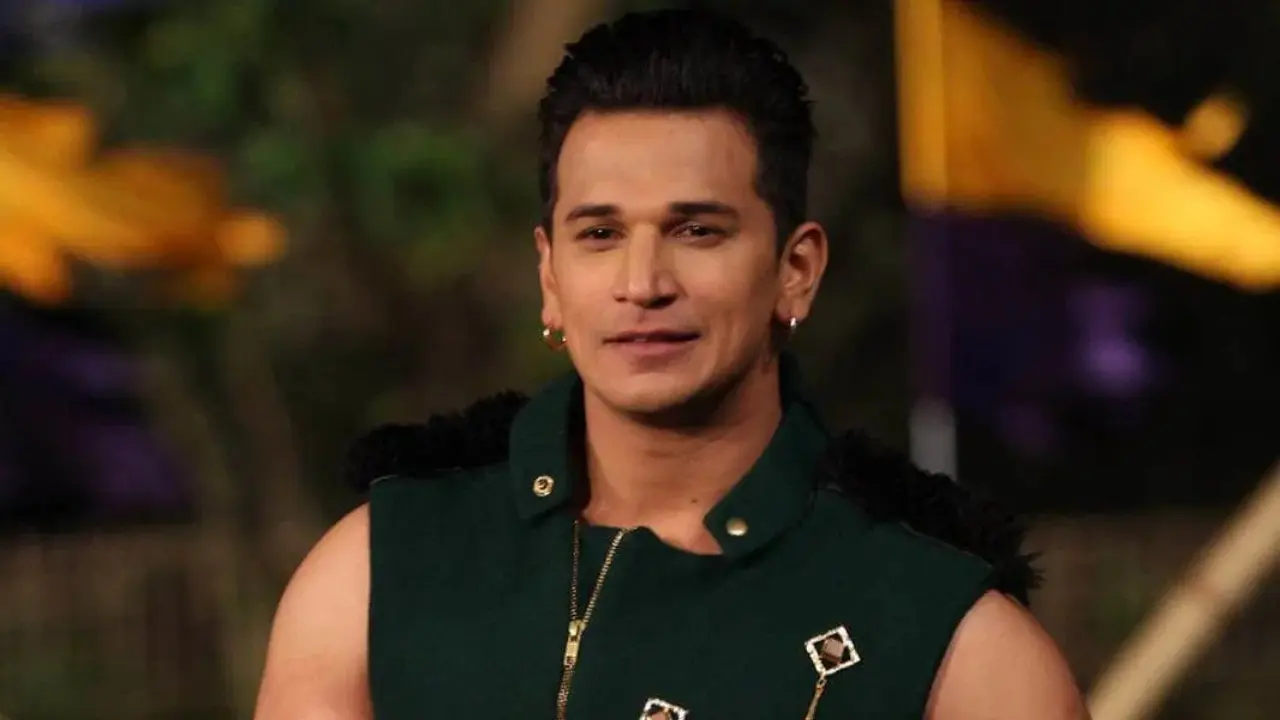
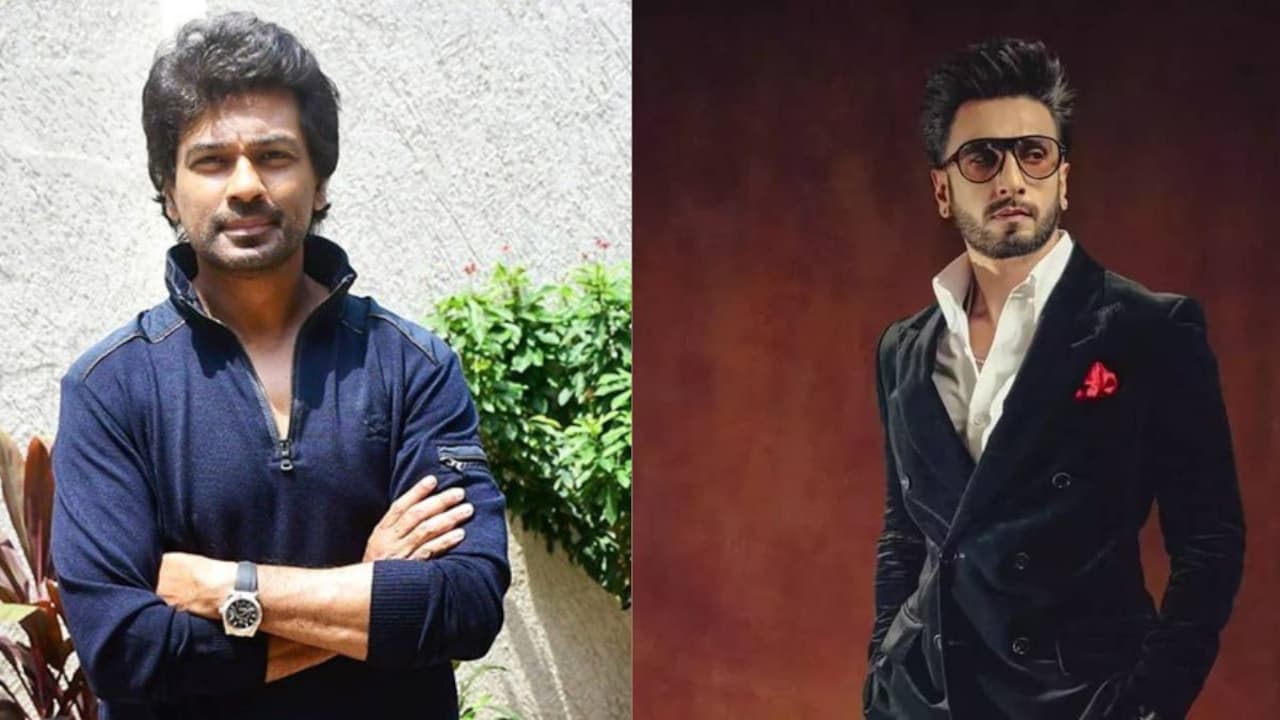
Rapper Hitzone has accused television personality Prince Narula of refusing to pay him for work completed over a period of more than a year. The allegation, made public on social media, has drawn attention to the financial dynamics between established entertainers and independent artists in India’s music and television crossover space. Hitzone, a rapper known for his work in the independent hip-hop scene, stated that he collaborated with Narula for over a year but has not received the agreed-upon payments.
The rapper did not specify the nature of the work or the amount owed, but the accusation centers on a refusal to compensate after services were rendered. Prince Narula rose to fame as a reality television contestant, winning multiple seasons of popular shows including MTV Roadies, Splitsvilla, and Bigg Boss. He later transitioned into acting and music, releasing several singles and collaborating with various artists. His public profile has made him a recognizable figure in Indian pop culture.
The entertainment industry in India has seen a growing number of independent artists and influencers working together on music projects, often without formal contracts or clear payment terms. Disputes over compensation have become more visible as social media allows artists to air grievances directly to their audiences. Hitzone’s accusation adds to a broader pattern of independent musicians speaking out about payment issues with more established collaborators. While some cases are resolved privately, others lead to public exchanges that can affect reputations and future partnerships.
Neither Prince Narula nor his representatives have issued a public response to the allegation as of the time of reporting. The lack of comment leaves the matter unresolved, with Hitzone’s claim standing as the only public account of the situation. The case points to clear agreements in creative collaborations, especially when parties come from different segments of the entertainment industry. Reality television stars and independent musicians often operate under different norms regarding contracts and payment schedules.
As the story develops, observers in the music and television industries will be watching for any response from Narula or his team. The outcome could influence how similar disputes are handled in the future, particularly among artists who rely on social media to build their careers and resolve conflicts.