Price Tracker: Oil, fuel monitor for Apr. 7
Price Tracker lists the latest Metro Manila benchmark prices and reported estimates compiled from available figures.
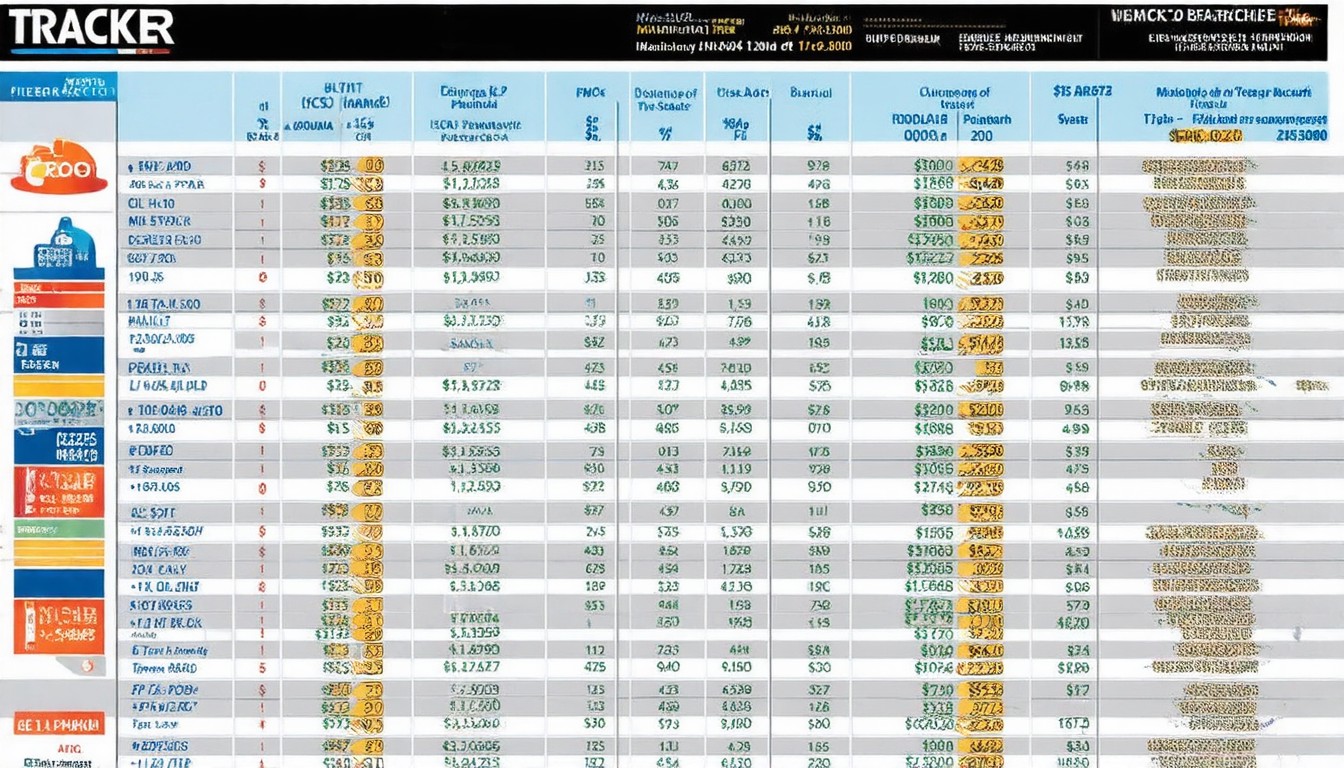
On April 7, Price Tracker released the latest updates on Metro Manila's benchmark prices, providing a comprehensive overview of the current fuel market situation. The report, which compiles data from various sources, offers insights into the fluctuating prices of oil and fuel in the region.
The Metro Manila benchmark prices for gasoline have seen a slight increase in recent weeks, driven by global market trends and local demand. According to the latest figures, the average price for regular unleaded gasoline in the area is now at PHP 59.50 per liter. This marks a modest rise of PHP 0.20 compared to the previous week. The increase is attributed to the ongoing supply chain challenges and the fluctuating value of the Philippine peso against major currencies.
Diesel prices have also experienced a similar trend, with the average cost for diesel in Metro Manila hovering around PHP 62.00 per liter. This represents a PHP 0.15 increase from the previous week. The higher price of diesel compared to gasoline is largely due to its use in commercial vehicles and industrial sectors, which continue to drive demand despite the economic downturn.
In addition to gasoline and diesel, the report also highlights the current prices of liquefied petroleum gas (LPG), a popular alternative fuel source in the Philippines. The average price for LPG in Metro Manila is now at PHP 125.00 per kilogram, showing a PHP 5.00 increase from the previous week. This surge is mainly attributed to the global shortage of LPG and the increasing demand for the fuel in both residential and commercial sectors.
Price Tracker's analysis also includes a look at the prices of aviation fuel, which is crucial for the country's aviation industry. The benchmark price for aviation fuel in Metro Manila is currently at PHP 105.00 per liter, reflecting a PHP 2.00 increase from the previous week. The rise in aviation fuel prices is closely tied to the global market, where oil prices have been on an upward trajectory due to geopolitical tensions and production constraints.
The report concludes by emphasizing the need for continued monitoring of the fuel market, as the prices of oil and fuel continue to impact various sectors of the economy. The fluctuations in prices can affect transportation costs, inflation rates, and overall consumer spending. As such, Price Tracker's data serves as an essential tool for businesses, policymakers, and consumers alike in making informed decisions about fuel consumption and energy management.
In summary, the latest Price Tracker report for April 7 highlights the recent increases in gasoline, diesel, LPG, and aviation fuel prices in Metro Manila. These changes are driven by a combination of global market dynamics, local demand, and economic factors. As the situation continues to evolve, it is crucial for all stakeholders to stay informed about the latest developments in the fuel market to navigate the challenges and opportunities that lie ahead.