Pressure mounts on UK government to ban Kanye West after festival backlash
The British government was under growing pressure on Monday to bar American rapper Kanye West from entering the country after he was named as the headline act for the Wireless Festival of rap and hip-hop music set for July. West, now known as Ye, has been criticised in the past for antisemitic remarks and celebration of Nazism, which have led on several occasions to his social media accounts, including on X, being barred. The decision to book Ye prompted several companies to pull their...
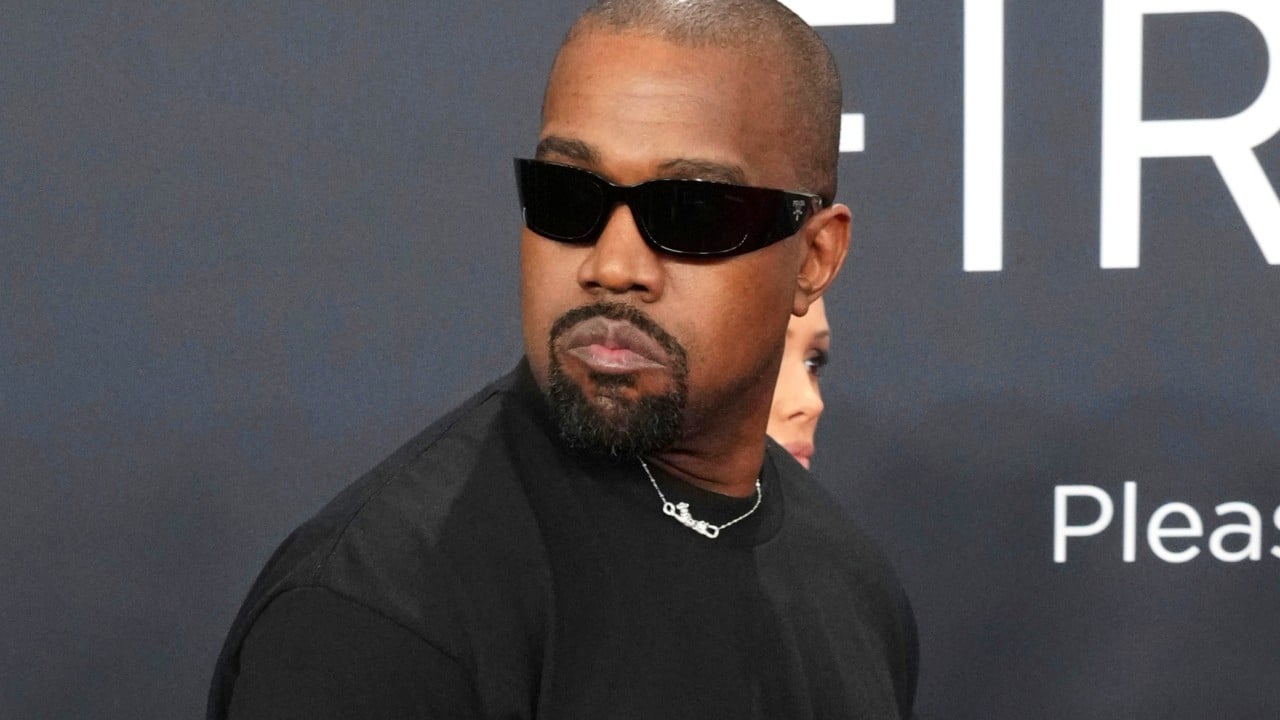
The British government is facing mounting pressure to ban American rapper Kanye West, now known as Ye, from entering the UK after he was announced as the headline act for the Wireless Festival in July. The festival, which celebrates rap and hip-hop music, has come under scrutiny following West's history of controversial statements and actions, including antisemitic remarks and the celebration of Nazism.
West's past behavior has led to several instances where his social media accounts, including those on the platform formerly known as Twitter (now X), have been suspended. These controversies have sparked debates about his suitability as a performer in the UK, with critics arguing that his presence could undermine the festival's reputation and contribute to social division.
The decision to book Ye as the main act for the Wireless Festival has prompted several companies to withdraw their sponsorships. These withdrawals highlight the growing unease among businesses about associating with West, particularly in light of his recent public statements. Some companies have expressed concerns that supporting the festival while West is performing could harm their brand image and alienate customers who disagree with his views.
Critics of West have also called on the UK government to take action, arguing that his entry into the country could pose a threat to public order and harmony. They point to his history of inflammatory comments and actions, which have occasionally led to public unrest and protests. There are fears that his presence in the UK could exacerbate tensions, particularly among communities that have been targeted by his remarks.
In response to the pressure, the UK government has stated that it is monitoring the situation closely. However, it has not yet taken a definitive stance on whether to ban West from entering the country. Officials have noted that the decision to allow or deny entry to individuals is typically made on a case-by-case basis, taking into account various factors, including public safety and national security.
The Wireless Festival organizers have defended their decision to book Ye, arguing that the event is a platform for music and should not be used to exclude artists based on their personal views. They have emphasized that the festival celebrates diversity and inclusivity, and that the audience's role is to judge the music, not the artists' off-stage behavior.
Despite this, the controversy has sparked wider discussions about the role of public figures in society and the responsibility of event organizers to consider the potential impact of their decisions. Some argue that in an era of heightened political polarization, it is crucial for venues and festivals to reflect on the values they wish to promote and ensure that their line-ups align with those values.
As the debate continues, the future of Ye's performance at the Wireless Festival remains uncertain. The UK government's decision on whether to allow him to enter the country could have significant implications for the festival, the music industry, and the broader discourse on free speech, artistic expression, and social responsibility.
In the meantime, the pressure on the government to act continues to grow, with calls for a clearer commitment to addressing hate speech and promoting unity in the UK. The situation serves as a stark reminder of the complex challenges faced by policymakers and event organizers in balancing artistic freedom with the need to protect public harmony and safety.
As the Wireless Festival approaches, the controversy surrounding Ye's booking has become a focal point for discussions about the role of public figures, the responsibilities of event organizers, and the limits of free expression in a diverse and interconnected society. The outcome of this situation will likely have lasting effects on how such issues are addressed in the future, both in the UK and beyond.