
Prepare for turbulence - how a prolonged Middle East conflict could reshape how we fly
The Gulf's hub airports made long-distance travel cheaper - but now their future looks unclear.
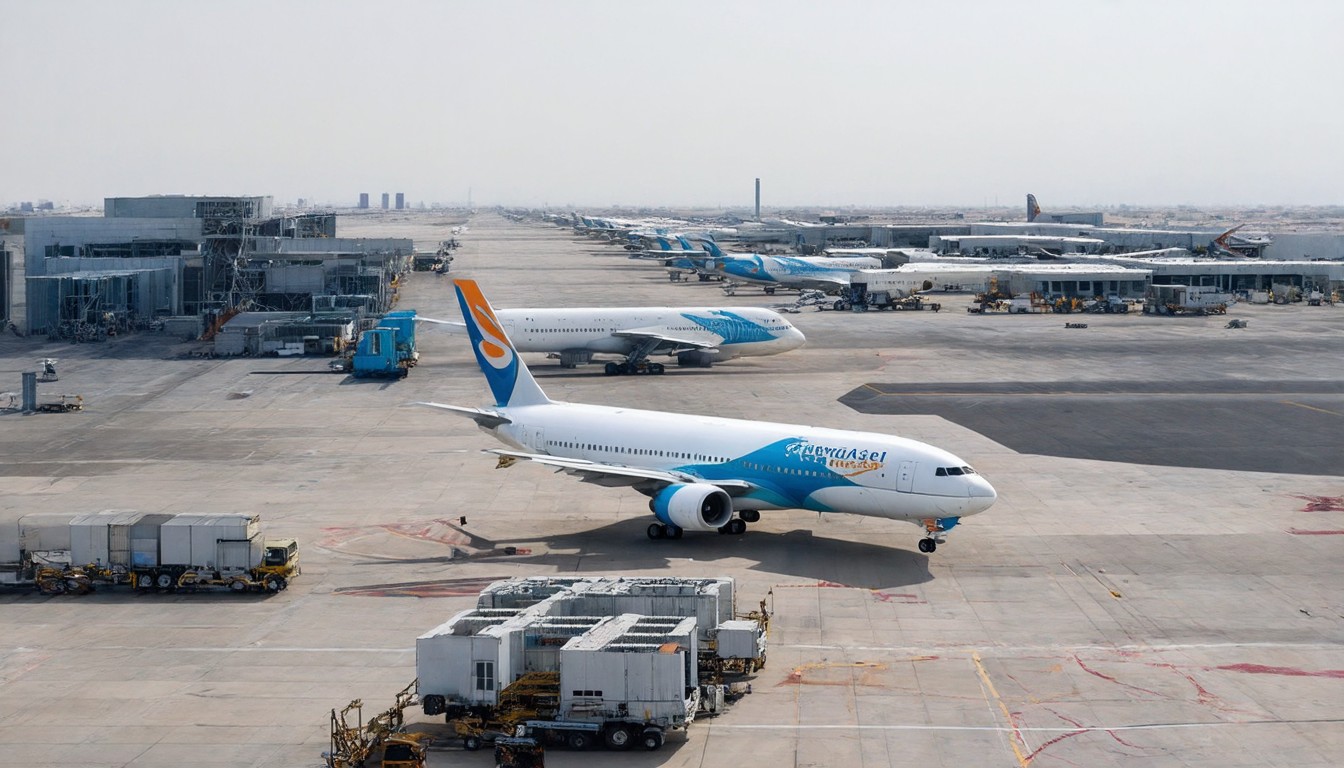
As tensions in the Middle East continue to escalate, the future of air travel is facing significant uncertainty. For years, the region's hub airports, such as Dubai, Doha, and Abu Dhabi, have been pivotal in offering affordable long-distance flights, connecting passengers from Asia, Europe, and the Americas. These airports have become gateways for global travel, offering competitive pricing and convenient layovers. However, the prospect of a prolonged conflict in the region raises concerns about the sustainability of this model and the potential impact on the global aviation industry.
The Gulf's hub airports have thrived by leveraging their strategic locations, offering connecting flights at lower costs than traditional European or North American hubs. This has made them attractive to both budget airlines and major carriers. For instance, Emirates and Qatar Airways, based in Dubai and Doha respectively, have expanded their networks significantly, offering direct flights to destinations worldwide. This has not only boosted tourism and trade but also made long-distance travel more accessible to a broader audience.
However, the recent spike in geopolitical tensions in the Middle East has cast a shadow over the stability of these hubs. The region's complex political landscape, including ongoing conflicts and disputes, has raised concerns about the safety and reliability of air travel through these airports. The potential for disruptions, such as flight cancellations or rerouting, could have significant implications for airlines, travelers, and the global economy.
Moreover, the economic implications of a prolonged conflict are not just limited to air travel. The Gulf's hub airports are also critical for the region's economy, generating billions of dollars in revenue through tourism, cargo, and aviation-related industries. A disruption in these airports could lead to job losses and a slowdown in economic growth, affecting not only the Gulf states but also the countries they connect.
In response to these challenges, airlines are already exploring alternative routes and hubs to mitigate potential disruptions. Some carriers are considering expanding their networks to include new hubs in Asia, such as Singapore or Tokyo, or even in Europe, like Frankfurt or Amsterdam. This shift could alter the global aviation landscape, with traditional hubs losing their competitive edge.
For travelers, the potential impact of a prolonged Middle East conflict could mean higher ticket prices and less convenient routes. If the Gulf's hub airports become less viable, airlines may need to increase fares to cover the costs of rerouting flights or maintaining alternative routes. This could make long-distance travel more expensive for many, particularly those relying on budget airlines.
Furthermore, the geopolitical tensions could lead to changes in international aviation policies. Governments may impose restrictions on flights over certain regions or require additional security measures, further complicating the air travel experience. This could result in longer layovers and more rigorous security checks, impacting passenger convenience and satisfaction.
In the face of these challenges, the aviation industry is adapting. Airlines are investing in new technologies and infrastructure to ensure the safety and reliability of their operations. They are also exploring partnerships with alternative hubs to provide more stable routes for passengers. However, the long-term effects of a prolonged Middle East conflict on air travel remain uncertain.
The future of the Gulf's hub airports and the global aviation industry is closely tied to the region's political stability. As tensions persist, the need for alternative solutions becomes more pressing. While airlines and governments work to navigate these challenges, travelers must prepare for potential disruptions and be ready to adapt their travel plans accordingly. The once-reliable model of affordable long-distance travel through the Gulf's hub airports may need to be reevaluated, reshaping how we fly in the years to come.








