
Powell sees inflation outlook in check, no need to hike rates because of oil shock
Federal Reserve Chair Jerome Powell spoke Monday at Harvard University.
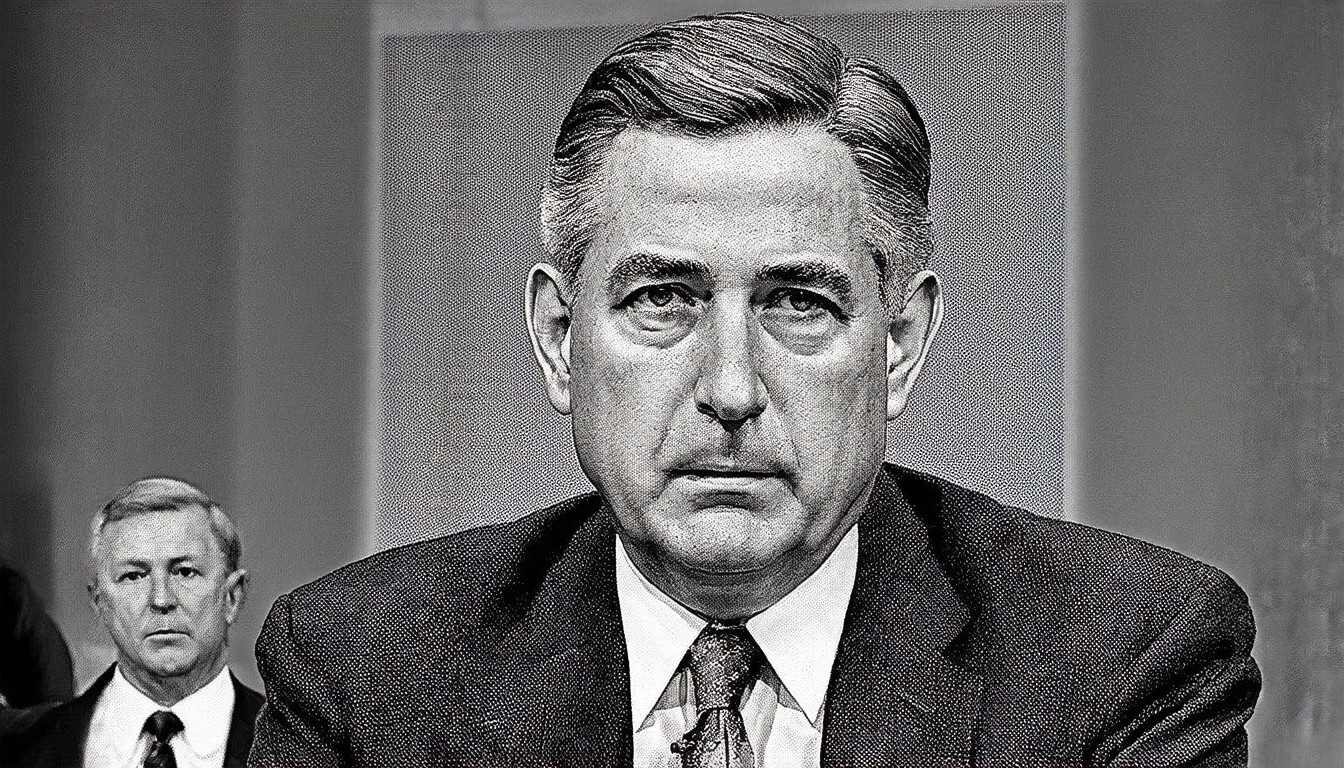
Federal Reserve Chair Jerome Powell addressed a packed audience at Harvard University on Monday, offering insights into the central bank's stance on inflation and interest rates amid ongoing economic challenges. In his remarks, Powell emphasized that the Federal Reserve is closely monitoring inflation trends and is confident that the outlook remains in check. He also clarified that the recent oil shock, while impactful, does not necessitate immediate action on interest rates.
Powell began by acknowledging the significant uncertainties facing the global economy, particularly the lingering effects of the pandemic and the ongoing geopolitical tensions. He noted that while these factors have contributed to inflationary pressures, the Federal Reserve's data analysis indicates that the core inflation rate—excluding volatile items like energy and food—is still within the desired range. This, he argued, suggests that the central bank's policies are effective in managing inflation without overtightening the monetary environment.
The oil shock, which has driven up energy prices and contributed to higher consumer costs, was a focal point of Powell's discussion. He acknowledged that the spike in oil prices has been a significant concern for both policymakers and consumers. However, he stressed that the Federal Reserve's models indicate that the impact of this shock is temporary. Powell explained that the central bank's projections suggest that energy prices will stabilize as global supply and demand dynamics adjust, and that the resulting inflationary pressures will gradually subside.
Despite the challenges posed by the oil shock, Powell reiterated that the Federal Reserve does not see a need to raise interest rates at this time. He argued that such a move could risk slowing economic growth, particularly given the fragility of the labor market. Powell highlighted that while unemployment remains higher than pre-pandemic levels, the job market is showing signs of improvement, with wage growth beginning to pick up. He cautioned against premature rate hikes, emphasizing the importance of balancing inflation control with sustainable economic growth.
Powell also touched on the broader economic landscape, acknowledging that the recovery from the pandemic is uneven. He noted that while some sectors are rebounding strongly, others are still grappling with the effects of the crisis. In this context, he underscored the importance of continued fiscal and monetary support to ensure a robust and inclusive recovery. He called for collaboration between the government and the private sector to address disparities and support vulnerable populations.
The audience at Harvard University posed several questions to Powell, focusing on the potential risks to the inflation outlook, the impact of the oil shock on consumer prices, and the implications of the Fed's policy stance for households and businesses. Powell addressed these concerns with clarity and confidence, reiterating the central bank's commitment to achieving its dual mandate of maximum employment and price stability.
In conclusion, Powell's remarks at Harvard University provided a nuanced view of the Federal Reserve's approach to inflation and interest rates. While acknowledging the challenges posed by the oil shock and other economic uncertainties, he remained optimistic about the inflation outlook and the need for a measured approach to monetary policy. His emphasis on balancing inflation control with economic growth underscores the complexities of policymaking in today's uncertain economic environment. As the world continues to navigate the aftermath of the pandemic and the geopolitical tensions, the Fed's guidance offers a roadmap for navigating the challenges ahead.









