Portugal among EU countries with the most people working close to 50 hours a week
A recent Randstad analysis indicates that only Greece, Cyprus and France have a higher percentage of employees habitually working 49 hours or more per week than in Portugal.

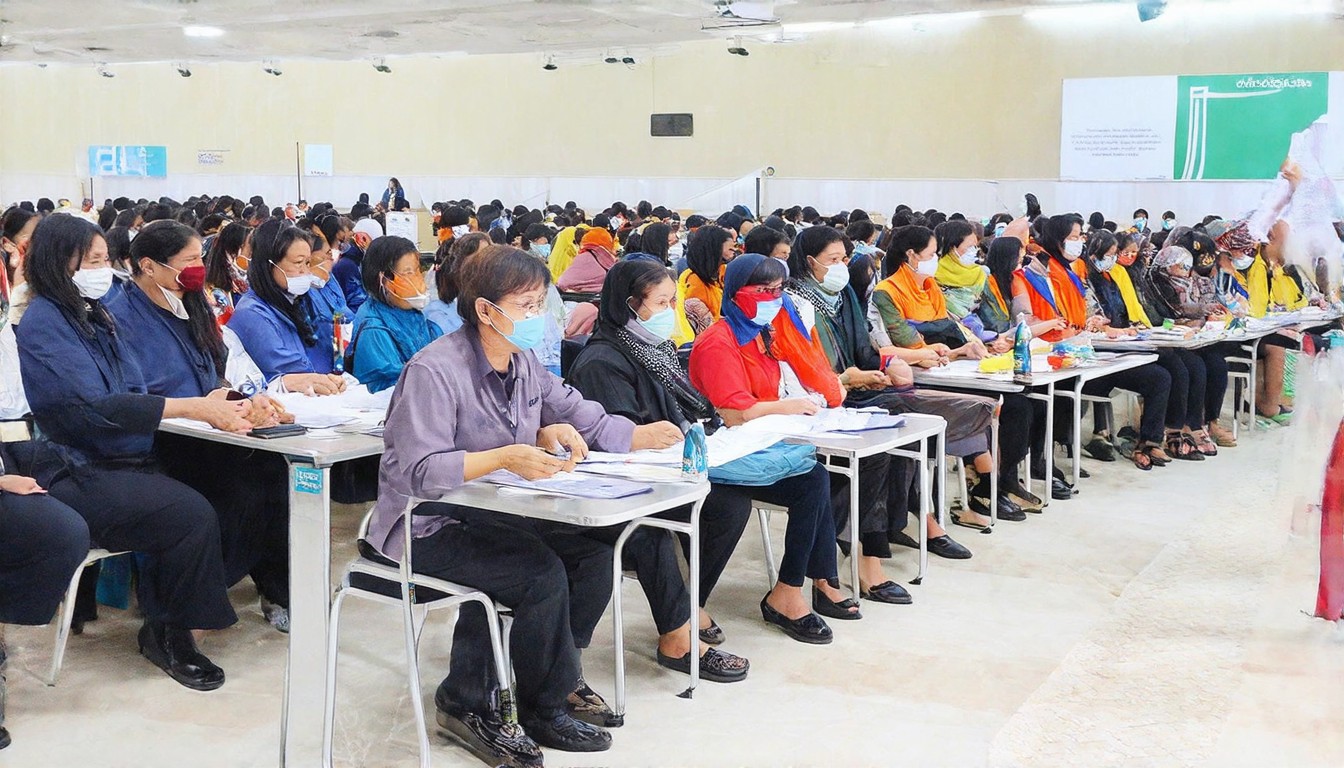
A recent study by Randstad, a leading human capital company, has revealed that Portugal is among the European Union countries with the highest percentage of employees working close to 50 hours per week. The analysis highlights that only Greece, Cyprus, and France have a higher proportion of workers habitually putting in 49 hours or more each week compared to Portugal. This finding underscores the long working hours prevalent in several EU nations, particularly in Southern Europe.
The Randstad report, which draws on data from various member states, emphasizes the need for policymakers to address the issue of excessive working hours. Portugal's high ranking in this context is a cause for concern, as prolonged work durations can lead to burnout, reduced productivity, and negative health outcomes. The study suggests that Portugal's labor market may be under pressure to maintain competitiveness, leading to a culture that encourages long hours.
In Portugal, the average workweek has been a topic of debate for years. Despite efforts to regulate working hours, many employees continue to work beyond the legal limit of 40 hours per week. This trend is often attributed to the country's economic challenges, particularly during the aftermath of the 2008 financial crisis. Portugal's government has implemented measures to support work-life balance, such as promoting flexible working arrangements and encouraging remote work. However, the Randstad analysis indicates that these initiatives may not be sufficient to curb the prevalence of long working hours.
The comparison with Greece, Cyprus, and France is particularly striking. These countries, like Portugal, have experienced significant economic difficulties in recent years. The high percentage of workers in these nations putting in long hours could be a result of the need to boost productivity and economic growth. However, the study also points out that excessive working hours may not be sustainable in the long run, potentially leading to a decline in workforce well-being and overall economic health.
The Randstad report highlights the importance of balancing economic needs with worker welfare. It calls for EU countries to reevaluate their labor policies and consider implementing stricter regulations on working hours. Such measures could include enforcing the 40-hour workweek more rigorously, promoting work-life balance initiatives, and encouraging employers to adopt practices that prioritize employee well-being.
In Portugal, the findings of the Randstad study may prompt further discussions on labor reform. The government and business leaders will need to collaborate to address the issue of long working hours. This could involve incentivizing companies to adopt flexible work models, investing in technology to enhance productivity, and promoting a culture that values employee well-being.
The study also raises questions about the broader implications of long working hours on EU labor markets. As countries grapple with the effects of the pandemic and the ongoing economic recovery, the need for sustainable work practices becomes even more pressing. The Randstad analysis serves as a reminder that policymakers must strive to create a balance between economic growth and worker welfare, ensuring that the workforce remains healthy and productive in the long term.
In conclusion, the recent Randstad analysis underscores the prevalence of long working hours in several EU countries, with Portugal ranking among the highest. This trend poses challenges to worker well-being and economic sustainability. The study calls for a reevaluation of labor policies and a commitment to implementing measures that promote work-life balance and prioritize employee health. As the European Union continues to navigate economic challenges, addressing the issue of excessive working hours will be crucial for fostering a resilient and healthy workforce.