
Pope Leo urges world leaders to end wars, renounce conquest
Pope Leo urged global leaders in his Easter message on Sunday to end the conflicts raging across the world and abandon any schemes for power, conquest or domination.…
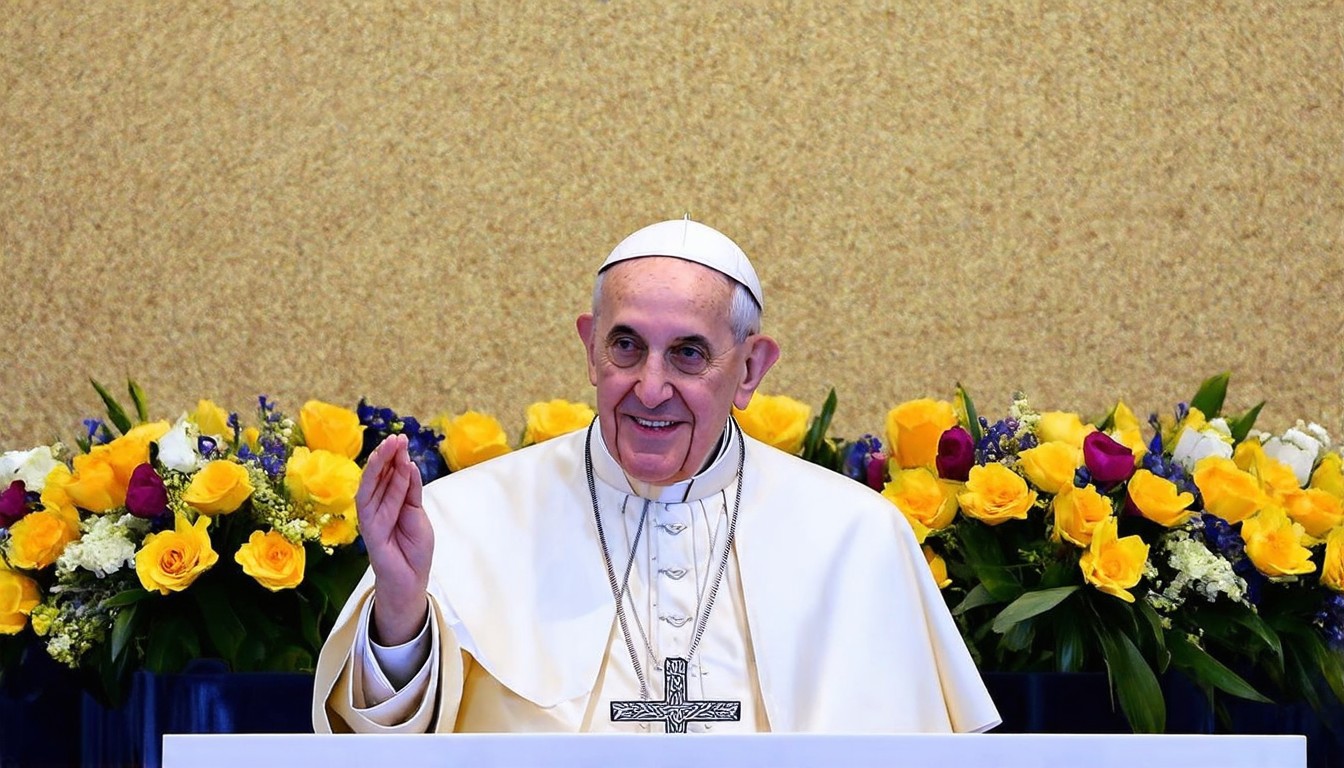
Pope Leo's Easter message on Sunday resonated with a powerful call for peace and unity, urging world leaders to put an end to the numerous conflicts that have gripped the globe. In his annual address, the Pope emphasized the need for nations to renounce any ambitions for power, conquest, or domination, highlighting the devastating consequences of such actions.
The Pope began his message by acknowledging the ongoing struggles and suffering experienced by millions of people worldwide. He noted that despite advancements in technology and communication, humanity has not yet overcome the age-old challenges of violence and division. Pope Leo underscored that the Easter celebration, which commemorates the resurrection of Jesus Christ, is an opportunity for reflection and renewal, urging leaders to embrace a path of peace and reconciliation.
"In this time of great turmoil and uncertainty, it is imperative that we turn our backs on the destructive pursuit of power and conquest," Pope Leo said. "The world has seen too much suffering and loss due to conflicts fueled by greed and ambition. It is time for us to choose a different course, one that prioritizes the well-being of all people and the common good."
The Pope's message was not limited to specific regions or conflicts but addressed the global community as a whole. He called on leaders to engage in dialogue and cooperation, emphasizing that lasting peace can only be achieved through mutual understanding and respect. Pope Leo urged nations to work together to address the root causes of conflict, such as poverty, inequality, and environmental degradation, which often exacerbate tensions and drive people towards violence.
In addition to addressing world leaders, Pope Leo's message also reached out to individuals, encouraging them to play a role in promoting peace. He emphasized the importance of personal responsibility and the need for each person to contribute to a culture of understanding and compassion. The Pope highlighted the role of faith in fostering a sense of unity and empathy, reminding people that they are all part of a global family.
The Pope's call for renouncing conquest and power was a stark contrast to the realities of contemporary geopolitics, where nations often compete for influence and resources. However, Pope Leo's message was not one of naivety but rather a call for a more ethical and humane approach to international relations. He argued that by prioritizing peace and cooperation, nations could achieve greater stability and prosperity in the long run.
The Easter message from Pope Leo serves as a reminder of the enduring struggle for peace in our world. As conflicts continue to plague various regions, his words offer a beacon of hope and a call to action for all who seek a more just and harmonious global community. The challenge now lies with world leaders and individuals alike to heed the Pope's plea and work towards a future built on the foundations of peace, understanding, and shared humanity.








