
Pope Leo calls for peace in the Middle East at first Easter Sunday mass as pontiff
Pope Leo XIV, the first American-born pope, called for peace in the Middle East at his first Easter Sunday mass as pontiff.
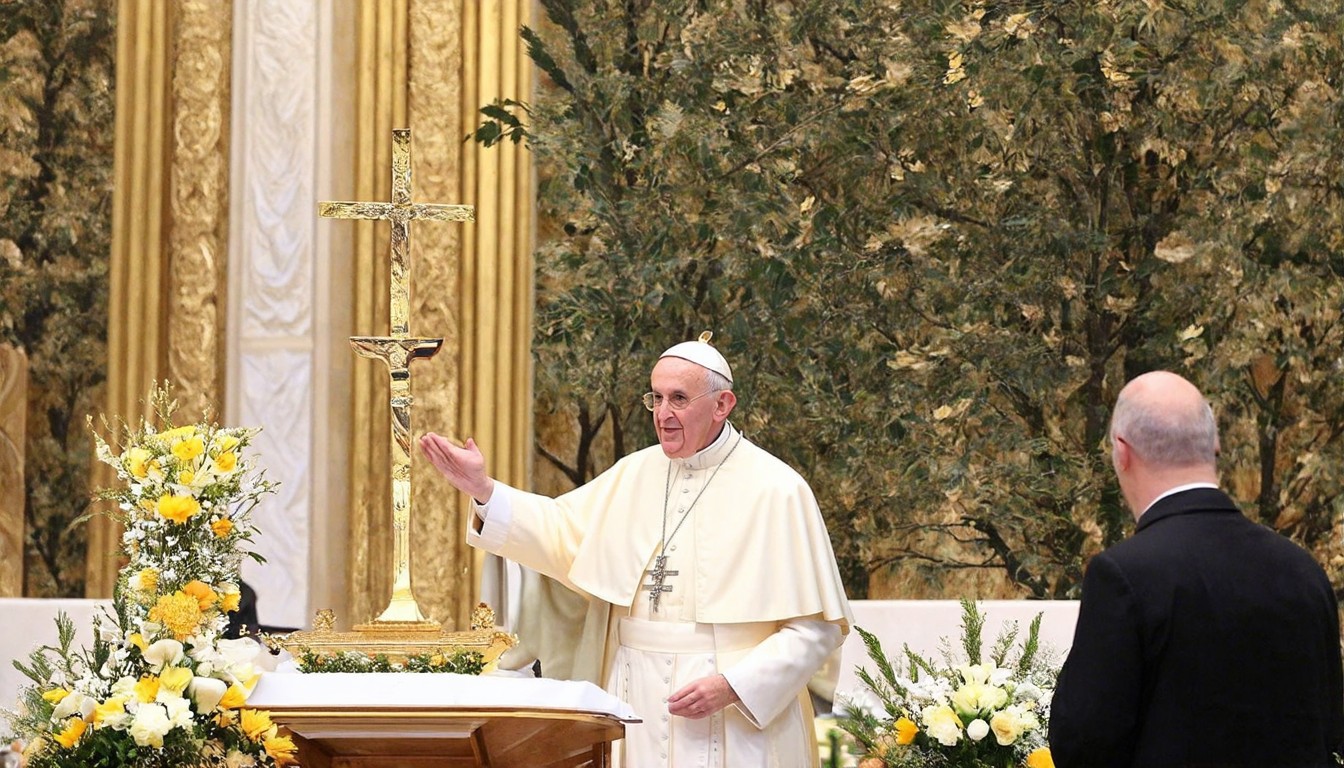
Pope Leo XIV, the first American-born pope in history, delivered a powerful call for peace in the Middle East during his inaugural Easter Sunday mass as the leader of the Catholic Church. The service, held in St. Peter's Square, drew thousands of worshippers and pilgrims from around the world, eager to witness the historic moment as the new pontiff addressed global tensions.
In his sermon, Pope Leo emphasized the urgent need for dialogue and understanding among the diverse religious and cultural communities in the region. He spoke of the suffering endured by millions of people caught in the crossfire of conflict, urging world leaders to prioritize peace and reconciliation. The pope's message was a stark reminder of the enduring challenges faced by the Middle East, where decades of unresolved disputes have left deep scars on the region's fabric.
Pope Leo's call for peace was not limited to rhetorical appeals; he also called upon the international community to take concrete steps to support peacebuilding initiatives. He highlighted the role of religious leaders in fostering interfaith dialogue, urging them to work together to promote tolerance and mutual respect. The pope's emphasis on unity and cooperation resonated with many in the audience, who were moved by his earnest plea for a more peaceful future.
The significance of Pope Leo's address was further underscored by his American heritage. As the first pope born in the United States, he brings a unique perspective to the challenges facing the Middle East. His background in a nation with significant historical and economic ties to the region may offer fresh insights into how to navigate the complexities of the ongoing conflicts.
The Easter mass also marked a new chapter in the Catholic Church's history, as Pope Leo's election represented a shift in the global dynamics of religious leadership. His election was a testament to the Church's growing diversity and its ability to adapt to the changing world. As he begins his papacy, Pope Leo's call for peace in the Middle East serves as a guiding principle, reflecting his commitment to addressing some of the most pressing issues of our time.
The response to Pope Leo's message has been mixed. While many religious and political leaders have welcomed his call for peace, others have been more cautious, pointing to the complexities of the region's history and the challenges of achieving lasting stability. Despite these reservations, Pope Leo's powerful sermon has reignited the conversation about the need for global cooperation and the potential for peaceful coexistence in the Middle East.
As the world continues to grapple with the complexities of the Middle East, Pope Leo's message serves as a reminder of the enduring power of hope and the importance of collective action. His call for peace is not just an appeal to the region's leaders but a call to action for everyone, urging us to work together to build a more just and peaceful world.
In the days following the Easter mass, Pope Leo has continued to engage with world leaders and religious figures, emphasizing the need for sustained efforts to promote peace and reconciliation. His leadership is expected to shape the Catholic Church's approach to global issues, and his call for peace in the Middle East is likely to be a central theme of his pontificate.
As the world watches with anticipation, Pope Leo's message of peace in the Middle East serves as a beacon of hope, reminding us of the potential for unity and understanding in an increasingly divided world. His call to action is a powerful reminder that the path to peace begins with the courage to speak out and the determination to act.








