Political Literacy In Kerala: Does Higher Awareness Change Voting Behavior?
Kerala Assembly Elections 2026: With over 2.69 crore eligible voters set to vote on April 9, 2026, the scale of participation remains significantly high in Kerala.
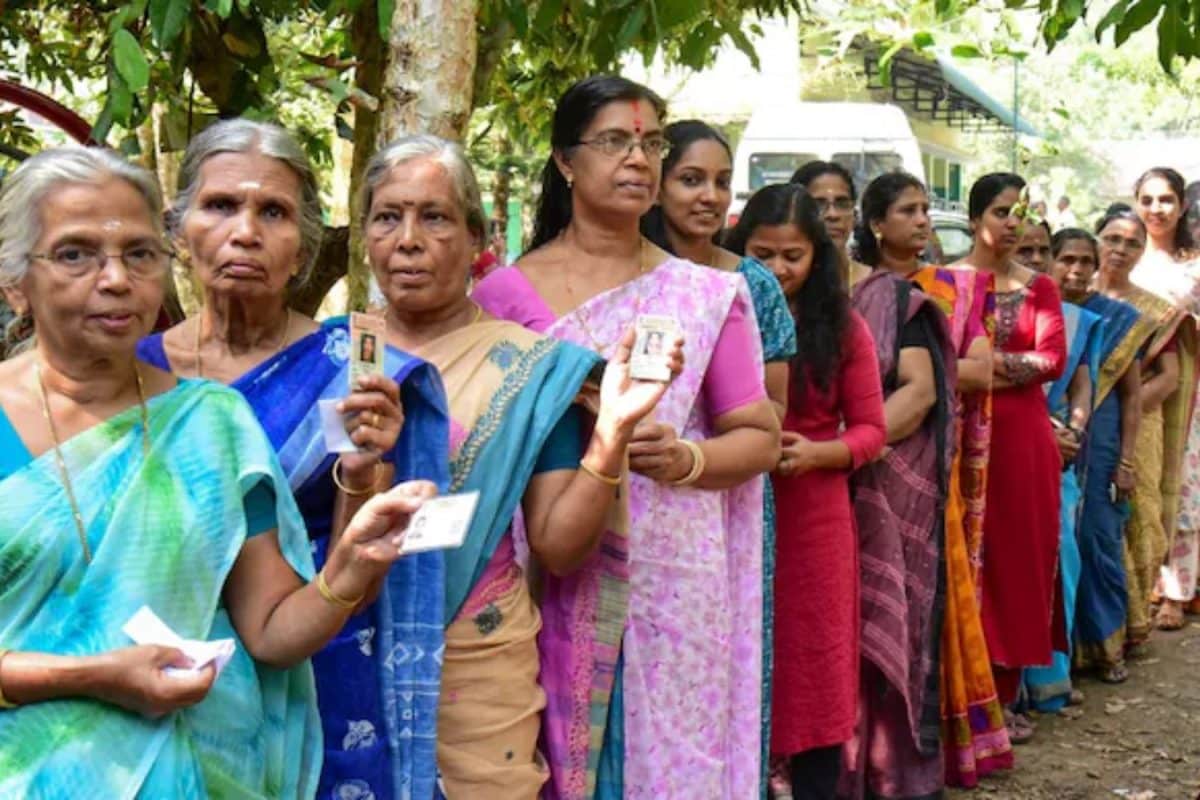
In the lead-up to the Kerala Assembly Elections of 2026, political literacy has emerged as a critical factor influencing voter behavior. With over 2.69 crore eligible voters poised to cast their ballots on April 9, 2026, the state's electoral landscape is marked by a high level of voter engagement. This article delves into the intricate relationship between political awareness and electoral participation, examining how higher political literacy might shape voting patterns in Kerala.
Kerala, known for its consistently high voter turnout, has long been a bastion of political activism. The state's electoral history is characterized by a strong sense of civic duty among its residents, who have consistently participated in elections at record-breaking rates. This year's elections, however, present a unique opportunity to assess the impact of political literacy on voter behavior.
Political literacy refers to the knowledge and understanding of political processes, systems, and issues that voters possess. It encompasses awareness of political parties, their policies, and the electoral process itself. In Kerala, where political engagement is deeply ingrained, political literacy has been on the rise. This is largely attributed to a combination of factors, including robust civic education initiatives, widespread media coverage of political developments, and active participation in grassroots political activities.
The role of education in fostering political literacy cannot be overstated. Kerala's commitment to education has created a well-informed electorate. The state's literacy rate, one of the highest in the country, ensures that a significant portion of the population is equipped with the necessary knowledge to make informed political decisions. This foundation of literacy is further enhanced by the state's emphasis on civic education, which is integrated into school curricula. Through this, students are exposed to the workings of democracy, the importance of voting, and the role of political institutions.
Media plays a pivotal role in shaping political awareness. In Kerala, the media landscape is diverse, with a plethora of print, electronic, and digital platforms providing in-depth coverage of political events and issues. This extensive media exposure ensures that voters are well-informed about the political landscape, enabling them to make educated choices. However, the challenge lies in filtering out reliable information from the vast array of content available. Despite this, Kerala's voters have demonstrated a remarkable ability to discern credible sources, a testament to their political literacy.
Grassroots political participation is another key driver of political literacy in Kerala. The state's political parties are known for their active engagement with the grassroots, often organizing rallies, meetings, and discussions to connect with voters. This direct interaction fosters a deeper understanding of political issues and party positions, empowering voters to make informed decisions. Furthermore, the presence of numerous civil society organizations and watchdog groups in Kerala ensures that political processes are transparent and accountable, further enhancing voter awareness.
The impact of political literacy on voting behavior is multifaceted. Higher political awareness is likely to lead to more strategic voting, where voters prioritize their preferences based on policy alignment and party performance. This could result in a more stable political landscape, as voters are more likely to support parties that consistently deliver on their promises. Additionally, political literacy can encourage voter turnout, as voters feel more confident in their ability to make a difference through their vote.
However, the relationship between political literacy and voting behavior is not without complexities. While higher political awareness can lead to more informed decisions, it can also result in voter polarization. In a highly polarized political environment, voters may become more entrenched in their beliefs, leading to a binary view of politics. This can limit the appeal of centrist or moderate political parties, potentially affecting the balance of power in the Kerala Assembly.
Moreover, the influence of political literacy on voting behavior may vary across different demographics. Factors such as age, gender, and socio-economic status can impact political awareness and, consequently, voting patterns. For instance, younger voters, who are often more tech-savvy, may be more inclined to seek information online, potentially leading to different voting behaviors compared to older generations. Similarly, gender disparities in political participation must be addressed, as women's political literacy can significantly influence their likelihood of voting and the parties they support.
In conclusion, political literacy in Kerala is a dynamic factor that shapes voting behavior during the 2026 Assembly Elections. The state's high voter turnout and commitment to civic education create a fertile ground for political awareness. As voters become more informed about political issues and processes, their voting patterns are likely to reflect this heightened political literacy. However, the complexities of political polarization and demographic variations must be considered to fully understand the impact of political awareness on electoral outcomes. Ultimately, the 2026 Kerala Assembly Elections will serve as a microcosm for assessing the role of political literacy in shaping democratic processes and voter behavior.