
Police take nearly 24 hours to shut down illegal rave
Multiple arrests were made when riot police clashed with partygoers at an illegal rave over the weekend.
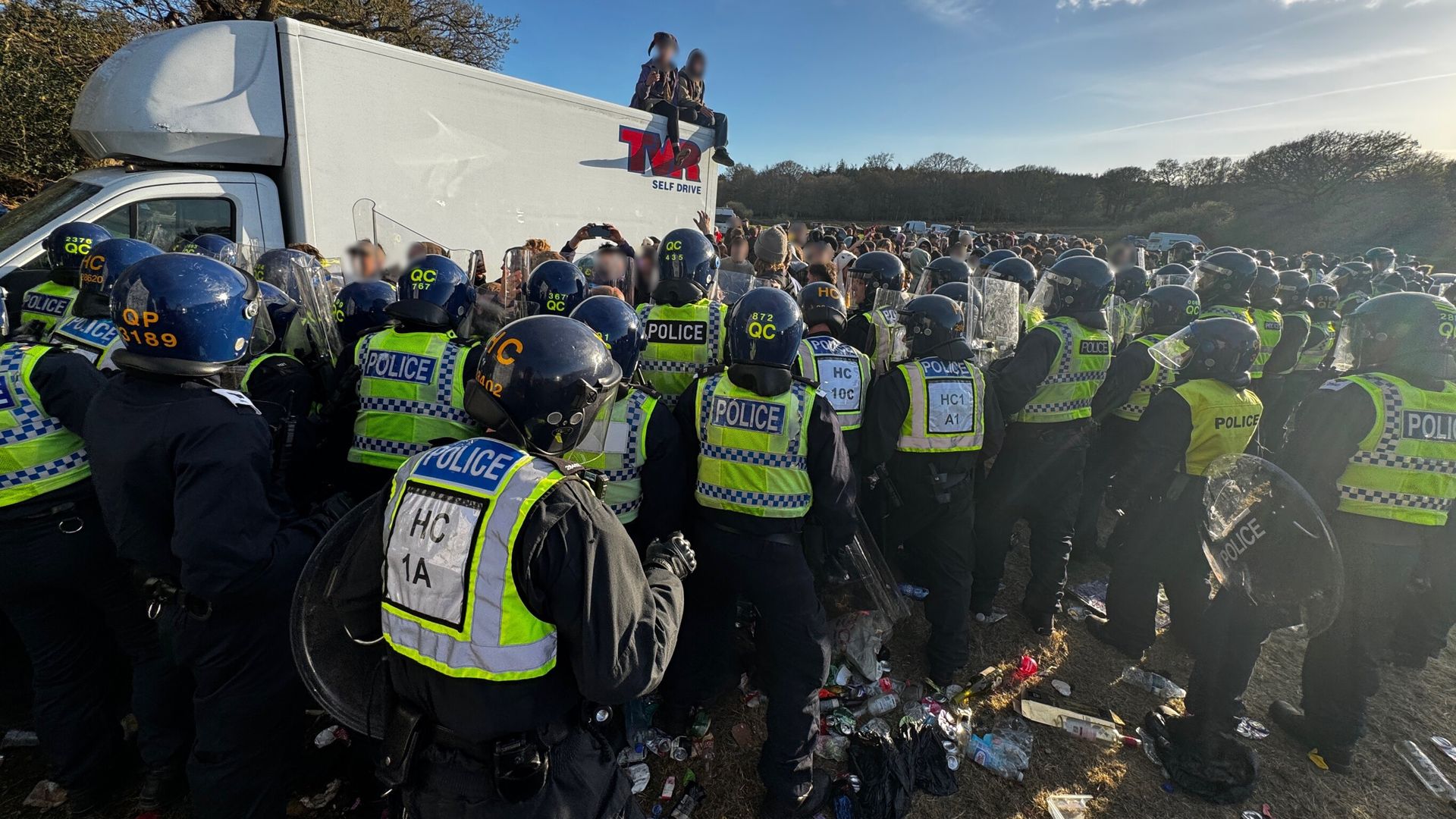
Over the weekend, an illegal rave in Dorset drew the attention of law enforcement, culminating in a tense standoff between riot police and partygoers that lasted nearly 24 hours. The event, which took place in a remote location, had been operating under the radar for several days, attracting a large crowd of revelers seeking a night of unchecked celebration.
Initial reports of the rave reached the authorities on Saturday evening, prompting a small team of officers to investigate. However, upon arrival, they were met with a scene of chaotic energy, with hundreds of people dancing and consuming alcohol in a sprawling field. The officers attempted to communicate with the crowd, urging them to disperse and informing them that the gathering was illegal. Despite these appeals, the partygoers showed no signs of leaving, leading to a standoff that would last for much of the night.
As the situation escalated, the police called for reinforcements, and by early Sunday morning, a significant number of riot police had arrived on the scene. The decision to escalate the response was made in an effort to ensure public safety, given the potential risks associated with large-scale gatherings in such settings. The riot police were equipped with equipment designed to manage crowds and disperse large groups if necessary.
The clash between the police and partygoers began in the early hours of Sunday morning. As the officers moved in to enforce the dispersal order, they were met with resistance from some attendees, who threw bottles and other objects in an attempt to fend them off. The situation grew increasingly volatile, with both sides engaged in a tense standoff that lasted for several hours.
In the midst of the chaos, multiple arrests were made. Officers targeted individuals they believed were responsible for organizing the rave, as well as those who were causing the most trouble during the confrontation. The exact number of arrests has not yet been released, but witnesses on the ground reported seeing several individuals being taken into custody.
The eventual resolution of the situation came in the late hours of Sunday, after nearly 24 hours of continuous tension. With the help of negotiators, the police were able to persuade many of the remaining partygoers to leave peacefully. Those who resisted were dealt with more firmly, with the riot police using a combination of force and communication to bring the situation under control.
The aftermath of the rave saw a significant cleanup effort, with officers and emergency services working to remove litter and address any potential hazards left behind by the crowd. The local community, which had been alerted to the illegal gathering, expressed mixed reactions. Some residents were relieved that the rave had been shut down, while others criticized the police response as overly aggressive.
This incident highlights the challenges faced by law enforcement in managing illegal raves and other unauthorized gatherings. Such events often attract large numbers of people, many of whom may be under the influence of alcohol or drugs, posing risks to both their own safety and that of those around them. The decision to escalate the police presence in this case was likely driven by a desire to prevent any potential harm from arising during the rave.
As the investigation into the rave continues, it remains to be seen what consequences await those involved. Authorities are expected to review footage from the event and interview witnesses in an effort to identify and prosecute those responsible for organizing the gathering. In the meantime, the community of Dorset will undoubtedly be discussing the events of the weekend, with many reflecting on the balance between enforcement and the rights of individuals to gather peacefully.
The shutdown of this illegal rave serves as a reminder of the ongoing efforts by law enforcement to maintain public order and safety, even in the face of significant challenges. As communities grapple with the rise of such events, the need for a coordinated response that effectively addresses both the immediate dangers and the underlying issues driving these gatherings becomes increasingly apparent.









