
Police accused of using 'unethical' force at rave
One attendee at the illegal rave in Dorset says the "violence" used by police was "unethical".
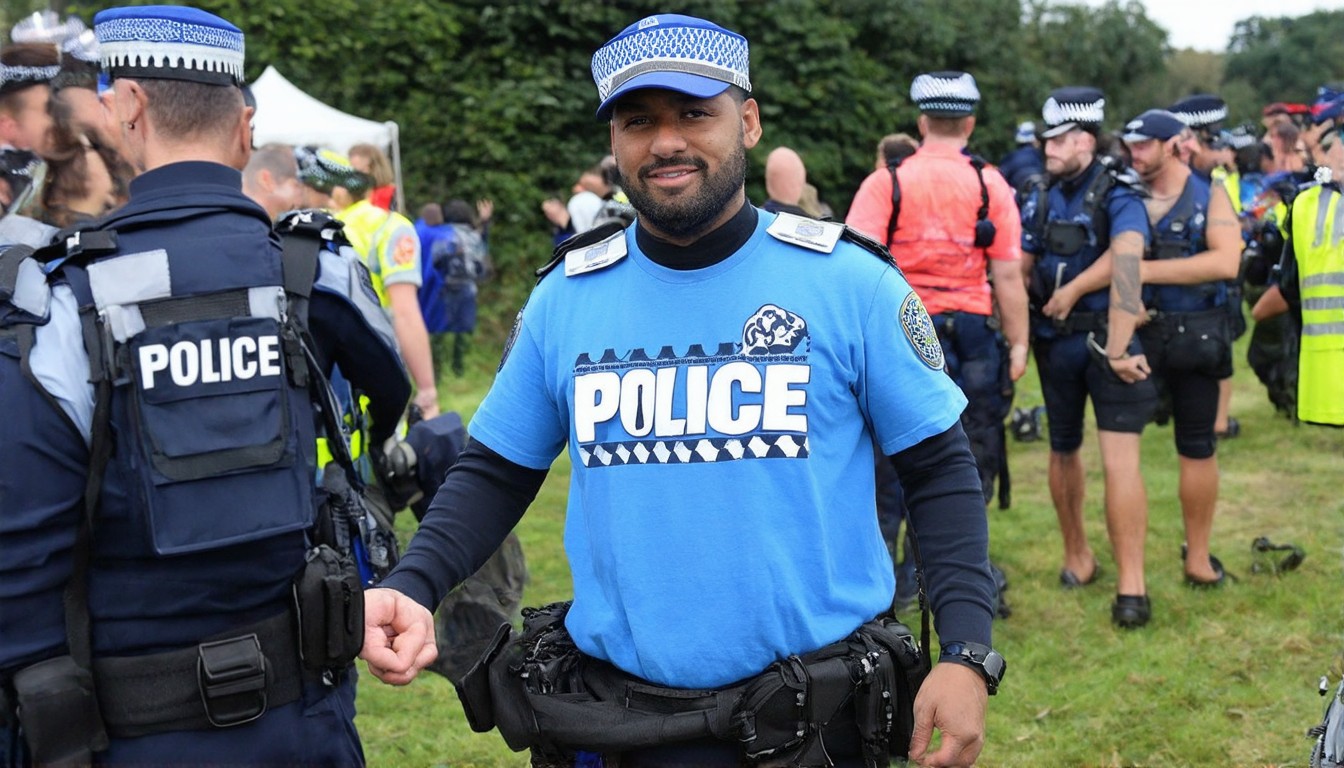
In a recent incident that has sparked controversy, attendees of an illegal rave in Dorset have accused the police of using "unethical" force during the event's disruption. The rave, which took place in a remote location, drew hundreds of young people seeking to enjoy music and dance under the cover of darkness. However, the night took a darker turn when law enforcement officers arrived to shut down the gathering.
Eyewitnesses report that the police response was aggressive and disproportionate, with some attendees describing the force used as "unethical." One attendee, who wishes to remain anonymous, recounted the events, stating, "The violence used by the police was unnecessary and unethical. We were just there to have fun, and instead, we were subjected to a brutal crackdown."
The Dorset Police have not yet released an official statement on the matter, but local media outlets have been flooding with reports of the incident. Some attendees shared videos and photos on social media, capturing moments of police officers pushing and shoving festival-goers, as well as the use of flashbangs and loudspeakers to disperse the crowd.
This is not the first time that the Dorset Police have been criticized for their handling of rave events. In recent years, there have been several instances where attendees have complained about the heavy-handed approach of the police, with some alleging that the officers targeted young people disproportionately. Critics argue that such actions contribute to a culture of fear and mistrust between the community and the police force.
The issue of rave policing has become a hot topic in the UK, with debates raging about the balance between law enforcement and civil liberties. Advocates for reform argue that the police should focus on preventing crime rather than targeting individuals attending raves, which are often seen as harmless gatherings. They also point out that the resources spent on cracking down on raves could be better utilized in addressing more pressing issues such as drug dealing or violent crime.
On the other hand, supporters of the police argue that raves can sometimes be associated with illegal activities, such as the sale and use of drugs. They maintain that the police have a responsibility to ensure public safety and uphold the law, even if it means disrupting such events.
As the Dorset incident gains traction, it is likely to draw scrutiny from both the local community and national watchdogs. The situation serves as a reminder of the ongoing tension between law enforcement and the rave culture, highlighting the need for a more nuanced approach to policing in the UK.
In the meantime, the attendees of the Dorset rave are left to grapple with the aftermath of a night that was meant to be one of fun and celebration. The accusations of unethical force raise questions about the role of the police in society and the need for transparency and accountability in their actions. As the story unfolds, it remains to be seen how the Dorset Police will respond and whether any changes will be made to their policing strategies.









