Poland's border with Belarus sees decrease in illegal immigration attempts by 96%
The Polish government has announced a significant decrease in the number of attempts to illegally cross the border with Belarus, pointing to the effectiveness of its migration policy and the reinforced activities of its services.
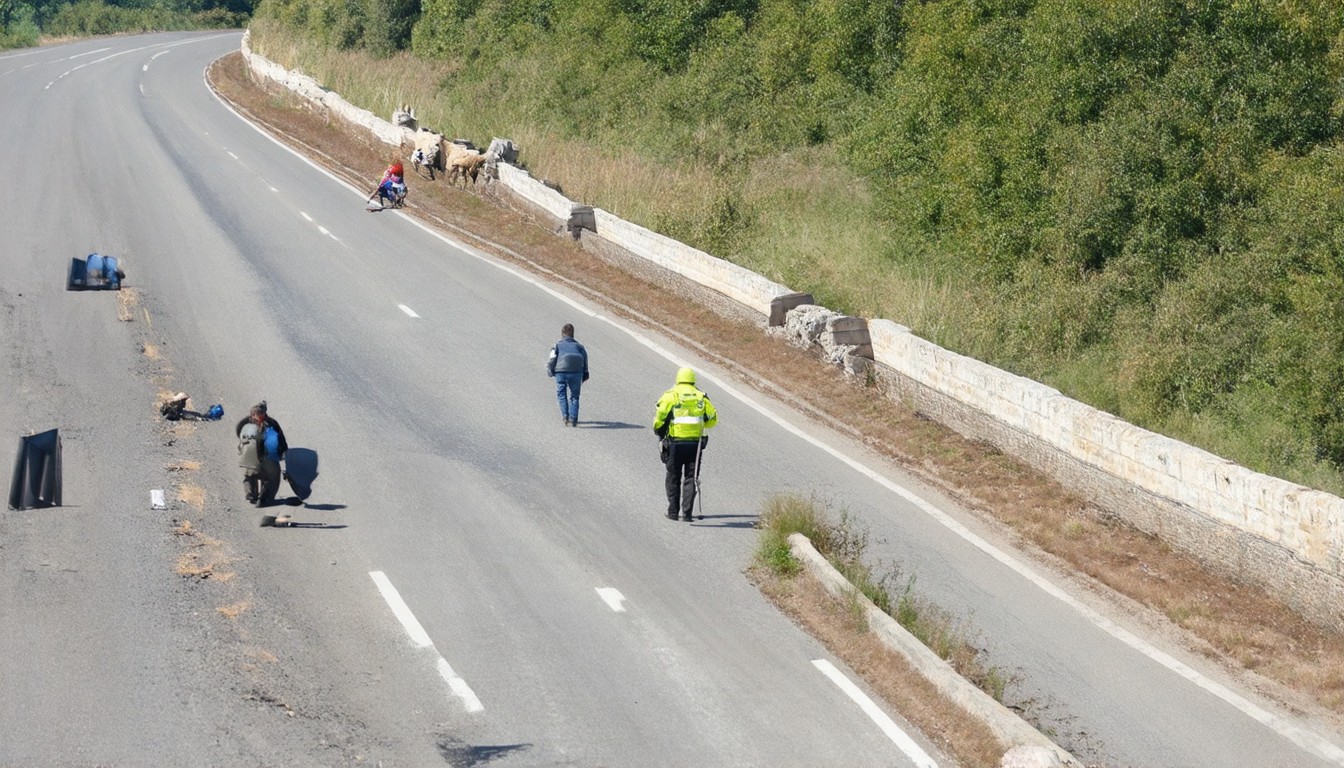
Poland's border with Belarus has witnessed a dramatic decline in illegal immigration attempts, with the number dropping by an impressive 96% since the implementation of stricter migration policies and enhanced border security measures. This significant reduction highlights the effectiveness of the Polish government's efforts to address the challenges posed by irregular migration and to safeguard the country's borders.
The crisis began in the summer of 2021, when Belarusian authorities were accused of orchestrating a humanitarian crisis by facilitating the movement of migrants from the Middle East and Africa towards the European Union through Poland. The influx of migrants, many of whom were seeking asylum, put immense pressure on Polish border services and raised concerns about national security and the stability of the EU's eastern flank.
In response to this escalating situation, the Polish government introduced a series of measures aimed at curbing illegal crossings. These included the construction of a physical barrier along the border, the deployment of additional border guards and military personnel, and the tightening of migration laws to deter potential crossers. The government also sought support from its EU partners, emphasizing the need for a coordinated response to the crisis.
The results of these actions have been striking. According to official data, the number of attempted crossings has plummeted, with only a small fraction of those who attempted to enter Poland in the early stages of the crisis now succeeding. This dramatic decrease is attributed to the combination of the physical barrier, which has made it physically difficult to cross, and the increased presence of border guards, who have been able to deter many would-be migrants from attempting the journey.
However, the situation is not without its challenges. While the number of attempted crossings has decreased significantly, the Polish government continues to face pressure from humanitarian organizations and some EU member states, which argue that the strict measures are inhumane and fail to address the root causes of migration. Critics have also pointed out that the barrier, while effective in deterring crossings, has had environmental and ecological impacts on the border region.
Despite these criticisms, the Polish government remains committed to its migration policy, arguing that it is necessary to protect the country's sovereignty and the integrity of the EU's external borders. The success of the current approach has also encouraged other EU countries to consider similar measures, as they grapple with their own migration challenges.
The decrease in illegal immigration attempts at the Poland-Belarus border serves as a cautionary tale about the complexities of migration crises and the need for a balanced approach that considers both security and human rights. While the Polish government's actions have undeniably been effective in curbing illegal crossings, the long-term implications of these measures for both the region and the broader EU remain to be seen. As the situation continues to evolve, it will be crucial for all stakeholders to work together to find sustainable solutions that address the root causes of migration and ensure the protection of human rights.