
Plastics are greener than they seem
Even if the world needs to become much better at managing their waste
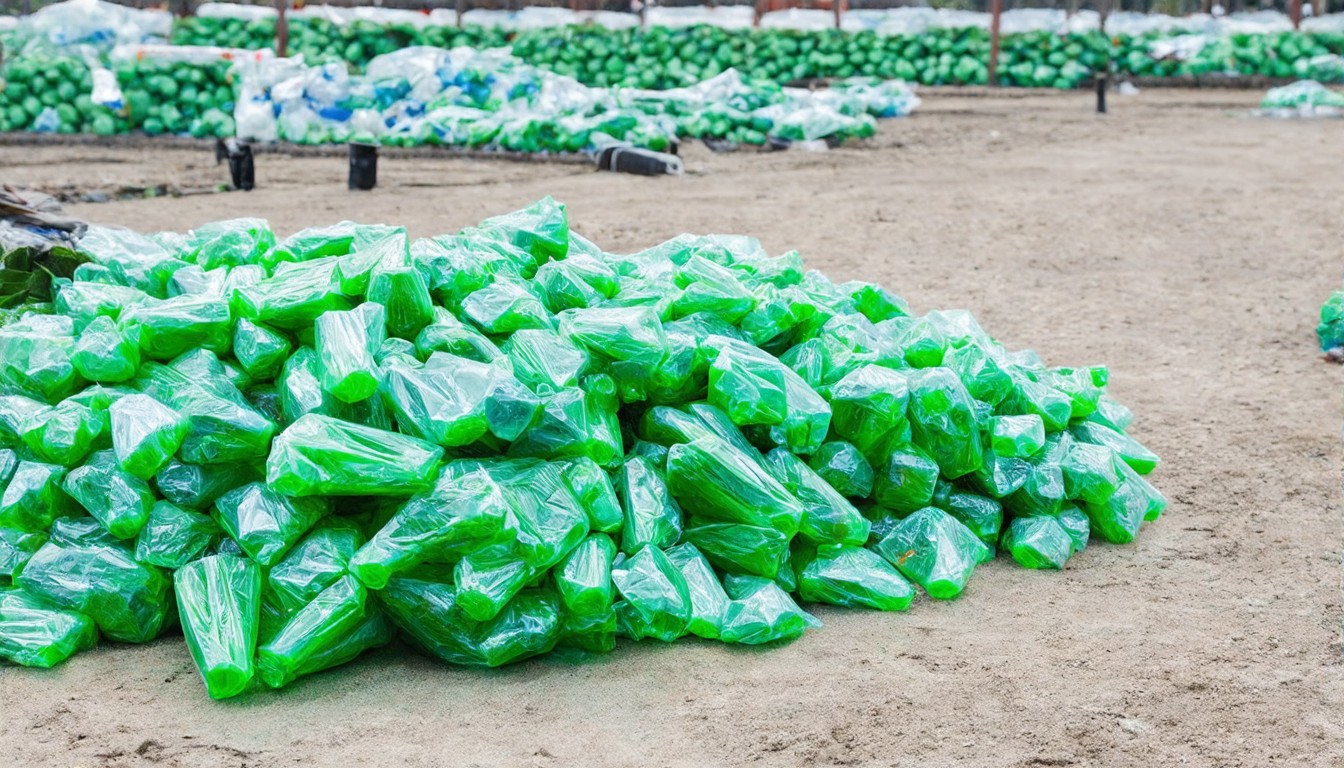
In recent years, the environmental impact of plastics has become a major concern, with many advocating for a swift reduction in their use. However, a growing body of research suggests that plastics, particularly those made from renewable resources, can actually be more environmentally friendly than previously thought. This perspective challenges the traditional narrative that associates plastics with pollution and unsustainable practices.
One of the key arguments in favor of plastics is their ability to reduce greenhouse gas emissions. For instance, bioplastics, which are derived from renewable sources like corn starch or sugarcane, can significantly cut down on carbon emissions compared to traditional petroleum-based plastics. This is because the production of bioplastics often involves less energy-intensive processes, and the raw materials used can absorb carbon dioxide from the atmosphere during their growth.
Moreover, plastics have a long lifespan, which can lead to lower overall resource consumption. Unlike materials such as glass or metal, plastics do not require the same level of energy-intensive recycling processes. In fact, many plastics can be reused multiple times without losing their functionality, reducing the need for new raw materials. This longevity can be particularly beneficial in developing countries, where resources are often scarce.
Another advantage of plastics is their versatility and lightweight nature. They can be easily molded into various shapes and sizes, making them ideal for a wide range of applications, from packaging to construction materials. This versatility means that plastics can often replace heavier, less durable materials, leading to reduced transportation costs and lower carbon footprints.
However, the environmental benefits of plastics are not without controversy. Critics argue that the production and disposal of plastics still pose significant challenges. Many plastics end up in landfills or the ocean, contributing to pollution and harming ecosystems. Additionally, the production of bioplastics can sometimes lead to deforestation and competition with food production, raising concerns about their true sustainability.
Despite these challenges, proponents of plastics argue that advancements in technology and waste management practices can mitigate these issues. For example, innovations in biodegradable plastics and improved recycling technologies could help reduce the environmental impact of plastics. Furthermore, better waste management systems could ensure that plastics are properly disposed of or recycled, preventing them from entering the environment.
In conclusion, the environmental impact of plastics is a complex issue that requires careful consideration. While there are undeniable challenges associated with their production and disposal, the potential benefits of plastics, particularly those derived from renewable resources, cannot be ignored. As the world continues to grapple with the need for sustainable solutions, it is crucial to approach the issue of plastics with an open mind, recognizing both the challenges and opportunities they present. Ultimately, the key to a greener future may lie in finding the right balance between reducing our reliance on plastics and improving our management of them.









