Plant Hormone Therapy Could Help Crops Fight Disease Without Sacrificing Yield
Colorado State University research shows plant hormone therapy can maintain growth while crops defend against disease, offering potential gains in wheat corn and soybean yield with reduced reliance on pesticides and inputs. The post Plant Hormone Therapy Could Help Crops Fight Disease Without Sacrificing Yield appeared first on Seed World .
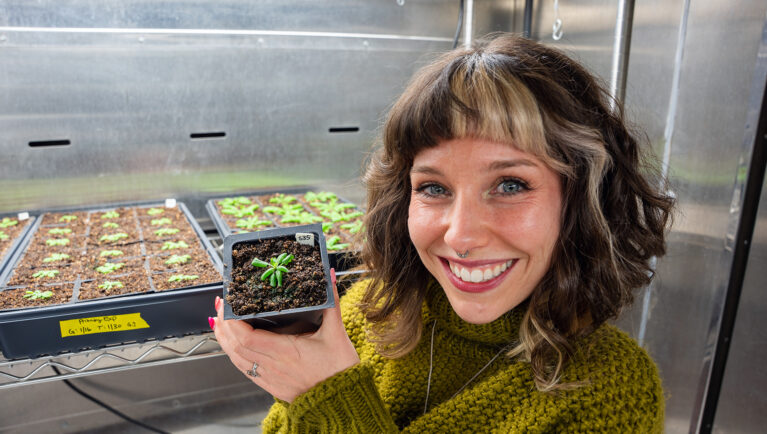
Colorado State University researchers have discovered a groundbreaking method to enhance crop productivity by maintaining plant growth while simultaneously boosting their disease resistance. This innovative approach, known as plant hormone therapy, could revolutionize agriculture by increasing yields in major crops like wheat, corn, and soybeans, all while reducing the reliance on pesticides and other inputs.
Plants face a significant challenge when it comes to growth and defense. When pathogens or pests attack, plants activate their immune systems to survive. However, this response comes at a cost. As the plant diverts energy toward defense, its growth slows, leading to reduced yields. For crops that are cultivated to feed people and livestock, this trade-off is crucial. Researchers Grace Johnston and Professor Cris Argueso from Colorado State University have found a way to address this issue by using hormone signaling to keep plants growing while their immune systems remain active.
In a recent study published in Current Biology, the researchers demonstrated that adjusting plant hormone signaling can restore growth in plants with overactive immune systems without compromising their disease resistance. In some cases, the resistance even improved. This breakthrough has the potential to significantly boost food production and enhance food security, as Argueso compared its potential impact to the Green Revolution of the past 60 years.
The research builds on the understanding of the growth-immunity tradeoff in plants. When plants detect a threat, they activate their immune systems, which diverts energy and resources away from growth, ultimately leading to lower yields. By manipulating phytohormone responses, the Colorado State University team has found a way to maintain both immunity and growth, offering a greener and more sustainable path to increased productivity in agriculture.
This discovery could have far-reaching implications for the global food supply. By reducing the need for pesticides and other inputs, farmers could produce more food with fewer resources, making agriculture more sustainable and environmentally friendly. Moreover, the potential to increase yields in major crops like wheat, corn, and soybeans could help address food insecurity and meet the growing demand for food in a rapidly expanding global population.
While the full potential of this research is yet to be realized, as it needs to be integrated into crops and tested on a larger scale, the findings are promising. Argueso expressed optimism about the potential impact, stating that it could be as significant as the Green Revolution. As the world continues to grapple with food security and the need for sustainable agricultural practices, plant hormone therapy offers a promising solution to help crops fight disease without sacrificing yield. This innovative approach could pave the way for a new era of agricultural productivity, ensuring that we can feed a growing population in a more sustainable and environmentally responsible manner.