
PixRevolution Malware Hijacks Brazil's PIX Transfers in Real Time
PixRevolution Android trojan hijacks Brazil’s PIX payments in real time using accessibility abuse
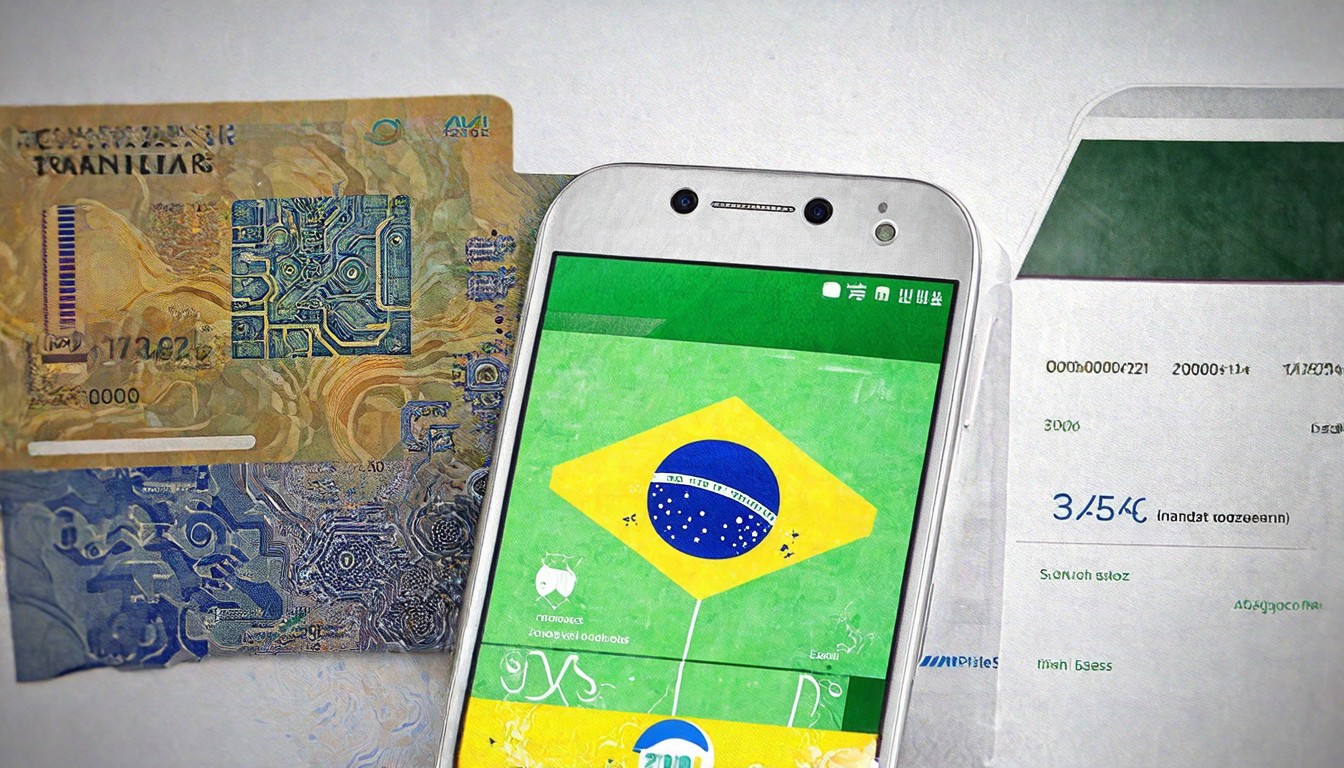
In a shocking development that underscores the growing threat of cybercrime in Brazil, the PixRevolution malware has been identified as a sophisticated Android trojan capable of hijacking real-time PIX transfers. This malicious software exploits accessibility features on Android devices, allowing attackers to intercept and manipulate financial transactions without the knowledge of the victims.
The PixRevolution malware operates by gaining access to the accessibility service on infected devices. This service, designed to assist users with disabilities, is often enabled on Android devices, providing third-party apps with the ability to interact with the device's UI. However, the malware exploits this feature maliciously, enabling it to capture sensitive information such as PINs, passwords, and transaction details.
Brazil's PIX system, developed by the Brazilian central bank, is a widely used digital payment platform that facilitates transfers between bank accounts. It is estimated that over 90% of Brazilian adults have a PIX account, making it a prime target for cybercriminals. The PixRevolution malware specifically targets users of this system, allowing attackers to intercept and divert funds in real time.
Researchers have discovered that the malware spreads primarily through malicious download links and fake app updates. Once installed on a device, it remains dormant until triggered by certain actions, such as launching the PIX app. At this point, the malware activates, capturing the user's input and sending it to a remote server controlled by the attackers. The stolen data is then used to execute unauthorized transactions, often to multiple accounts controlled by the criminals.
The real-time nature of the PixRevolution malware's attacks poses a significant challenge for both individuals and financial institutions. Victims may not realize their accounts have been compromised until they notice unusual transactions, by which time the funds may have been dispersed across multiple accounts, making it difficult to trace and recover the stolen money.
Brazilian authorities have been alerted to the threat posed by the PixRevolution malware, and efforts are underway to enhance cybersecurity measures and educate the public about the risks associated with accessibility exploits. Financial institutions are also working to improve their security protocols, such as implementing multi-factor authentication and real-time transaction monitoring, to mitigate the impact of such attacks.
In response to the growing concern, the Brazilian government has launched a campaign to raise awareness about the dangers of downloading apps from untrusted sources and the importance of keeping devices updated with the latest security patches. Additionally, the central bank is collaborating with cybersecurity experts to develop more robust defenses against accessibility-based attacks on the PIX system.
The PixRevolution malware incident highlights the critical need for continuous vigilance and proactive measures in combating cyber threats. As technology advances, so too do the tactics employed by cybercriminals, necessitating a coordinated effort from governments, financial institutions, and individuals to safeguard against such real-time financial exploits.
In conclusion, the PixRevolution malware serves as a stark reminder of the evolving landscape of cybercrime and the importance of robust security practices. By leveraging accessibility features on Android devices, this malware poses a significant threat to the Brazilian financial system, underscoring the need for enhanced vigilance and collaboration between stakeholders to protect against such real-time attacks.








