Pharmaceutical logistics in demand as war rattles supply chains
Medicines can stop pain, fight cancer and save lives but are worthless if they get lost in the mail, spoil in a hot warehouse or are stuck on…
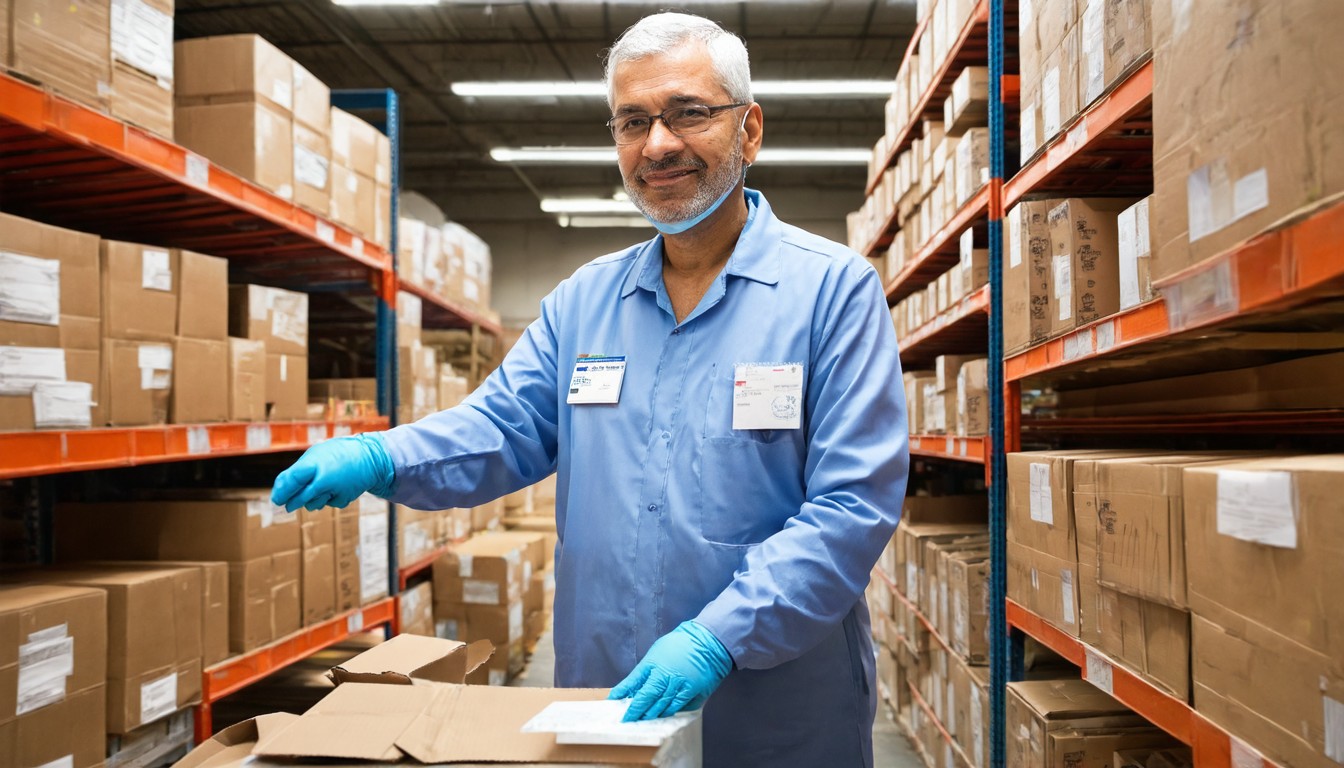
As global supply chains face unprecedented challenges due to ongoing conflicts, the demand for reliable pharmaceutical logistics has never been higher. Medicines, which are crucial for pain management, cancer treatment, and saving lives, become useless if they are lost during transit, spoil in inadequate storage conditions, or are delayed in transit. The complexities of transporting these sensitive goods have intensified as the war in Ukraine and other regional conflicts disrupt transportation networks, causing delays and increased costs.
Pharmaceutical companies and healthcare providers are grappling with the increased pressure to ensure the timely delivery of life-saving drugs. The logistics of transporting medicines require meticulous planning, as many drugs must be kept at specific temperatures to maintain their efficacy. Cold chain logistics, which involve maintaining a controlled temperature during storage and transportation, is a critical component of this process. However, disruptions in supply chains have made it challenging to maintain these conditions, leading to potential waste and reduced access to essential medicines.
The war in Ukraine, in particular, has had a significant impact on pharmaceutical logistics. The conflict has disrupted transportation routes, causing delays in the movement of goods across borders. This has forced companies to seek alternative routes, which can be more expensive and time-consuming. Additionally, the war has led to increased security concerns, as companies must navigate areas with heightened risks of theft and damage to shipments.
The situation is further complicated by the global shortage of certain raw materials and packaging required for pharmaceutical production. This shortage, exacerbated by the pandemic and ongoing geopolitical tensions, has put additional strain on supply chains. Companies are facing challenges in sourcing materials, which can lead to production delays and further strain on logistics networks.
In response to these challenges, pharmaceutical companies are adopting new strategies to ensure the continuity of their supply chains. Some are increasing their inventory levels to buffer against potential disruptions, while others are exploring partnerships with local distributors in affected regions. Additionally, there is a growing focus on digital transformation, with companies implementing advanced tracking systems and data analytics to monitor the movement of their shipments in real time.
Governments and international organizations are also playing a role in addressing these logistical challenges. The World Health Organization (WHO) has called for increased collaboration between countries to ensure the smooth flow of essential medicines. This includes improving infrastructure, investing in cold chain technology, and enhancing border security measures.
Despite these efforts, the future of pharmaceutical logistics remains uncertain. The ongoing conflicts and the evolving landscape of global trade and geopolitics will continue to pose significant challenges. However, the importance of reliable supply chains for delivering life-saving medicines cannot be overstated. As the world grapples with these complexities, the focus must remain on finding sustainable solutions to ensure that patients around the globe have access to the medications they need to live healthy and productive lives.
In conclusion, the demand for robust pharmaceutical logistics has never been greater. As wars and conflicts disrupt global supply chains, the responsibility to ensure the timely delivery of essential medicines rests on the shoulders of companies, governments, and international organizations. By working together and adopting innovative strategies, it is possible to navigate these challenges and maintain the flow of life-saving drugs to those who need them most. The stakes are high, but the potential benefits of successful logistics are immeasurable, as they directly impact the health and well-being of millions of people worldwide.