Perfect Look, Poison Inside: How Delhi's Fake Toothpaste Reached Real Mouths Every Morning
India's max sentence for food adulteration is six months. The fake toothpaste makers in Kanjhawala face the same legal ceiling as someone who watered down milk.
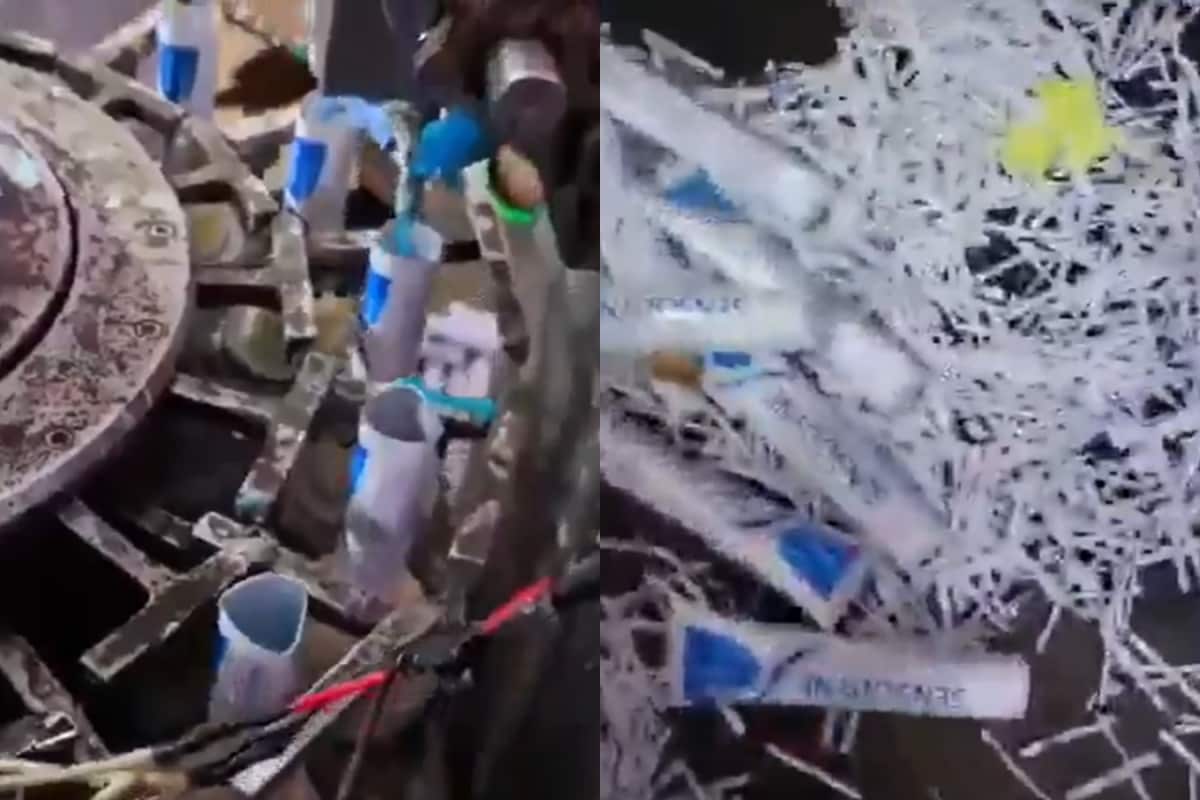
In the bustling streets of Delhi, where the morning sun casts a golden hue over the city, a startling truth has emerged about the everyday item that millions of people use to brush their teeth. The toothpaste that many Indians rely on to keep their smiles pristine and their breath fresh is not what it seems. In a shocking revelation, it has been discovered that a significant portion of the toothpaste sold in the city is fake, yet the legal penalties for such fraud are as lenient as those for minor food adulteration.
The story unfolds in Kanjhawala, a small industrial town located on the outskirts of Delhi. This unassuming place has become the epicenter of a scandalous operation where counterfeit toothpaste is produced and distributed across the city. The makers of this fake toothpaste are operating with impunity, knowing that the legal system's response to their actions is as mild as it is inadequate.
The Indian Penal Code (IPC) stipulates that food adulteration, including the sale of fake or adulterated food items, carries a maximum sentence of six months. This legal framework is designed to deter individuals from engaging in such practices. However, the irony lies in the fact that the same legal ceiling applies to those who water down milk, a practice that is relatively harmless compared to the potential dangers posed by fake toothpaste.
The consequences of using fake toothpaste are far from trivial. These counterfeit products often contain toxic substances, such as lead or mercury, which can cause severe health issues, including neurological damage and kidney failure. Moreover, the lack of proper ingredients in these toothpastes can lead to gum disease, tooth decay, and other oral health problems. Despite these risks, the lenient legal penalties have not deterred the production and sale of fake toothpaste in Delhi.
The Kanjhawala operation is just one example of how the legal system's inadequate response to food adulteration has allowed criminals to thrive. The ease with which these fake toothpaste manufacturers operate is a testament to the loopholes in the current legal framework. The lack of stringent penalties has led to a culture of impunity, where the potential profits from producing and selling fake toothpaste far outweigh the risks of being caught.
The authorities have acknowledged the issue, but their response has been slow and ineffective. Law enforcement agencies have conducted raids on several fake toothpaste factories in Kanjhawala, seizing large quantities of the counterfeit product. However, the scale of the operation is such that new factories continue to pop up, and the supply of fake toothpaste remains uninterrupted.
Consumers in Delhi are unaware of the dangers they are facing every time they brush their teeth with fake toothpaste. Many trust the brand names on the packaging, assuming that they are purchasing genuine products. The lack of proper labeling and the absence of regulatory measures have made it difficult for consumers to distinguish between real and fake toothpaste.
The government has been urged to review the legal provisions governing food adulteration to ensure that the penalties are proportionate to the risks involved. Experts have suggested that the maximum sentence for food adulteration, including the sale of fake toothpaste, should be significantly increased to act as a deterrent. Additionally, stricter regulatory measures are needed to ensure that consumers are protected from such harmful practices.
In the meantime, consumers in Delhi are left to wonder about the safety of their daily toothpaste routine. The story of the fake toothpaste makers in Kanjhawala serves as a stark reminder of the importance of vigilance and the need for a robust legal framework to protect public health. As the sun sets over Delhi, casting long shadows across the city, the truth about the toothpaste that millions use every morning remains a chilling secret, hidden in plain sight.