
Pentagon memo orders removal of Anthropic AI technology from key national systems
CBS News exclusively obtained a Pentagon memo from earlier this month that went out to several senior defense leaders and commanders. It ordered the removal of Anthropic's AI technology from key national systems. Jo Ling Kent reports.
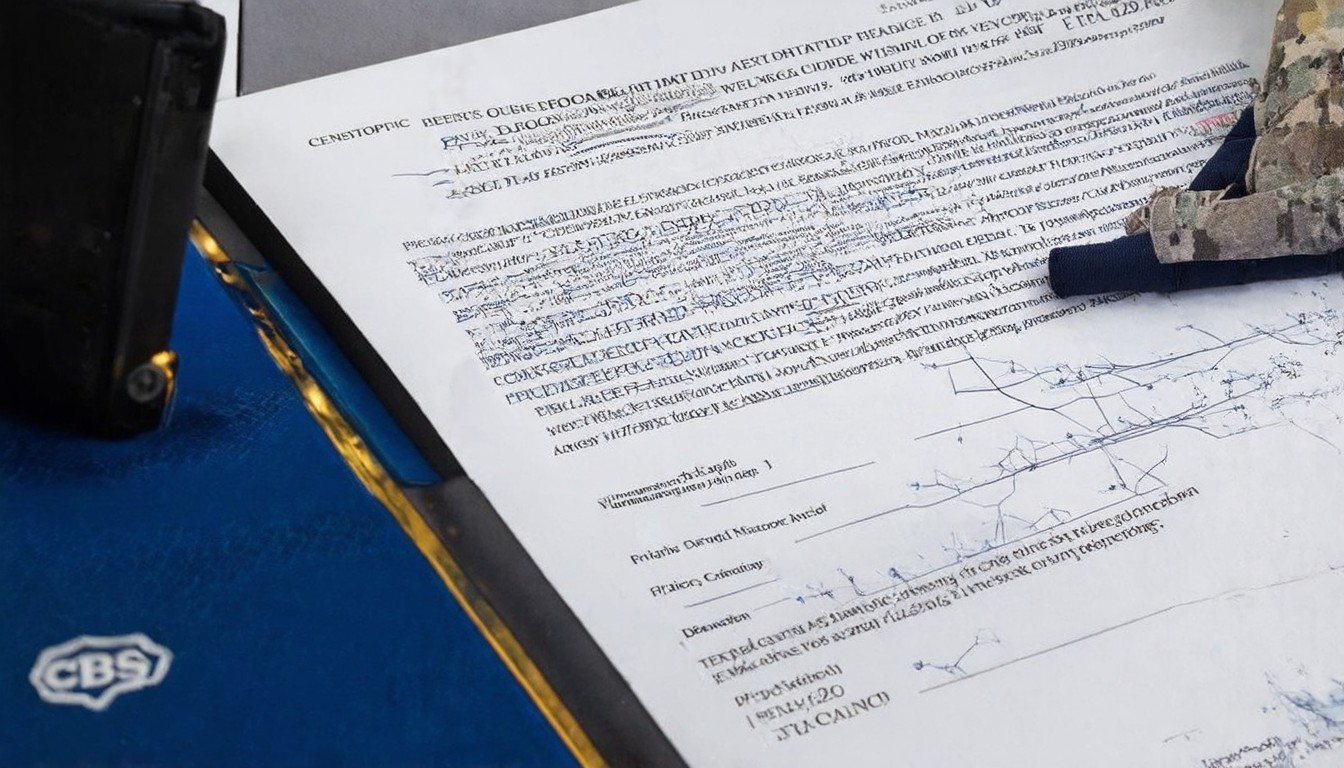
CBS News has exclusively obtained a Pentagon memo from earlier this month that was sent to several senior defense leaders and commanders. The memo orders the removal of Anthropic's AI technology from key national systems. This development comes as a surprise to many, given the increasing reliance on AI in military operations and intelligence gathering.
The memo, which was circulated among top defense officials, emphasizes the need to prioritize the security and integrity of national systems. It highlights concerns about the potential risks associated with Anthropic's AI technology, including potential vulnerabilities that could be exploited by adversaries. The Pentagon has not yet provided a detailed explanation of the specific issues with Anthropic's AI, but the directive is clear: the technology must be phased out from critical systems.
Anthropic, a San Francisco-based AI company, has been gaining traction in recent years for its natural language processing capabilities. The company's AI has been integrated into various applications, including those used by the U.S. military. However, the Pentagon's decision to remove Anthropic's technology suggests that concerns about security and reliability have outweighed any potential benefits.
The memo's timing is significant, as the U.S. military has been increasingly adopting AI technologies to enhance its capabilities. The integration of AI in defense systems has been seen as a way to improve decision-making, optimize operations, and gain a strategic advantage. The Pentagon's move to remove Anthropic's AI technology from key systems could signal a broader reassessment of the risks and benefits associated with AI adoption in national security contexts.
Senior defense officials have been briefed on the decision, and the memo outlines a plan for the phased removal of Anthropic's technology. The process is expected to be gradual, with a focus on minimizing disruptions to ongoing operations. However, the exact timeline for the removal has not been specified, and it remains unclear whether other AI technologies will face similar scrutiny.
The Pentagon's decision to act on the memo raises questions about the oversight and evaluation processes for AI technologies used in national security. It is unclear whether Anthropic's AI was subjected to rigorous security assessments before being integrated into key systems. The memo does not specify whether the decision to remove the technology was based on specific incidents or a broader risk assessment.
Anthropic has not yet responded to the Pentagon's directive, but the company has previously emphasized its commitment to security and transparency. The company's founders, including Otniel "Oti" Continetti, have spoken about the importance of building AI systems that are robust and trustworthy. The Pentagon's move to remove Anthropic's technology from national systems could have significant implications for the company's reputation and future business opportunities.
The Pentagon's decision to prioritize the security of national systems by removing Anthropic's AI technology is a stark reminder of the evolving landscape of AI in defense and national security. As AI technologies continue to advance, the need for robust security measures and rigorous evaluation processes will become even more critical. The Pentagon's move may set a precedent for how AI technologies are vetted and integrated into national security systems, ensuring that they are both effective and secure.
In conclusion, the Pentagon's memo ordering the removal of Anthropic's AI technology from key national systems highlights the growing concerns about the security and reliability of AI in defense applications. While the exact reasons for the decision remain unclear, the Pentagon's action underscores the importance of careful evaluation and oversight of AI technologies used in national security contexts. As the U.S. military and other nations continue to integrate AI into their operations, the Pentagon's decision serves as a cautionary note about the potential risks and the need for robust security measures.









