
PeckBirdy Framework Tied to China-Aligned Cyber Campaigns
PeckBirdy command-and-control framework targeting gambling, government sectors in Asia since 2023 has been linked to China-aligned APTs
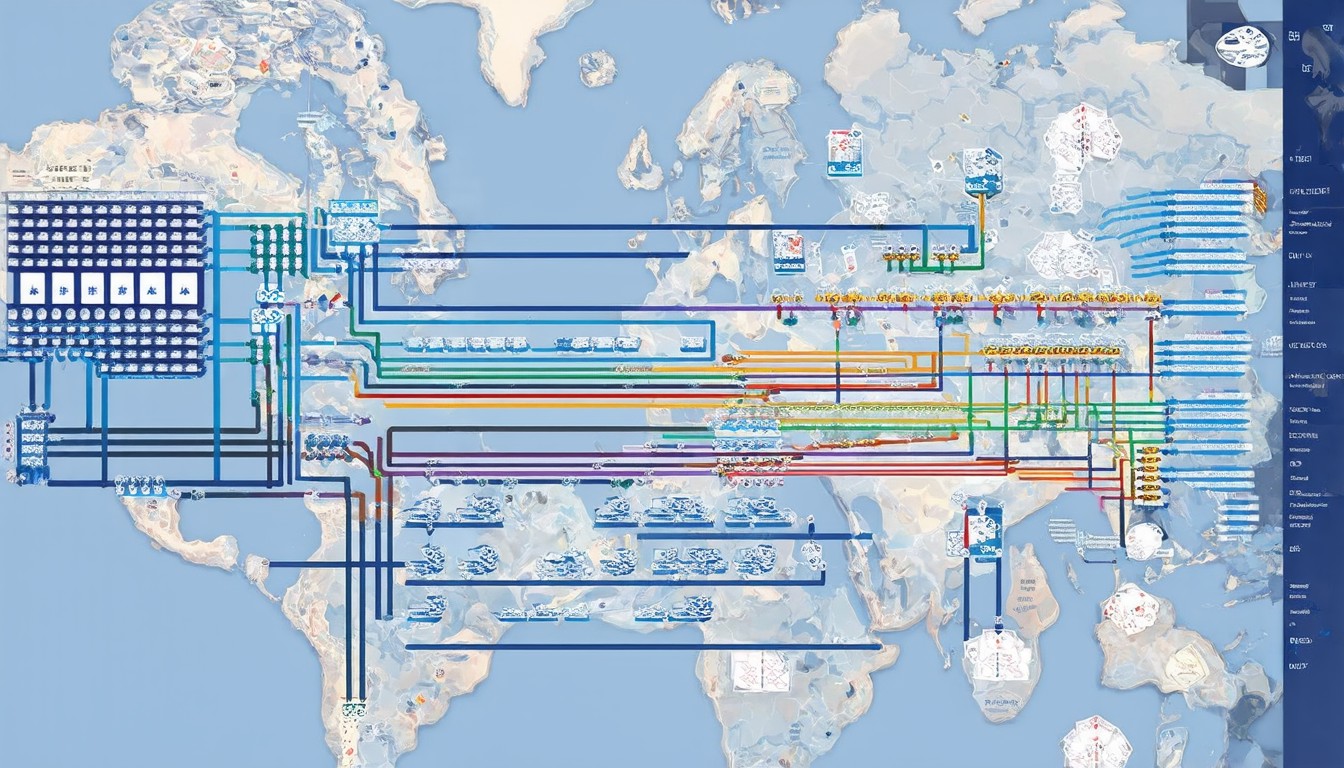
In recent developments, the PeckBirdy command-and-control (C2) framework has been identified as a key tool used by China-aligned advanced persistent threats (APTs) to target critical infrastructure and sensitive sectors in Asia. Since its emergence in 2023, PeckBirdy has been employed in cyber operations against gambling platforms and government agencies, raising concerns about the extent of China's involvement in covert cyber activities.
The PeckBirdy framework is designed to facilitate stealthy communication between malicious actors and their command-and-control servers. It is capable of evading traditional detection methods, making it a formidable challenge for cybersecurity experts. The framework's primary targets have been identified as gambling sectors, which are often lucrative and poorly protected, as well as government agencies in Asia. This dual focus suggests a strategic intent to disrupt both economic activities and political systems in the region.
Initial investigations by cybersecurity firms have linked PeckBirdy to a group of China-aligned APTs, known for their sophisticated and targeted attacks. These APTs are believed to operate under the auspices of the Chinese government, leveraging state-sponsored capabilities to execute their operations. The involvement of China-aligned entities raises significant geopolitical concerns, as it indicates a potential escalation in cyber warfare between nations.
One of the key features of the PeckBirdy framework is its ability to adapt to changing network environments. It utilizes a combination of encryption techniques and domain generation algorithms to avoid detection by security systems. This adaptability has allowed the framework to remain operational for an extended period, despite ongoing efforts to identify and mitigate its impact.
The targeting of gambling sectors by PeckBirdy is particularly concerning, as these platforms often handle large volumes of sensitive data, including financial transactions and user information. By infiltrating these systems, the attackers can gain access to valuable intelligence, which could be used for further malicious activities or financial gain. Additionally, the targeting of government agencies highlights the potential for state-sponsored cyber espionage, as the stolen data could be used to influence political decisions or expose vulnerabilities in national security.
Cybersecurity experts have been working diligently to understand the full scope of the PeckBirdy framework and its associated APTs. By analyzing the framework's code and tracking its activities, researchers aim to develop effective countermeasures and improve defenses against similar threats. Collaboration between international cybersecurity organizations is crucial in this effort, as the global nature of cyber threats necessitates a unified response.
The linkage of PeckBirdy to China-aligned APTs has prompted calls for increased transparency and accountability in state-sponsored cyber activities. Many countries are pushing for stronger international regulations to curb such practices, while others are enhancing their own cybersecurity capabilities to better protect against such threats. The case of PeckBirdy serves as a stark reminder of the evolving landscape of cyber warfare and the need for continuous vigilance in the face of sophisticated adversaries.
In conclusion, the PeckBirdy framework's association with China-aligned APTs underscores the growing complexity of cyber threats and the challenges they pose to global security. As these adversaries continue to refine their tactics, the cybersecurity community must remain adaptable and proactive in its efforts to protect critical infrastructure and sensitive data. The ongoing investigation into PeckBirdy and its operators will likely reveal more about the extent of China's involvement in cyber espionage and shape future strategies for mitigating such threats.









