
Partnerships and hiring data show AI companies are expanding beyond Nvidia chips
Nvidia isn’t the only AI chip supplier in town. Early signals in hiring and partnerships show the compute mix starting to split. Lead times, cost, and concentration risk are pushing teams to add a second path. Availability of compute remains … The post Partnerships and hiring data show AI companies are expanding beyond Nvidia chips appeared first on CB Insights Research .
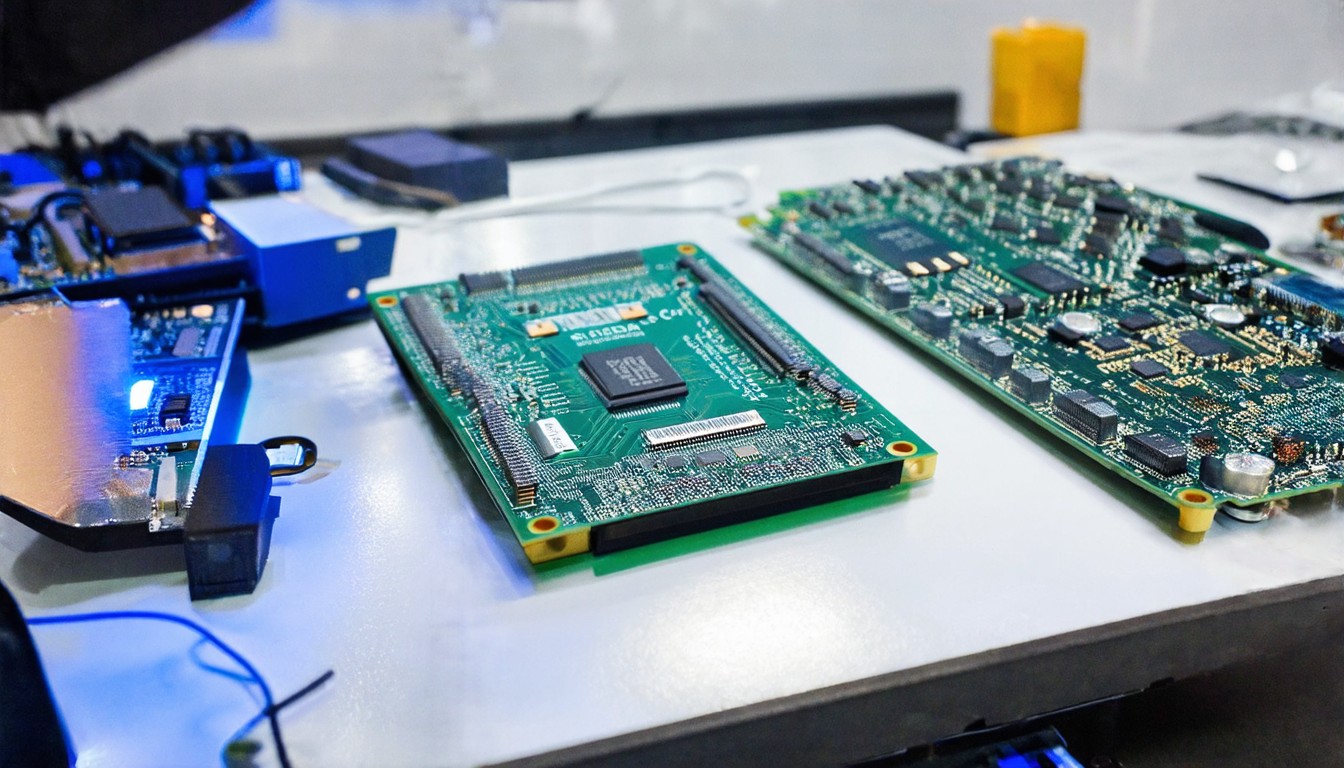
Nvidia has long been the dominant force in the AI chip market, but recent partnerships and hiring trends are signaling a shift as companies look to diversify their compute sources. While Nvidia's software and hardware ecosystem remains strong, the increasing demand for AI solutions has led to tighter lead times, higher costs, and a concentration risk that is pushing teams to seek alternative suppliers. This move towards a multi-chip market is driven by the need to widen capacity beyond a single vendor, as the availability of compute remains tight.
Anthropic, a leading AI company, is an early example of this diversification. The firm is collaborating with Amazon to develop its Trainium AI chips, which will be used to train Anthropic's next Claude model. Additionally, Anthropic is expanding its use of Google's TPU chips, thereby increasing its compute capacity beyond reliance on Nvidia hardware. This strategic shift not only adds alternative compute options but also reduces dependence on a single vendor.
Nvidia's historic dominance in the AI chip space can be attributed to its CUDA software platform and programming model, which enables efficient AI execution on its GPUs. The supporting toolchain compresses the time required to adopt the technology and reduces delivery risk. For most teams, switching to an alternative supplier would mean rewriting code, retraining personnel, and revalidating models—a significant barrier known as the "switching tax." CB Insights customer sentiment interviews highlight this lock-in effect. For instance, a founder at a software engineering company noted, "Since all of our infrastructure is built on CUDA, the main challenge in switching is the infrastructure and software ecosystems. The learning cost is unknown, and that uncertainty is a barrier."
The lock-in effect also manifests in AI company hiring data. For example, Baseten, a startup focused on AI infrastructure, is hiring a GPU Kernel Engineer, indicating a continued reliance on Nvidia's hardware. However, as the AI industry grows, the need for alternative compute solutions becomes increasingly apparent.
Beyond Anthropic, there are other signals of a multi-chip market. Partnerships and hiring activities across various AI companies are reflecting a growing interest in diversifying their compute sources. While Nvidia's ecosystem remains a powerful draw, the improvements in alternatives have made it feasible for companies to hedge their bets.
In conclusion, the AI chip market is undergoing a significant transformation, with companies increasingly looking to diversify their compute sources beyond Nvidia. Although Nvidia's dominance is rooted in its robust software and hardware ecosystem, the growing demand for AI solutions and the associated risks are driving a shift towards a multi-chip market. As Anthropic and other companies demonstrate, the move towards diversification is not only about adding alternative compute options but also about mitigating risks and ensuring resilience in an ever-evolving industry landscape.









