Parmesan exports doing grate... but sales melt in Italy
For the first time more than half of Parmesan cheese was exported, as Italy's population declines and consumers watch their spending, producers said. Exports of the flavourful hard…
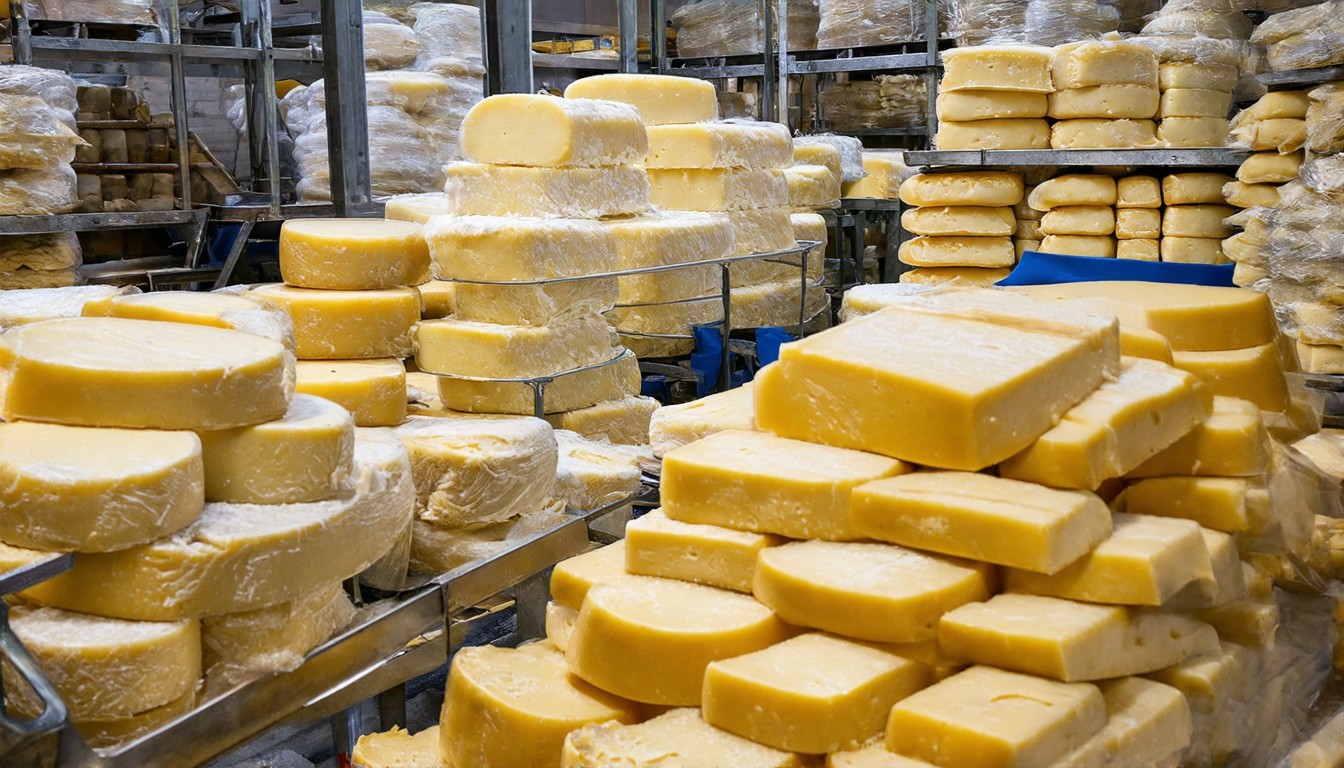
In recent years, the global demand for Parmesan cheese has been on the rise, but the situation in Italy, the birthplace of this iconic product, is quite different. For the first time, more than half of Parmesan cheese is being exported, as the country's population continues to decline and domestic consumers become more price-sensitive. This shift in the market has significant implications for both Italian producers and the global food industry.
Parmesan, a hard, aged cheese made from cow's milk, has long been a staple in Italian cuisine and a symbol of culinary heritage. However, the changing demographics and economic conditions in Italy have led to a decline in domestic consumption. With an aging population and a struggling economy, many Italians are cutting back on luxury foods, including Parmesan. This has forced producers to look beyond their traditional market and seek new opportunities abroad.
The decline in Italy's population, which has fallen by nearly 500,000 since 2011, has reduced the number of potential consumers for Parmesan. Additionally, the country's high cost of living has made even affordable foods like cheese less accessible to many. As a result, the focus has shifted to export markets, particularly in Asia, North America, and Eastern Europe, where demand for Italian cheeses remains strong.
The rise in Parmesan exports is also driven by the product's versatility and popularity in international cuisine. Parmesan is a key ingredient in dishes like pasta carbonara, risotto alla parmigiana, and as a topping for salads and pizza. Its distinct flavor and texture have made it a favorite among chefs and home cooks worldwide.
However, the increased focus on exports is not without its challenges. Producers must navigate complex regulations and competition in foreign markets, which can be difficult and costly. Moreover, the shift in focus away from domestic sales could lead to a loss of cultural heritage, as Parmesan is deeply intertwined with Italian identity.
Despite these challenges, Italian producers are adapting to the changing market dynamics. Many are investing in marketing and quality control to ensure that their Parmesan meets the high standards expected by international consumers. Additionally, some producers are exploring alternative production methods, such as using local, sustainable resources, to appeal to environmentally conscious buyers.
The decline in domestic Parmesan consumption also highlights a broader trend in Italy's food industry. As the country's population continues to shrink and its economy struggles, many traditional industries are being forced to reevaluate their business models. For Parmesan producers, this means balancing the need to preserve their heritage with the necessity of adapting to a global market.
In conclusion, the export of Parmesan cheese has reached unprecedented levels as Italy's population declines and domestic consumers become more price-conscious. While this shift presents challenges for producers, it also offers opportunities to expand into new markets and redefine the product's role in both Italian and global cuisine. As the demand for Parmesan grows abroad, the future of this iconic cheese will be shaped by the delicate balance between tradition and innovation.