Parliament Special Session To Push Women’s Quota Bill: PM Modi Rules Out Lok Sabha Seat Cut
PM Modi says Parliament will meet April 16 to 18 to advance womens reservation law, plans to expand Lok Sabha seats from 2029.
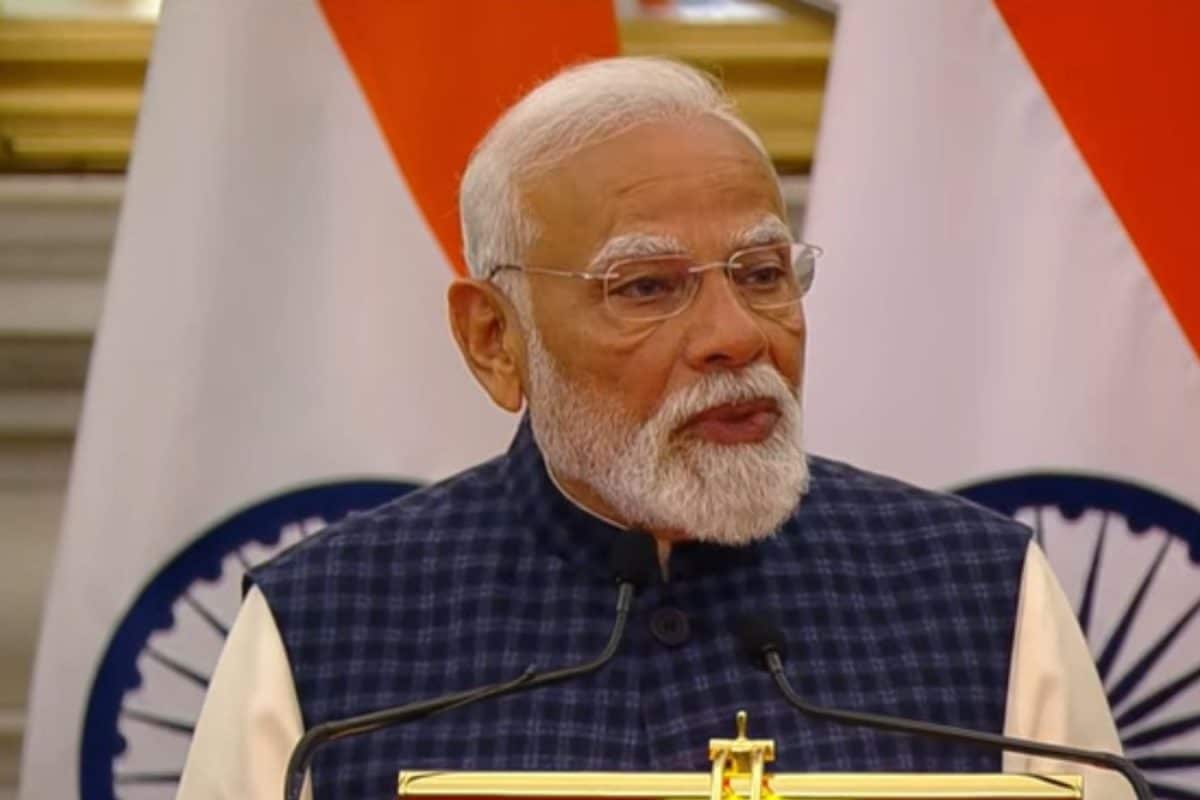
The Indian Parliament is set to convene for a special session from April 16 to 18, with the primary agenda being the advancement of a women’s quota bill. Prime Minister Narendra Modi has announced this development, emphasizing the government’s commitment to expanding women’s representation in the country’s political sphere. Additionally, Modi has ruled out any immediate reduction in the number of Lok Sabha seats, which has been a point of contention in recent years.
The upcoming parliamentary session marks a significant milestone in the ongoing efforts to enhance women’s political participation and ensure gender equality in India. The women’s reservation bill, which aims to increase the number of seats reserved for women in the Lok Sabha, has been a contentious issue for years. The current legislation provides for 33% reservation for women in the lower house, but there have been calls for an increase to 50% to reflect the proportion of women in the population.
During the special session, lawmakers are expected to discuss and potentially pass amendments to the Representation of the People Act (ROPA) to increase the women’s quota. The government has been under pressure to act on this issue, with various civil society groups and political parties advocating for a higher reservation rate. The proposed changes would not only increase the number of women in the Lok Sabha but also have a cascading effect on state legislative assemblies, where similar reservation targets apply.
In addition to the women’s quota bill, the special session will also address the government’s plans to expand the Lok Sabha from its current 545 seats to 552 seats by 2029. This expansion is part of a larger effort to revamp India’s electoral system and address the growing population. However, critics have raised concerns about the feasibility of such a rapid increase in the number of seats, citing logistical challenges and potential dilution of the vote.
In response to these concerns, Prime Minister Modi has clarified that there will be no immediate reduction in the number of Lok Sabha seats. This move aims to reassure lawmakers and stakeholders that the government is not considering a reduction in the current seat count. Instead, the focus will be on expanding the electoral base and ensuring that the electoral system remains efficient and effective.
The special session of Parliament is expected to draw intense debate and discussion among lawmakers. While the women’s quota bill has broad support, there may be disagreements over the exact percentage and the timeline for implementation. Similarly, the expansion of the Lok Sabha will likely be a point of contention, with some members advocating for a more gradual approach.
The decision to convene a special session for these critical issues highlights the government’s commitment to addressing gender equality and political representation. By prioritizing the women’s quota bill and expanding the Lok Sabha, the Modi administration is sending a strong signal that it is serious about ensuring women’s participation in the political process and adapting to the changing demographic landscape of the country.
In conclusion, the upcoming special session of the Indian Parliament will focus on advancing the women’s quota bill and expanding the Lok Sabha. While the government has ruled out any immediate reduction in the number of seats, it remains committed to revamping the electoral system to accommodate India’s growing population. The passage of the women’s reservation bill would mark a significant step towards gender equality and increased political representation for women in India. As the session unfolds, it will be interesting to see how lawmakers navigate these complex issues and reach a consensus on the best course of action for the nation.