Panchaloha idols made without a drop of gold: Madras High Court stays case before Kancheepuram court
The police had accused a former HR&CE Commissioner, an Additional Commissioner, a sculptor, and six others of having swindled hundreds of sovereigns of gold donated by devotees of Ekambaranathar Temple in Kancheepuram
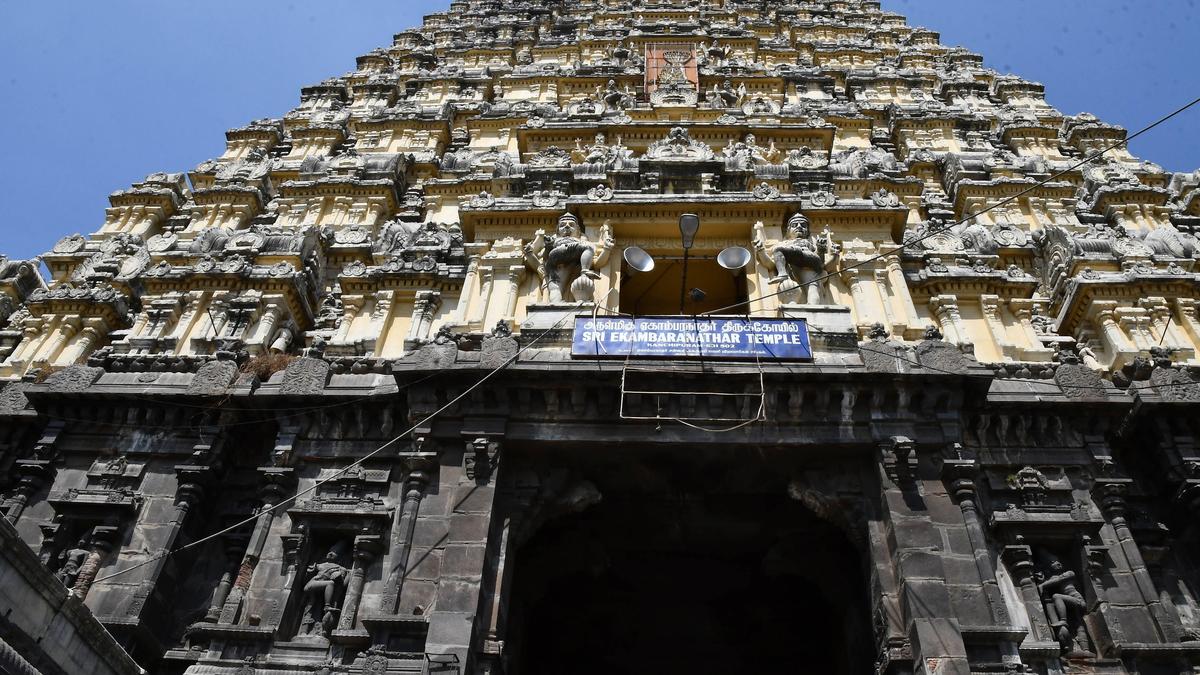
The Madras High Court has intervened in a case involving the alleged swindling of gold donations meant for the creation of Panchaloha idols at the Ekambaranathar Temple in Kancheepuram. The case, which was initially filed in the Kancheepuram court, has been stayed by the Madras High Court, raising questions about the integrity of the temple's gold donations and the involvement of high-ranking officials.
The police had accused a former HR&CE Commissioner, an Additional Commissioner, a sculptor, and six others of orchestrating a scheme to defraud devotees who donated gold sovereigns for the construction of the idols. The temple, known for its historical significance and religious importance, had received numerous gold donations from devotees across the state and beyond, with the intention of creating idols made from five metals—Panchaloha—a traditional practice in Hindu temples.
The accused, including the former HR&CE Commissioner and the Additional Commissioner, were allegedly involved in the administration and management of the temple's affairs. Their roles in the case have raised concerns about the potential misuse of public and religious trust. The sculptor, who was supposed to create the idols using the donated gold, is also implicated in the case, raising questions about the actual use of the gold and the quality of the idols produced.
The case has drawn attention to the challenges faced by religious institutions in managing donations and ensuring transparency in their operations. The Ekambaranathar Temple, like many other temples in Tamil Nadu, relies heavily on donations from devotees for its upkeep and development. However, the allegations of fraud and mismanagement have cast a shadow over the temple's reputation and the trust placed in its administrators by the devotees.
The Madras High Court's decision to stay the case before the Kancheepuram court indicates that the matter is complex and requires a thorough investigation. The court's intervention suggests that it is taking the allegations seriously and wants to ensure a fair and impartial trial. This development has also prompted calls for greater transparency and accountability in the management of temple affairs, as well as stricter regulations on the handling of donations.
The case has sparked a wider debate about the role of religious institutions in society and the need for proper governance and oversight. Many have argued that temples, like other institutions, should be held to the same standards of accountability and transparency. The allegations of gold swindling have also raised questions about the extent of corruption and mismanagement within the administration of religious institutions.
As the case unfolds, it remains to be seen how the Madras High Court will handle the matter and whether the accused will face justice. The temple administration, on the other hand, is facing pressure to demonstrate its commitment to transparency and to restore the faith of devotees who had donated their gold in good faith. The outcome of this case could have far-reaching implications for the management of religious institutions and the way donations are handled in Tamil Nadu and beyond.
In the meantime, the Ekambaranathar Temple continues to function, albeit under a cloud of suspicion. Devotees and onlookers are watching closely as the legal proceedings unfold, eager to see if justice will be served and if the temple can emerge from this ordeal with a renewed sense of integrity and trustworthiness. The case serves as a stark reminder of the importance of accountability and the need for robust systems to prevent such fraudulent activities from happening in the future.