Pakistan’s Peacemaking Is a Setback for India
As Islamabad positions itself as a mediator in the Iran war, New Delhi is sidelined.
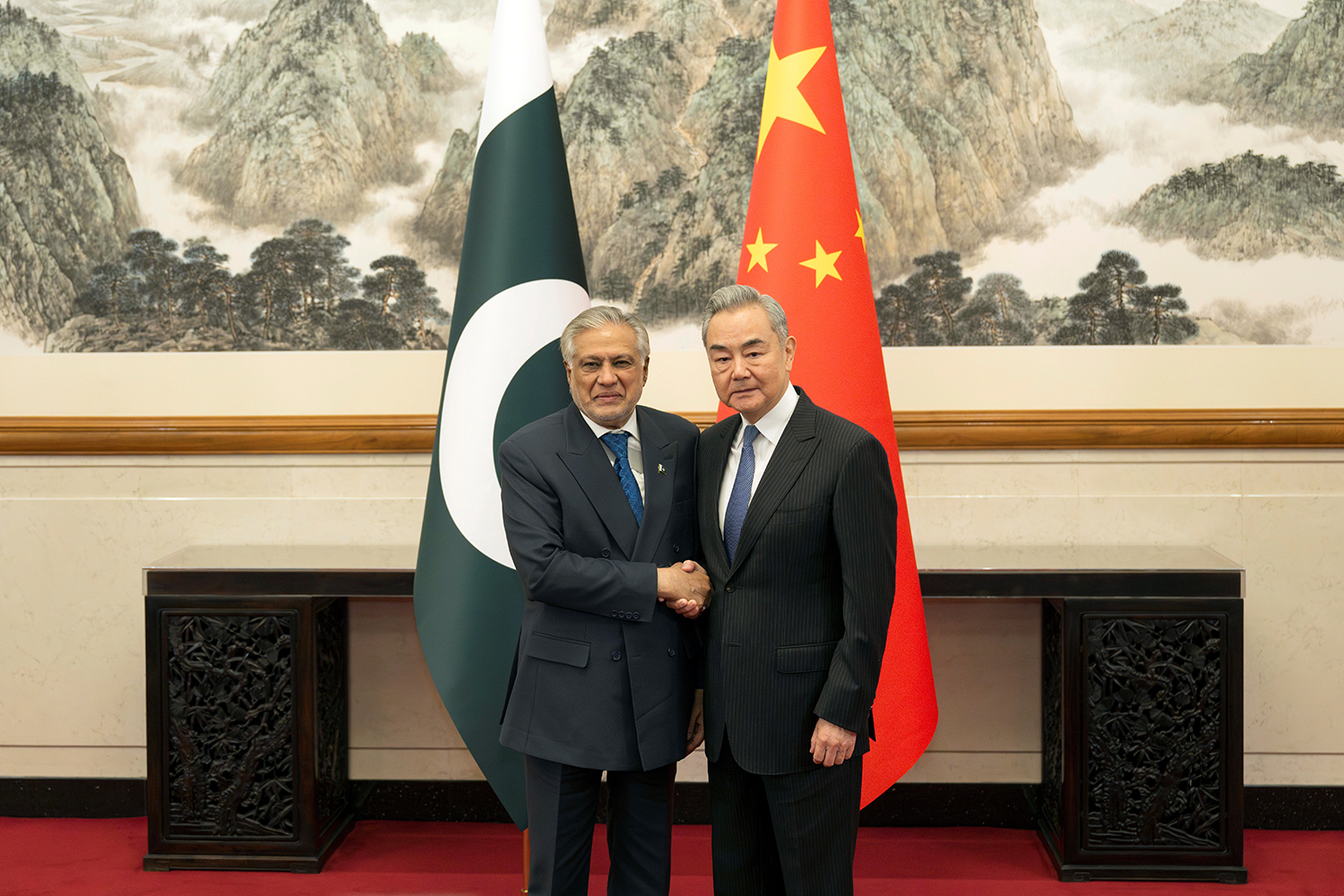
In recent developments, Pakistan's efforts to mediate in the ongoing conflict involving Iran have left India feeling sidelined and marginalized. As Islamabad steps forward as a potential mediator, New Delhi's role in the region's diplomatic landscape has been diminished, raising concerns about the balance of power and the future of South Asian relations.
The Iran war, which has been raging for several months, has drawn international attention and prompted various countries to seek peaceful resolutions. Pakistan, traditionally known for its strategic positioning in the region, has taken the opportunity to position itself as a mediator. This move has been seen as an attempt to assert its influence and strengthen its diplomatic standing, particularly in the face of growing tensions with India.
India, on the other hand, has been left out of the mediation process, which has led to a sense of frustration and disappointment in New Delhi. The Indian government has expressed concerns about the lack of consultation and the potential impact on regional stability. As the conflict in Iran escalates, the role of a mediator becomes increasingly crucial, and India's exclusion from the negotiations has been viewed as a setback for its diplomatic efforts.
The sidelining of India can be attributed to several factors. Firstly, Pakistan's historical ties with Iran, dating back to the 1979 Iranian Revolution, have provided it with a unique perspective and credibility in the mediation process. Pakistan's close relations with Iran, including economic and strategic partnerships, have given it a platform to engage in dialogue with both warring parties.
Secondly, Pakistan's decision to act as a mediator may be seen as a strategic move to counterbalance India's influence in the region. By positioning itself as a neutral mediator, Pakistan aims to improve its international image and reduce its isolation, which has been a consequence of its strained relations with the United States and other Western countries.
The exclusion of India from the mediation process has also been influenced by the long-standing tensions between India and Pakistan. The two countries have a history of conflict, particularly over the disputed territory of Kashmir, which has often led to mistrust and rivalry. As Pakistan takes on the role of mediator, India perceives this as an opportunity for its rival to assert dominance in the region.
The implications of this setback for India are significant. It not only affects India's diplomatic standing but also raises questions about its ability to influence regional affairs. As the conflict in Iran continues, India's exclusion from the mediation process may lead to a power vacuum in South Asia, which could be exploited by other regional and global powers.
Moreover, the sidelining of India could have repercussions for the broader Indo-Pakistan relationship. The two countries have been working towards improving their ties in recent years, with initiatives such as the Pakistan-India Economic Corridor and the resumption of the Joint Steering Committee. However, the current situation has put these efforts under strain, as India feels that Pakistan is prioritizing its own interests over the regional stability that both countries are supposed to uphold.
In conclusion, Pakistan's role as a mediator in the Iran war has left India feeling sidelined and marginalized. This development not only impacts the balance of power in South Asia but also raises concerns about the future of Indo-Pakistani relations. As the conflict continues, it will be crucial for both countries to navigate these challenges and work towards a common vision for regional stability and peace.