Pakistan’s peace plan a ‘critical opportunity’ for US-Iran talks ahead of Trump deadline
As US President Donald Trump’s Tuesday deadline for reopening the Strait of Hormuz approached, Pakistan put forward a fresh proposal for an immediate ceasefire on Monday, offering what one analyst described as “a critical opportunity” for talks. The plan was brokered through overnight contacts between Pakistani army chief Asim Munir, US officials including Vice-President J.D. Vance and Iran’s Foreign Minister Abbas Araghchi, according to Reuters. It called for an immediate halt to hostilities...
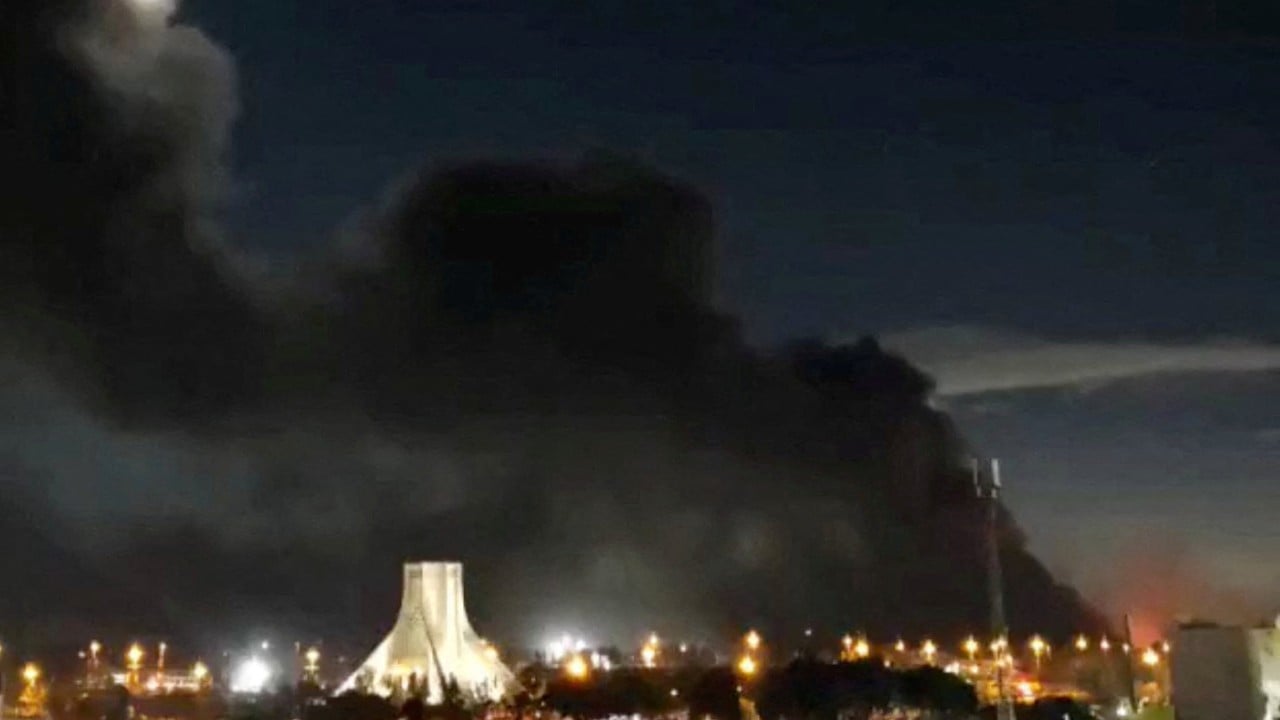
As US President Donald Trump’s deadline for reopening the Strait of Hormuz approached, Pakistan emerged as a mediator in the escalating tensions between the United States and Iran, proposing a fresh plan for an immediate ceasefire. The proposal, brokered through overnight contacts between Pakistani army chief Asim Munir, US officials including Vice-President J.D. Vance, and Iran’s Foreign Minister Abbas Araghchi, was seen as a critical opportunity for dialogue and de-escalation.
The plan, which gained attention from analysts and observers, called for an immediate halt to hostilities between the two adversaries. This move by Pakistan highlighted its role as a potential mediator in the ongoing crisis, a role that has been increasingly important in regional diplomacy. The involvement of high-ranking officials from all three nations underscored the urgency of the situation and the need for a swift resolution.
The Strait of Hormuz, a crucial chokepoint for global oil supplies, had become the focal point of US-Iran tensions, with both sides threatening military action. Trump’s ultimatum for Iran to reopen the strait had created a tense atmosphere, with the international community watching closely for any escalation. In this context, Pakistan’s peace proposal offered a much-needed opportunity for diplomatic engagement.
The proposal was the result of intense behind-the-scenes negotiations, with Pakistan acting as a bridge between the two adversaries. The involvement of the Pakistani army chief, Asim Munir, signaled the country’s commitment to peace and stability in the region. Meanwhile, US Vice-President J.D. Vance and Iran’s Foreign Minister Abbas Araghchi’s participation demonstrated their respective nations’ willingness to engage in dialogue.
The ceasefire plan, while not publicly detailed, was expected to address the underlying issues contributing to the tensions. Analysts suggested that it might involve measures to ensure the safety of shipping in the strait, reduce military presence in the region, and promote diplomatic channels for resolving disputes. The proposal’s success would depend on the willingness of both the US and Iran to engage in meaningful negotiations.
The timing of Pakistan’s proposal was significant, as it coincided with Trump’s deadline. This suggested that the Pakistani government was eager to prevent any potential military confrontation that could have far-reaching consequences for global energy markets and regional stability. The proposal also highlighted the importance of multilateral diplomacy in addressing complex geopolitical challenges.
While the immediate impact of Pakistan’s peace plan remains uncertain, its existence serves as a reminder of the potential for diplomatic solutions in times of crisis. The involvement of key officials from all three nations indicates a shared recognition of the need for dialogue and cooperation. As the deadline approaches, the international community will be watching closely to see if this critical opportunity for talks will yield a lasting resolution to the US-Iran tensions.
In the broader context, Pakistan’s role as a mediator in this crisis reflects its strategic position in the region. The country, which has historically been a key player in South Asian diplomacy, is now taking on a more active role in addressing global security challenges. This development could have implications for Pakistan’s relations with both the US and Iran, as well as its standing in the international community.
Ultimately, the success of Pakistan’s peace plan will depend on the ability of the US and Iran to set aside their differences and engage in constructive dialogue. The proposal offers a chance for both nations to reconsider their strategies and work towards a more stable and peaceful region. As the deadline looms, the world watches with hope for a diplomatic breakthrough that could avert the risks of military conflict and its potentially catastrophic consequences.