Pakistan to Repay USD 3.5 Billion UAE Debt by April-End, Early Repayment Decision Amid Changing Terms
Pakistan will clear its entire USD 3.5 billion debt to the United Arab Emirates (UAE) by the end of April, following a request from the Gulf state for an immediate repayment. According to media reports, a senior Pakistani cabinet minister confirmed the development, stating that the political leadership had taken the decision and that the […] The post Pakistan to Repay USD 3.5 Billion UAE Debt by April-End, Early Repayment Decision Amid Changing Terms appeared first on Tfipost.com .
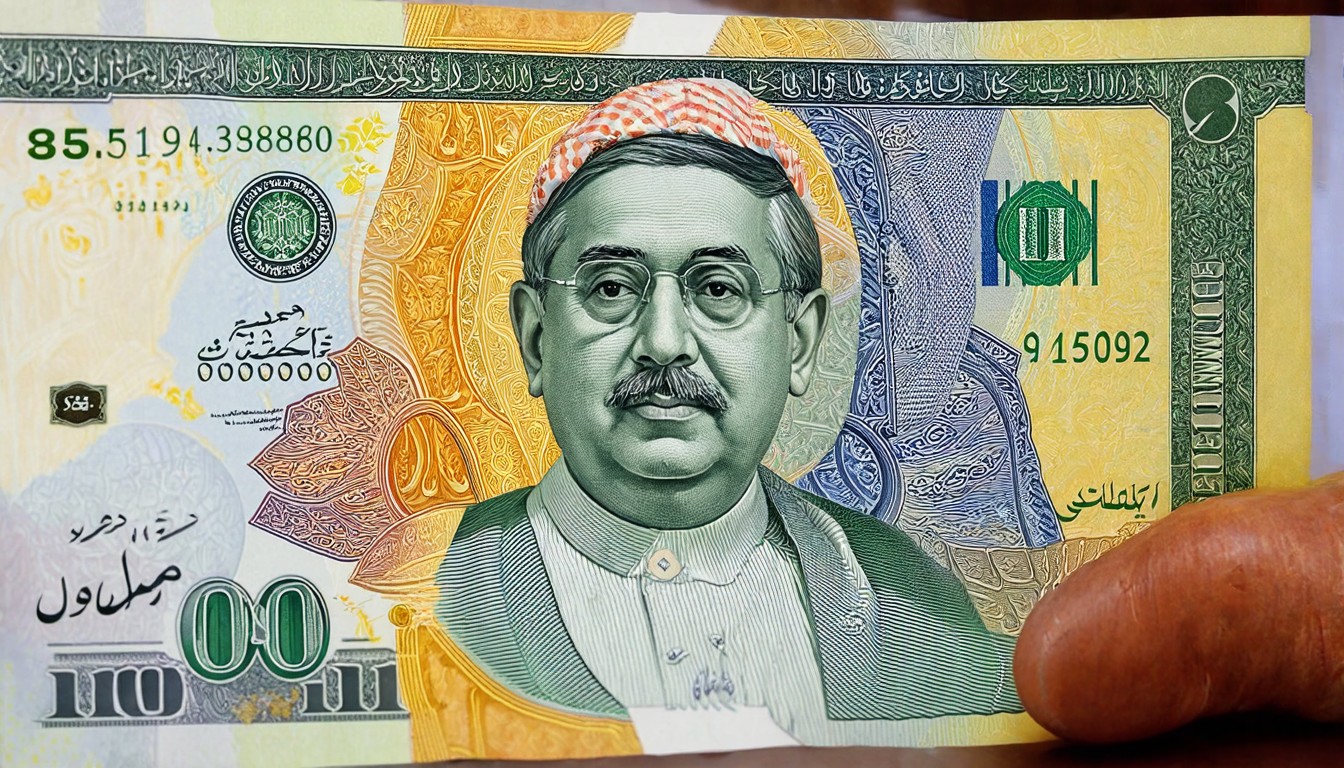
Pakistan is set to repay its entire USD 3.5 billion debt to the United Arab Emirates (UAE) by the end of April, following a request from the Gulf state for an immediate repayment. This development was confirmed by a senior Pakistani cabinet minister, who stated that the political leadership had taken the decision to clear the full amount. The move comes amid evolving dynamics in Pakistan-UAE financial ties, as the UAE has recently shown reluctance to extend long-term rollovers, opting instead for short-term extensions.
Of the total debt, USD 450 million dates back to a one-year loan taken in 1996–97, which is now set to be cleared after nearly three decades. The decision to repay the debt in full reflects the changing terms of the financial relationship between the two countries. Parallel discussions are underway regarding the possibility of converting part of the outstanding amount into investment, according to senior officials quoted by The Express Tribune.
The UAE’s financial assistance to Pakistan has a history that spans several decades. In recent years, the UAE has been a key supporter, contributing to Pakistan’s financial stability. Under the USD 7 billion International Monetary Fund (IMF) programme, the UAE, Saudi Arabia, and China had committed to maintaining a combined USD 12.5 billion in deposits with the State Bank of Pakistan (SBP) until the programme concludes in September 2027. Efforts to secure relief had continued in recent months, with SBP Governor Jameel Ahmad requesting a two-year rollover of USD 2.5 billion in UAE debt at a reduced interest rate. Prime Minister Shehbaz Sharif also raised the matter with the UAE President, stating publicly that a rollover had been agreed, though without providing specifics.
The ongoing US-Israel-Iran conflict has accelerated decision-making, ultimately leading to the current repayment plan. In January, two USD 1 billion loans maturing on January 16 and 22 were rolled over for just one month at an interest rate of 6.5 per cent, despite Pakistan seeking a two-year extension at roughly 3 per cent. This shift in the UAE’s lending approach highlights the changing nature of the financial relationship between the two countries.
The decision to repay the debt by April-end demonstrates Pakistan’s commitment to financial transparency and stability. While the immediate repayment may present short-term challenges, it also opens up opportunities for restructuring the debt and potentially converting part of it into investment. This could lead to long-term benefits for both Pakistan and the UAE, as they continue to navigate the complexities of their financial ties in the context of global geopolitical dynamics.
In conclusion, Pakistan’s decision to repay its USD 3.5 billion debt to the UAE by the end of April marks a significant development in their financial relationship. The move reflects the changing terms of the partnership and the need for both countries to adapt to evolving economic realities. While the immediate repayment may pose challenges, it also presents opportunities for restructuring and potentially transforming the debt into a source of investment. As Pakistan and the UAE continue to engage in discussions, the future of their financial ties remains uncertain but holds the potential for mutual growth and stability.