
Pakistan offers ‘two-phased’ truce deal to end US-Israel war on Iran
Iran, while still reviewing the proposal, says it won't reopen Hormuz as part of a temporary ceasefire.
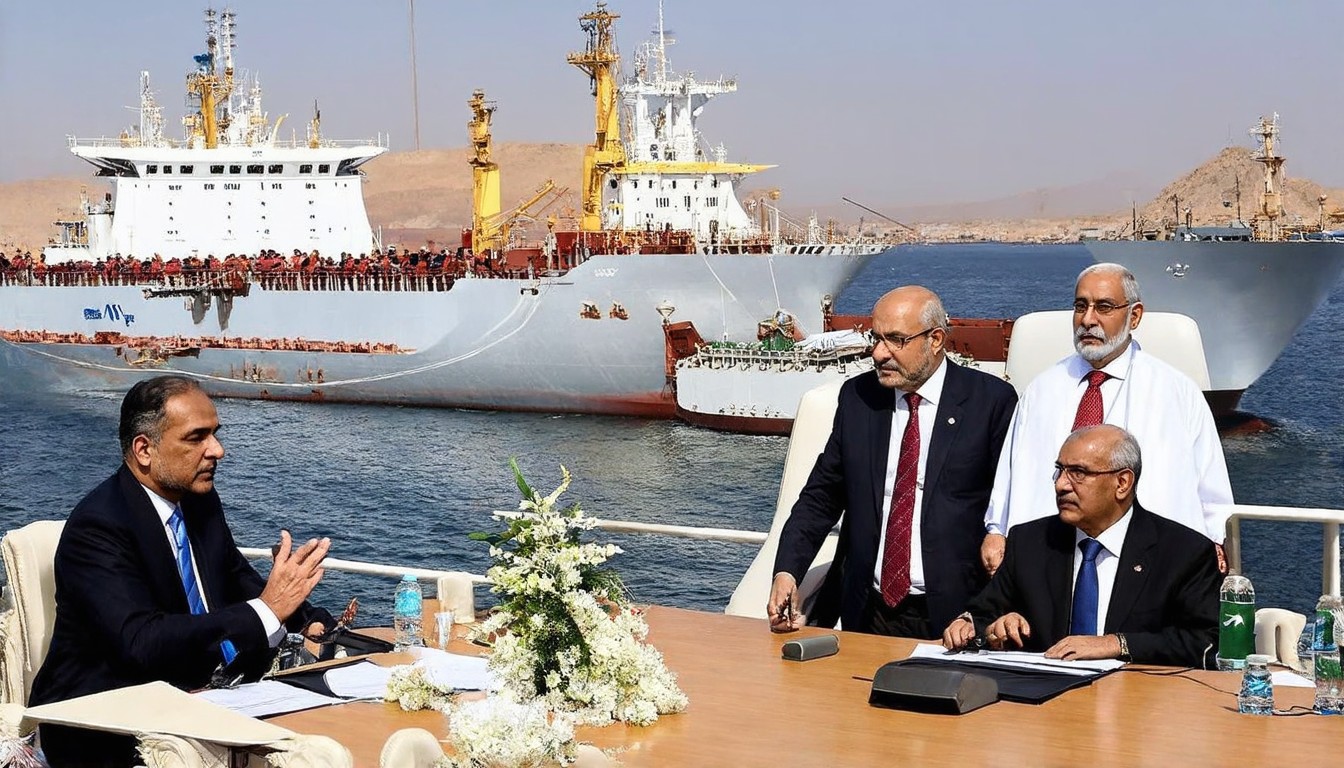
Pakistan has recently proposed a "two-phased" truce deal aimed at ending the ongoing US-Israeli war targeting Iran. This development comes as tensions in the Middle East escalate, with both the United States and Israel intensifying their military operations against Iranian assets and allies in the region. The proposal, which seeks to de-escalate the conflict, is being carefully considered by all parties involved, including Iran itself.
The two-phased truce deal, as outlined by Pakistan, involves a temporary ceasefire followed by a more comprehensive agreement to address the underlying issues driving the conflict. The first phase would see an immediate halt to military operations, allowing both sides to reassess their strategies and engage in diplomatic negotiations. The second phase would focus on establishing long-term peace and stability in the region, potentially involving broader international involvement.
Iran, while still reviewing the proposal, has made it clear that it will not reopen the strategic Strait of Hormuz as part of a temporary ceasefire. The Strait of Hormuz, a narrow waterway connecting the Persian Gulf to the Indian Ocean, is a critical chokepoint for global oil supplies, with approximately 30% of the world's oil passing through it daily. Its closure has been a significant concern for many nations, as it could lead to significant disruptions in global energy markets.
Pakistan's proposal is seen as a bold move, given its complex relationship with both the US-Israeli alliance and Iran. The country has long been a key player in the region, with historical ties to Iran and strategic interests in maintaining stability. By offering a truce deal, Pakistan aims to position itself as a mediator, seeking to mitigate the potential consequences of the ongoing conflict.
The US and Israel, while not yet responding directly to Pakistan's proposal, have been vocal about their concerns regarding Iran's nuclear program and its alleged support for terrorist groups in the region. They argue that their military operations are necessary to counteract Iranian aggression and protect regional security.
Iran, on the other hand, has accused the US and Israel of engaging in aggressive actions aimed at undermining its sovereignty and destabilizing the region. The country has consistently denied any involvement in terrorism and has emphasized its right to defend its national interests.
The proposed truce deal faces several challenges. For one, it is unclear whether the US and Israel would be willing to agree to a temporary ceasefire, given their stated objectives. Additionally, the refusal of Iran to reopen the Strait of Hormuz as part of the ceasefire could complicate efforts to reach a comprehensive agreement.
Despite these challenges, Pakistan's proposal highlights the urgent need for diplomatic engagement in the region. The ongoing conflict has the potential to spiral out of control, with far-reaching consequences for global security and economic stability. A two-phased truce deal, if successfully implemented, could provide a much-needed opportunity for dialogue and negotiation, paving the way for a more sustainable and peaceful resolution.
As the proposal is reviewed by all parties, the international community is closely monitoring the situation, hoping for a de-escalation of tensions and a return to diplomatic efforts. The stakes are high, and the need for a peaceful resolution cannot be overstated. The two-phased truce deal, if successful, could serve as a model for addressing complex global conflicts, demonstrating that diplomacy and negotiation remain essential tools for achieving lasting peace.









