Pakistan Announces USD 67.5 Billion Budget Amid Rising Living Costs
Pakistan's federal budget for 2026-27 faces criticism over its limited impact on easing inflation and rising utility bills.
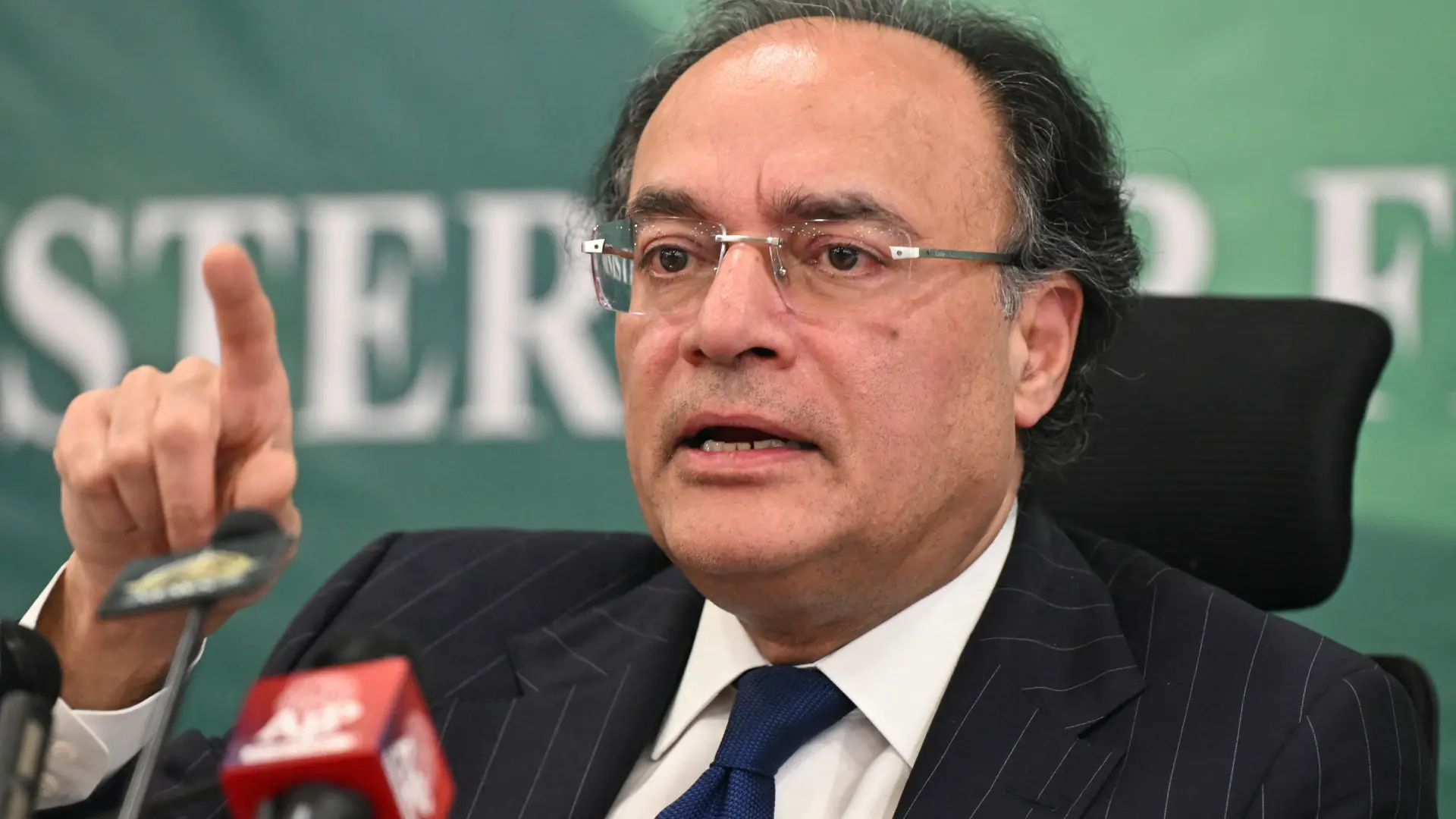
Pakistan's federal budget for the 2026-27 financial year has drawn widespread criticism from citizens who argue that it does little to address the financial strain caused by persistent inflation, rising utility bills, and broader economic uncertainty. The government recently announced a budget of around USD 67.5 billion, presenting it as an effort to maintain fiscal discipline and ensure sustainable economic growth. However, many citizens remain skeptical about its effectiveness in alleviating the growing economic challenges they face.
The budget, which was unveiled on June 18, 2026, outlines a range of measures aimed at stabilizing the economy and improving public services. Key priorities include increasing public sector wages, expanding social safety nets, and investing in infrastructure projects. However, critics argue that these measures are insufficient to tackle the deepening economic crisis, particularly given the country's ongoing inflationary pressures and the rising cost of living.
Inflation has remained a persistent challenge for Pakistan, with the country experiencing double-digit inflation rates for several consecutive months. Rising utility bills, particularly for electricity and water, have further exacerbated the financial burden on households. Many citizens are concerned that the budget does not provide adequate relief for these issues, leaving them to bear the brunt of the economic downturn.
The government has defended its budgetary approach, emphasizing the need for fiscal discipline and long-term economic planning. Officials argue that the budget includes provisions for debt management, tax reforms, and increased public spending on critical sectors such as education and healthcare. However, the effectiveness of these measures remains a subject of debate among economists and civil society groups.
Despite the criticism, the government has expressed confidence in the budget's ability to stabilize the economy and promote growth. It has also announced plans to seek international financial assistance to support its fiscal goals. However, the success of these initiatives will depend on the government's ability to implement the proposed measures effectively and address the underlying economic challenges facing the country.
As Pakistan continues to navigate its economic challenges, the upcoming budget will be closely watched by both domestic and international stakeholders. The government's ability to balance fiscal responsibility with the need to provide relief to citizens will be a key factor in determining the country's economic trajectory in the coming years.