
Pakistan: 45 people die, 105 wounded in rain-related accidents in Khyber Pakhtunkhwa
PDMA stated that of the 45 total deaths, 23 are minors, 17 are adult males, and 5 are females, while the injured include 45 men, 16 women, and 44 children
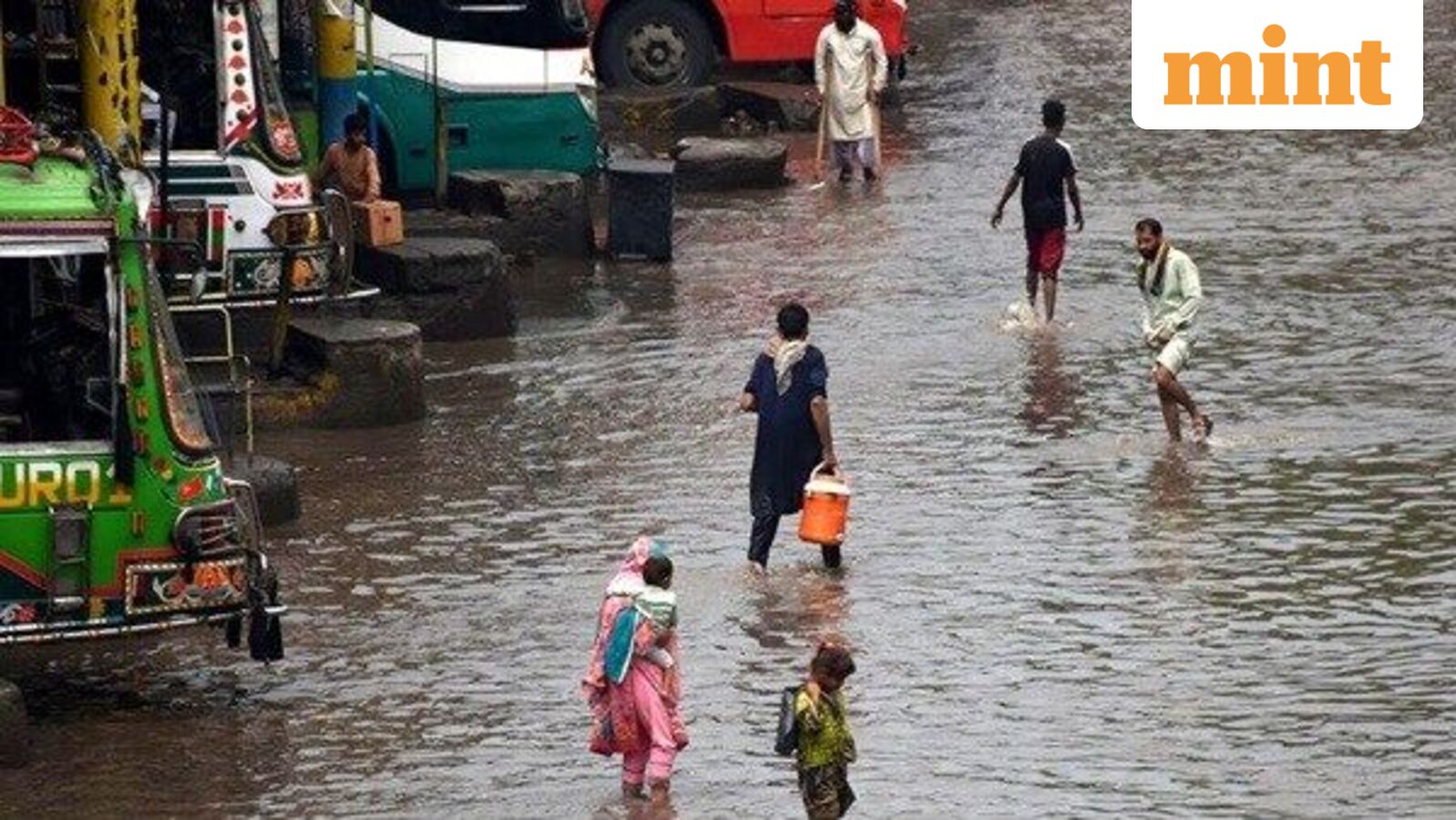
In the wake of heavy rainfall, Khyber Pakhtunkhwa, a province in Pakistan, has experienced a surge in road accidents, claiming the lives of 45 people and injuring 105 others. The Pakistan Disaster Management Authority (PDMA) has reported that the majority of the fatalities were minors, with 23 of the 45 deaths being children, followed by 17 adult males and 5 females. Among the injured, 45 are men, 16 are women, and 44 are children.
The heavy rains, which have been persistent in the region, have led to the swelling of rivers and the weakening of road infrastructure, particularly in rural areas. This has resulted in numerous landslides and mudslides, as well as the collapse of bridges and overpasses, making travel treacherous. Many of the accidents have occurred on poorly maintained roads, where vehicles have lost control due to the slippery conditions or have been swept away by fast-moving water.
The PDMA has highlighted that the majority of the accidents have taken place in the districts of Mansehra, Abbottabad, and Haripur, where the rainfall has been particularly intense. In Mansehra alone, at least 12 people lost their lives, while in Abbottabad, 10 fatalities were reported. The injured have been taken to nearby hospitals, which have been struggling to cope with the influx of patients. Many of the injured suffer from fractures, head injuries, and drowning-related trauma.
The provincial government has responded to the situation by deploying emergency response teams and medical personnel to the affected areas. They have also called upon the public to exercise caution while traveling and to avoid unnecessary journeys during the heavy rains. The authorities have urged drivers to adhere to speed limits and to maintain a safe distance from other vehicles to reduce the risk of collisions.
The tragedy has brought to light the long-standing issues of inadequate infrastructure and insufficient investment in road safety measures in Khyber Pakhtunkhwa. Many of the roads in the province are narrow, winding, and poorly paved, making them prone to accidents, especially during adverse weather conditions. The lack of proper drainage systems has also contributed to the worsening of the situation, as water accumulates on the roads, creating slippery conditions for vehicles.
The high number of minors among the fatalities has raised concerns about the safety of children on the roads. Many of the accidents have involved school buses or vehicles transporting children to and from schools. The PDMA has called for the implementation of stricter safety regulations for school transport, including regular maintenance checks, the use of seat belts, and the training of drivers to handle adverse weather conditions.
The government has pledged to conduct a thorough investigation into the accidents to identify systemic failures and to implement measures to prevent similar tragedies in the future. This includes improving road infrastructure, enhancing drainage systems, and increasing investment in emergency response capabilities.
The community has rallied together in the aftermath of the tragedy, with local volunteers and NGOs providing support to the affected families. Funerals for the victims have been held in solemn ceremonies, with mourners expressing their grief and calling for action to improve road safety in the region.
As the rains continue to batter Khyber Pakhtunkhwa, the province remains on high alert, with authorities closely monitoring the situation and preparing for any further incidents. The loss of life and the suffering of the injured serve as a stark reminder of the challenges posed by extreme weather conditions and the need for robust disaster management strategies in the region.








