
Over 30 universities targeted in Iran as US-Israeli strikes disrupt education
Education across Iran is under pressure as schools and universities are hit in ongoing US-Israeli strikes, disrupting learning and raising concerns over whether such attacks on civilian infrastructure could amount to war crimes under international law. Since February 28, more than 30 universities have been directly targeted, according to Iran’s Science Minister Hossein Simai Sarraf. … Get the latest updates in Hyderabad City News , Technology , Entertainment , Sports , Politics and Top Stories on WhatsApp & Telegram by subscribing to our channels. You can also download our app for Android and iOS .
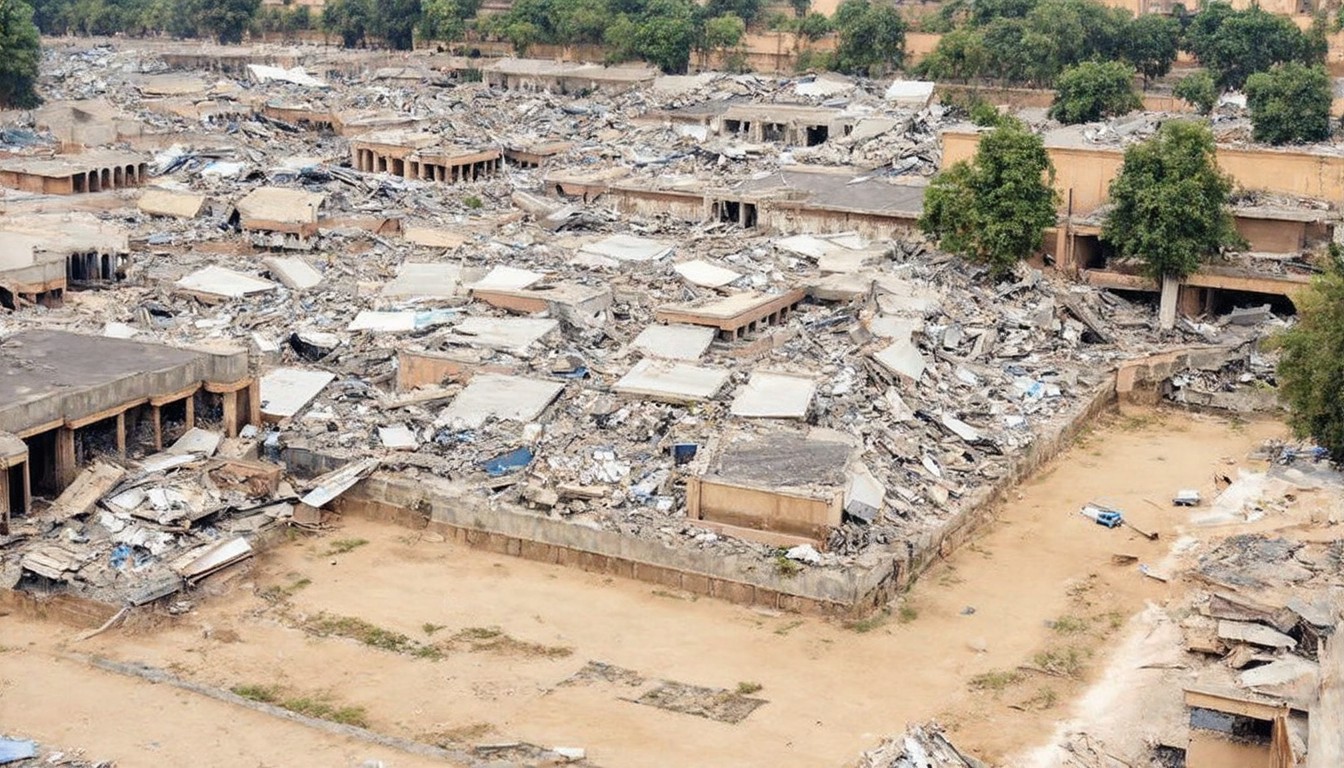
Education across Iran is under pressure as schools and universities are hit in ongoing US-Israeli strikes, disrupting learning and raising concerns over whether such attacks on civilian infrastructure could amount to war crimes under international law. Since February 28, more than 30 universities have been directly targeted, according to Iran’s Science Minister Hossein Simai Sarraf. Speaking during a visit to Shahid Beheshti University in northern Tehran on Saturday, April 4 — a day after it was struck — he said the attacks were increasingly affecting the country’s education system. Iranian media reported extensive damage to academic buildings and research facilities at the site.
Iran’s Foreign Minister Seyed Abbas Araghchi also weighed in on the situation, referring to one of the affected institutions as the “MIT of Iran” in a post on X on Monday, April 6. He described the strikes as part of a broader pattern of attacks on universities, targeting centres of knowledge. Araghchi warned that such actions would not go unanswered. Handwritten academic notes and documents lay amid debris at a damaged university site in Iran following a strike.
The scale of the impact extends beyond individual campuses. Hassan Fartousi, Secretary-General of Iran’s National Commission for UNESCO, stated that around 160 locations within university campuses have been affected, including laboratories and faculties, with some colleges destroyed. Separately, Quds News Network, citing a spokesperson for the Ministry of Education, reported that at least 924 schools have been damaged since the conflict began. Iran’s Foreign Ministry spokesman Ismail Baghaei mentioned in a post on X on Wednesday, April 1, that more than 600 schools and educational centres had been targeted since February 28.
The ongoing strikes have disrupted education for thousands of students and faculty members, with many campuses unable to function as normal. The attacks have also raised serious concerns about the potential violation of international law, particularly regarding the protection of civilian infrastructure. Critics argue that targeting educational institutions could be considered war crimes, as they are protected under the Geneva Conventions.
In response to the situation, Iranian officials have called for an end to the attacks on educational institutions and have urged the international community to take action. They have also emphasized the importance of preserving centres of knowledge and ensuring the safety of students and academics. Meanwhile, the US and Israel have not officially commented on the allegations, leaving the situation in a state of uncertainty.
The impact of these strikes on Iran’s education system is likely to be long-lasting, with many campuses facing significant challenges in rebuilding and resuming normal operations. The disruption to education not only affects the students and faculty members directly involved but also has broader implications for the future of Iran’s academic institutions and its overall development.
As the situation continues to evolve, it remains to be seen how the international community will respond to the allegations of attacks on civilian infrastructure and whether any measures will be taken to protect educational institutions in conflict zones. The situation in Iran serves as a stark reminder of the importance of safeguarding knowledge and education, even in the midst of conflict and unrest.









