
Ostseeküste: Experten prüfen Rettung des Wals bei Wismar mit Katamaran
Ein zwölf Tonnen schwerer Buckelwal kämpft vor der Insel Poel ums Überleben. Könnten ein Katamaran und Spezialgurte das Tier retten? Experten warten auf ein entscheidendes Gutachten.
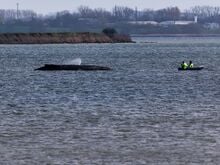
A twelve-ton humpback whale is struggling for survival off the coast of the island of Poel in the Baltic Sea. Experts are considering an unprecedented rescue operation using a catamaran and specialized harnesses to save the stranded marine mammal. The fate of the whale, which has been battling to stay afloat in shallow waters, hinges on a critical assessment by experts.
The whale was first spotted on the sandy shoals near the Ostseeküste, the Baltic Sea coastline, on Monday. Local fishermen and passersby rushed to the scene, alerting authorities and conservation groups. The whale, estimated to be around 15 meters long, appeared exhausted and unable to regain its position in deeper waters.
Rescue teams, including marine biologists and veterinarians, have been monitoring the situation closely. The challenge lies in the whale's location, which is only a few hundred meters off the coast, making it difficult to access safely. The shallow waters and rocky terrain pose significant risks for any attempt to bring the whale back to deeper waters.
One proposed solution involves using a high-speed catamaran to tow the whale away from the shore. The catamaran, known for its stability and speed, could potentially navigate the shallow waters and help the whale reach safer depths. However, the operation would require precise coordination and timing to avoid causing further harm to the already stressed animal.
In addition to the catamaran, experts are also considering the use of specialized harnesses to secure the whale during the rescue. These harnesses, designed for marine mammals, could provide the necessary support without causing injury. The harnesses would need to be carefully positioned to avoid restricting the whale's vital organs or hindering its breathing.
The decision to proceed with the rescue operation is contingent on a detailed evaluation by marine experts. They must weigh the risks and benefits of the proposed methods, ensuring that any intervention does not endanger the whale further. The experts are also assessing the whale's overall health and the likelihood of its survival if left undisturbed.
The humpback whale, a species known for its intelligence and social behavior, has been increasingly spotted in the Baltic Sea in recent years. Climate change and shifting ocean currents are believed to have played a role in these sightings, which are not uncommon in the region. However, strandings are rare and often indicate stress or illness.
Conservationists are hopeful that the rescue effort will be successful, as it presents a unique opportunity to learn more about the whale's behavior and the challenges it faces in this part of the world. If the whale recovers, it could provide valuable data for future conservation efforts and help raise awareness about the delicate balance of marine ecosystems.
As the experts await the final assessment, onlookers and volunteers have been gathering on the shore, offering support and keeping a watchful eye on the whale. The community's response has been heartwarming, with many eager to contribute to the rescue effort.
The outcome of this rescue operation will not only determine the fate of the humpback whale but also highlight the complex challenges faced by marine conservationists in the face of environmental changes and human activities. It serves as a stark reminder of the need for continued vigilance and collaboration to protect these magnificent creatures and their habitats.
In the meantime, the whale continues to battle against the odds, its struggle a poignant reminder of the fragility of our oceans and the importance of preserving them for future generations.








