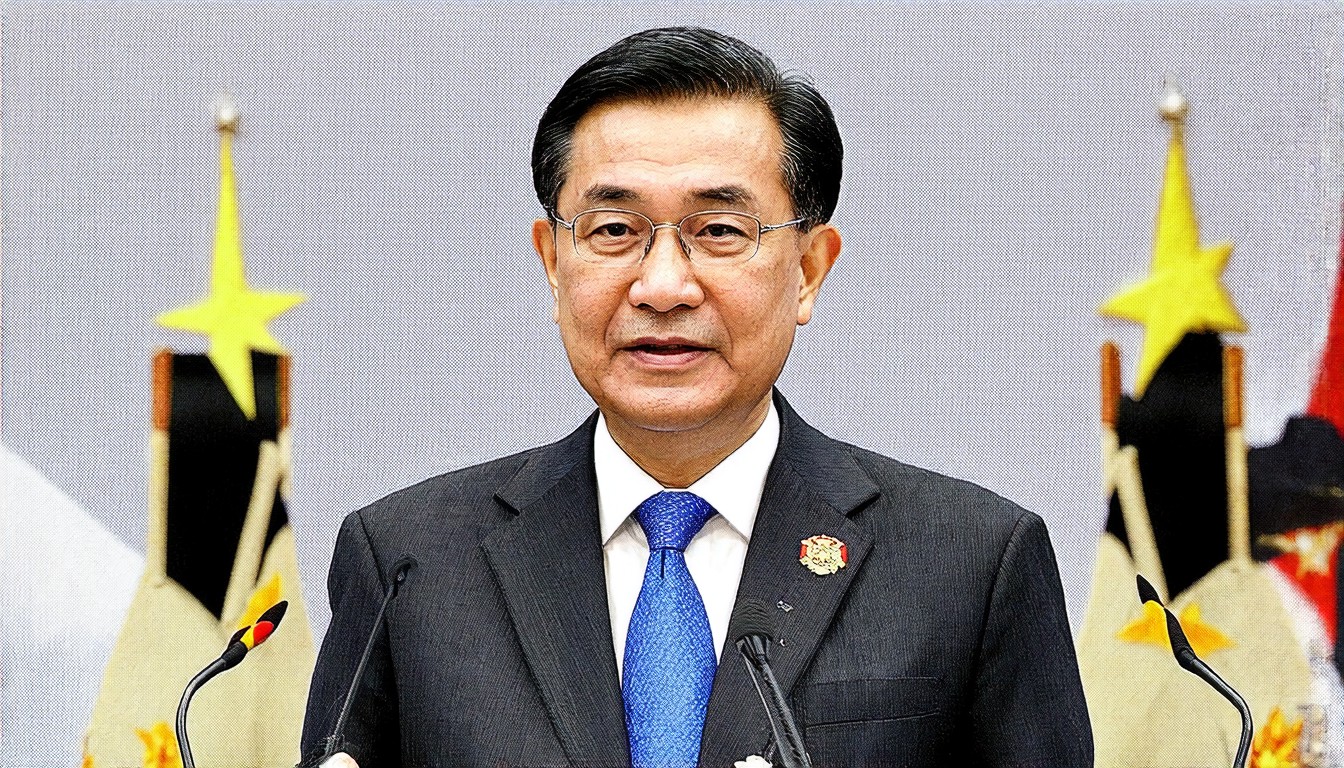
Orban appears to blame Ukraine after explosives found on gas pipeline to Hungary
Hungarian Prime Minister Viktor Orban on Sunday appeared to suggest Ukraine was involved in planning an act of sabotage after Serbia reported finding explosives on a gas pipeline used to transport Russian natural gas to the two countries. Earlier on Sunday, Serbian President Aleksandar Vucic said explosives “of devastating force” were found on the Balkan Stream pipeline near the village of Velebit on the Hungarian border. The pipeline transports Russian natural gas from Turkey via Bulgaria,...
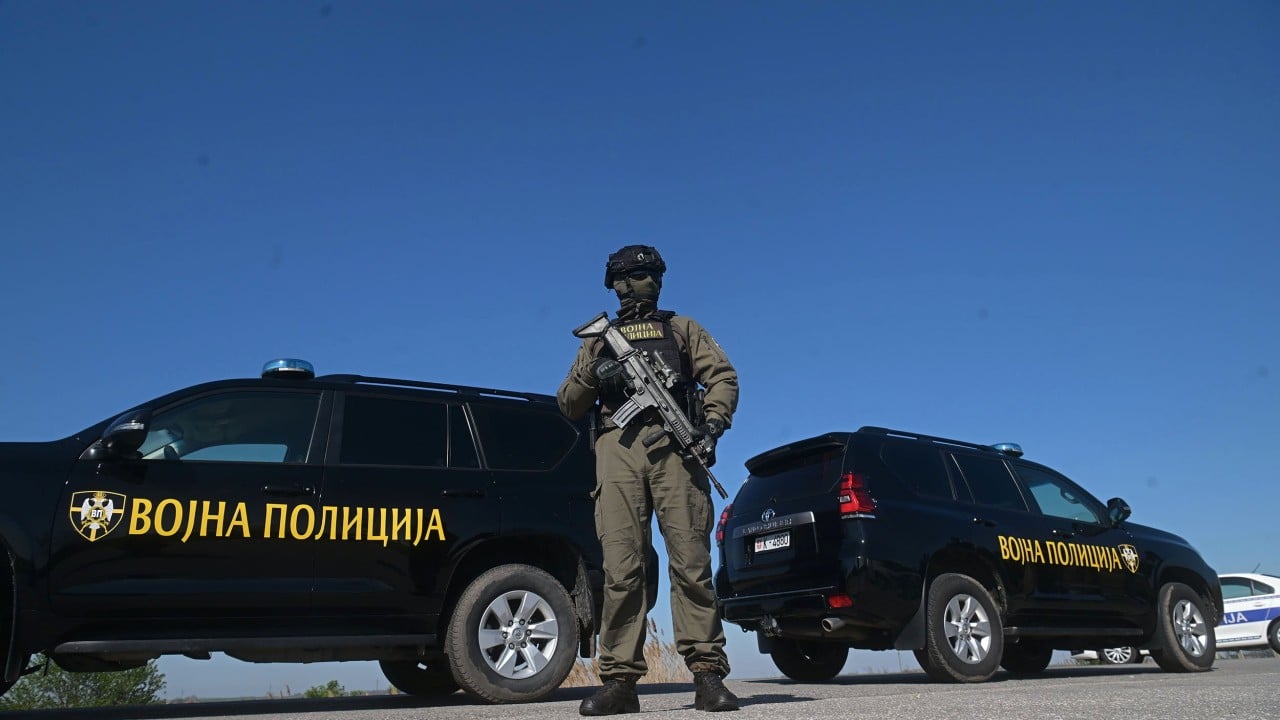
Hungarian Prime Minister Viktor Orban has recently drawn attention to Ukraine as a potential culprit behind a suspected act of sabotage on a gas pipeline that transports Russian natural gas to Hungary and Serbia. This comes after Serbian President Aleksandar Vucic announced the discovery of explosives on the Balkan Stream pipeline near the Hungarian border. The pipeline, which carries Russian gas from Turkey through Bulgaria, has been the subject of heightened scrutiny in the wake of these revelations.
Orban's remarks were made on Sunday, following Vucic's disclosure of the explosives found near the village of Velebit. Vucic described the explosives as having "devastating force," raising concerns about the potential impact of such an incident on regional energy supplies. The pipeline, also known as the TurkStream, was commissioned in 2020 as an alternative route to transport Russian gas to Europe, bypassing Ukraine.
Orban's accusation against Ukraine has not been met with immediate confirmation or denial from Kiev. However, tensions between Ukraine and Russia have been escalating since the Russian invasion of Ukraine in February 2022. In response to the invasion, many European countries have sought to diversify their energy sources, reducing their reliance on Russian gas. This has led to increased cooperation between Hungary, Serbia, and Russia, as the two countries have become more dependent on the TurkStream pipeline for their energy needs.
The discovery of explosives on the pipeline has raised questions about the security of critical infrastructure in the region. Hungary and Serbia have both expressed concerns about the potential for sabotage, particularly given the geopolitical tensions surrounding the conflict in Ukraine. Orban's suggestion that Ukraine might be involved in such an act could be seen as an attempt to further strain relations between Ukraine and its neighbors, particularly in the context of ongoing Russian aggression.
Ukraine, for its part, has been vocal about its concerns regarding Russian energy dominance in Europe. The country has long argued that its exclusion from the TurkStream pipeline undermines its economic interests and contributes to regional instability. However, Ukraine has not been directly implicated in any sabotage attempts on the pipeline to date.
The situation surrounding the TurkStream pipeline highlights the complex interplay of geopolitics and energy security in Europe. As tensions between Russia and Ukraine continue to escalate, the region's reliance on Russian gas has become a focal point for both cooperation and conflict. The recent discovery of explosives on the pipeline underscores the need for increased vigilance and collaboration among European nations to ensure the security of their critical energy infrastructure.
In the aftermath of Orban's remarks, Hungary and Serbia have called for a thorough investigation into the incident. Both countries have emphasized the importance of maintaining stable energy supplies and have urged international partners to support their efforts to safeguard the pipeline. Meanwhile, Ukraine has yet to respond directly to Orban's accusations, but the country's ongoing struggle for sovereignty and security remains a central issue in the region.
As the situation unfolds, it remains to be seen whether Ukraine will be implicated in the sabotage attempt or if the explosives were placed by another party. Regardless, the incident serves as a stark reminder of the challenges faced by European nations in navigating the complex landscape of energy security and geopolitical tensions. The discovery of explosives on the TurkStream pipeline has once again brought the region's energy infrastructure into the spotlight, highlighting the need for robust security measures and international cooperation to protect against potential threats.