
OPSB denies solar energy project in Morrow County
The Ohio Power Siting Board denied the Crossroads Solar project in Morrow County, citing strong local opposition. The post OPSB denies solar energy project in Morrow County appeared first on Farm and Dairy .
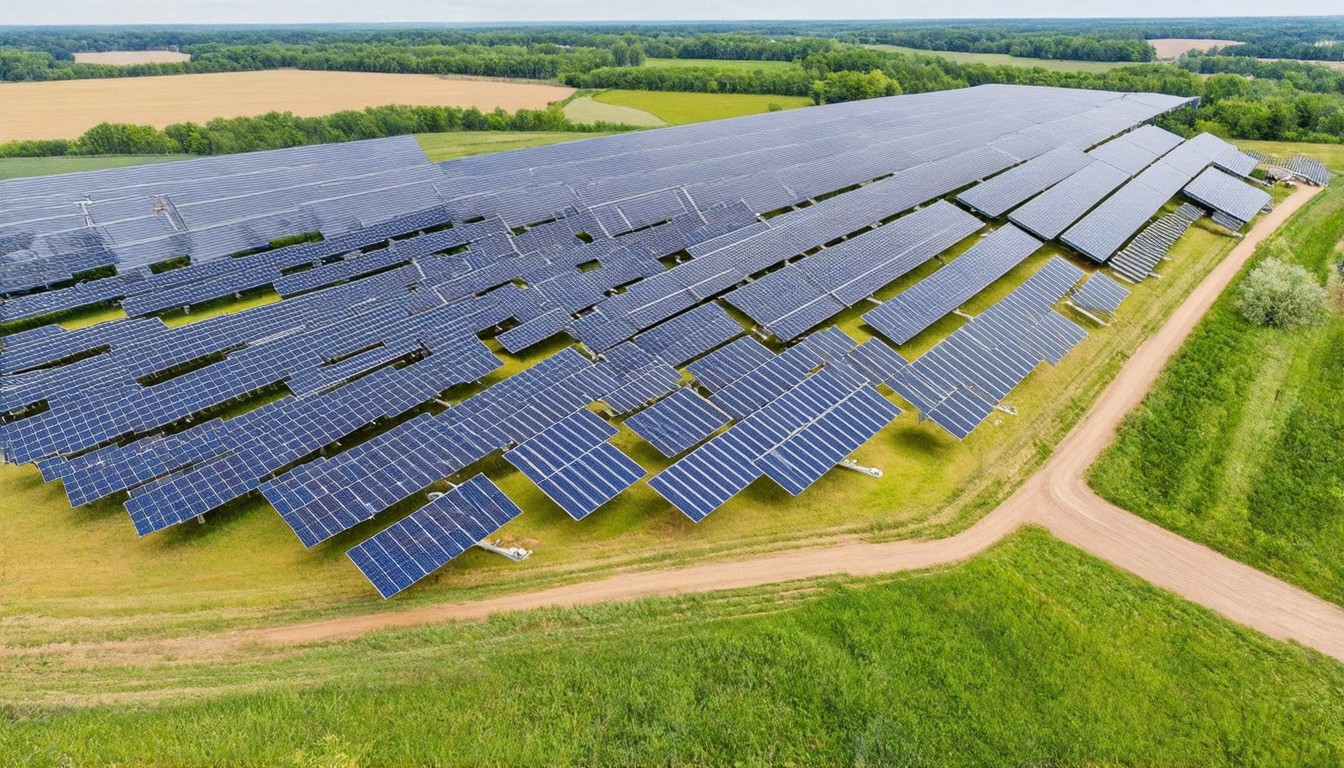
The Ohio Power Siting Board (OPSB) has denied a proposal for a 726-acre solar farm in Morrow County, citing strong local opposition. The Crossroads Solar project, developed by Open Road Renewables, aimed to build a 94 megawatt solar-powered electric generation facility in Cardington, Lincoln, and Westfield townships. The OPSB concluded that the project would not serve the “public interest, convenience, and necessity” as required under Ohio law, given the consistent opposition from local residents and elected government entities.
The decision was made after a thorough analysis of the project, which took into account various local interests and concerns. The board noted that the opposition to the project was not only from residents but also from local governments, who expressed distrust in the developer's plans. One major point of contention was the lack of commitment to local sheep grazing, despite the developer highlighting this as a key component of the project. Additionally, there were concerns about the developer’s intention to sell the rights to the project to another company before it became operational.
The Ohio Environmental Council (OEC) expressed concern over the OPSB's decision, pointing out that the project had initially been recommended for approval by OPSB staff, who found it met state siting standards and served the public interest. However, the recommendation was later reversed following a non-unanimous resolution from a local township opposing the project. The OEC also drew attention to a Canary Media report revealing dozens of fake or duplicate online comments in opposition to the project, suggesting that the opposition might not have been entirely genuine.
The OPSB's decision highlights the challenges faced by renewable energy projects in gaining local support, even when they align with state environmental goals. In this case, the project's potential benefits, such as job creation and clean energy production, were outweighed by the local opposition. This outcome underscores the importance of effective communication and collaboration between developers, local governments, and community members to ensure that such projects are supported and can proceed smoothly.
The denial of the Crossroads Solar project in Morrow County is a setback for renewable energy development in the region. However, it also serves as a reminder that the success of such projects depends on balancing the needs of the community with the broader goals of energy transition and sustainability. As the debate over renewable energy continues, it will be crucial for all stakeholders to work together to find solutions that are acceptable to everyone involved.
In the aftermath of the OPSB's decision, the future of solar energy projects in Morrow County remains uncertain. While the Crossroads Solar project has been denied, the debate over renewable energy's role in the region will likely continue. Local governments, developers, and community members will need to engage in constructive dialogue to ensure that future projects are more likely to gain the support they need to succeed.
The denial of the Crossroads Solar project also raises questions about the role of local governments in the siting of renewable energy projects. The OPSB's decision to prioritize local opposition over the project's potential benefits highlights the challenges faced by renewable energy developers in navigating the complex landscape of local governance and community relations.
In conclusion, the Ohio Power Siting Board's denial of the Crossroads Solar project in Morrow County is a significant development in the renewable energy landscape of the state. The decision, based on strong local opposition, underscores the need for better communication and collaboration between developers, local governments, and community members. As the push for clean energy continues, it will be essential for all stakeholders to work together to ensure that renewable energy projects are supported and can contribute to the state's energy goals.









