OpenAI's ambitions are easy to see. So are the doubts about its CEO.
Sam Altman is one of the most powerful people in the world. Are we OK with that?
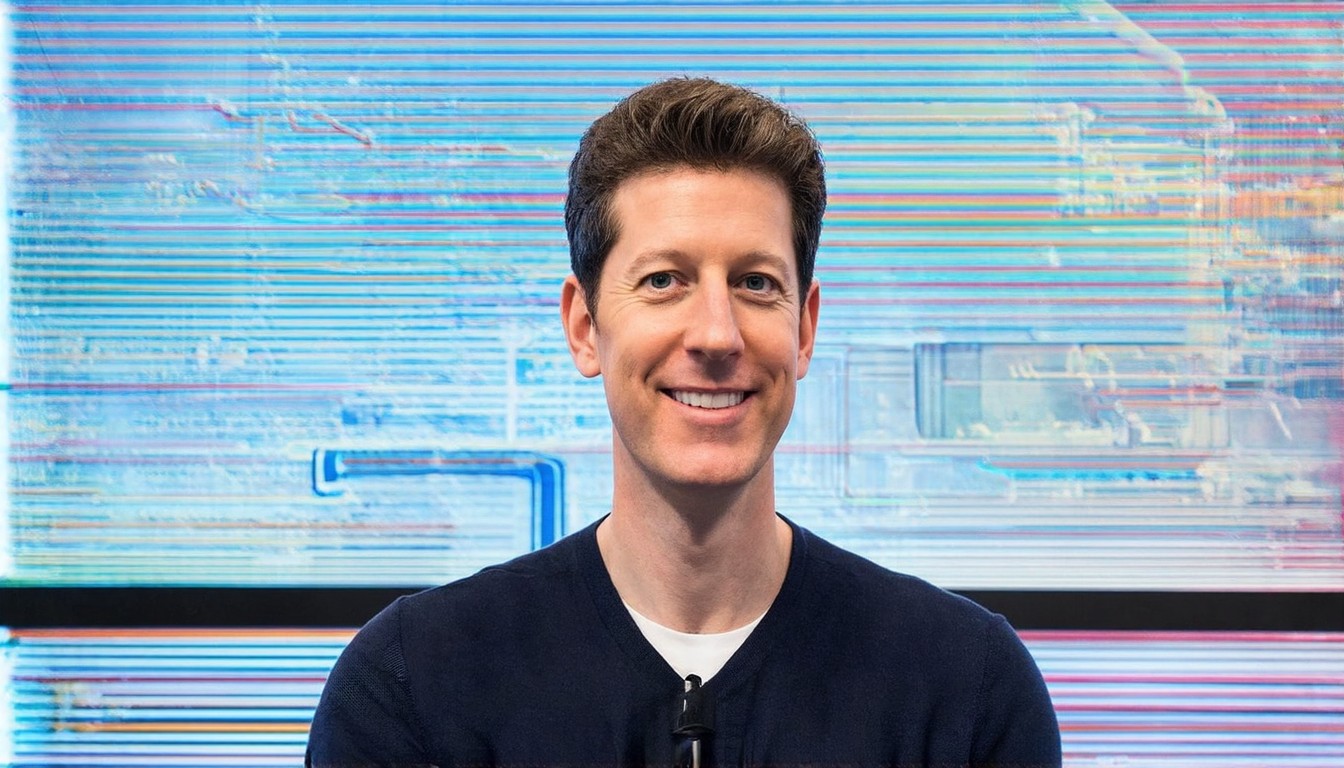
OpenAI's ambitions are easy to see. So are the doubts about its CEO.
Sam Altman, the CEO of OpenAI, holds enormous power, and this has raised concerns among many. The company, which is at the forefront of the AI revolution, could reshape the world with its technology. While the potential benefits of AI are vast, there are also significant risks to consider. These risks include job displacement, misuse of technology by bad actors, loss of human control, and the concentration of power and wealth.
OpenAI was founded in 2015 with the explicit goal of managing these risks. The company was established as a nonprofit entity by Sam Altman and others, who aimed to ensure that the development and use of AI were done responsibly. However, OpenAI's history has been anything but straightforward. The company now operates under a unique for-profit/nonprofit structure, a setup that has been the subject of much debate.
Despite the challenges, one constant at OpenAI has been Sam Altman's leadership. However, many people who have worked with Altman have expressed a lack of trust in him. A recent profile in The New Yorker, written by Ronan Farrow and Andrew Marantz, delves into Altman's history and highlights the concerns of those who have crossed paths with him.
Altman's past associates and colleagues have described him as "slippery" and someone who is "unconstrained by truth." These accusations are not new. In the fall of 2023, OpenAI's board of directors fired Altman, citing his lack of consistent candor in communication. However, Altman orchestrated a reverse coup, reclaiming his position as CEO and causing most of his detractors to leave the company.
The fact that so many individuals who have worked with Altman no longer wish to collaborate with him speaks volumes about the trust issues surrounding him. This lack of trust is particularly concerning given OpenAI's significant influence in the world of AI. The company's mission to manage the risks associated with AI development is crucial, and the leadership's credibility is essential to achieving this goal.
As OpenAI continues to shape the future of AI, the doubts about its CEO cannot be ignored. The potential benefits of AI are immense, but so are the risks. It is up to the leadership of OpenAI to address these concerns and ensure that the company remains committed to its founding principles. Only then can the world harness the full potential of AI while mitigating its dangers.