OpenAI Microscope
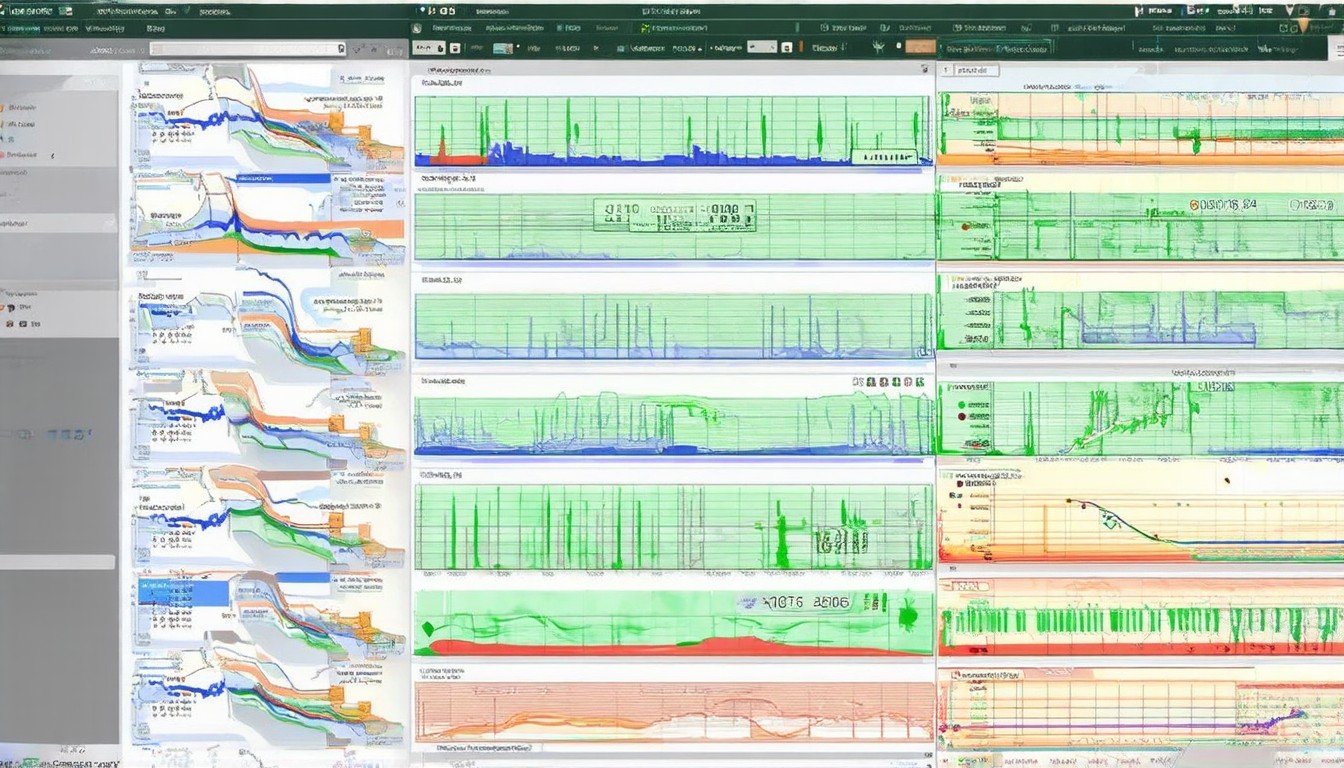
We’re introducing OpenAI Microscope, a collection of visualizations of every significant layer and neuron of eight vision “model organisms” which are often studied in interpretability. Microscope makes it easier to analyze the features that form inside these neural networks, and we hope it will help the research community as we move towards understanding these complicated systems.
OpenAI Microscope: A New Tool for Exploring Vision Models
In recent years, the field of artificial intelligence has made significant strides, particularly in the realm of computer vision. As researchers continue to delve deeper into the complexities of neural networks, understanding how these models perceive and interpret visual data has become increasingly important. To address this need, OpenAI has introduced the OpenAI Microscope, a groundbreaking tool designed to provide visualizations of every significant layer and neuron in eight widely studied vision models.
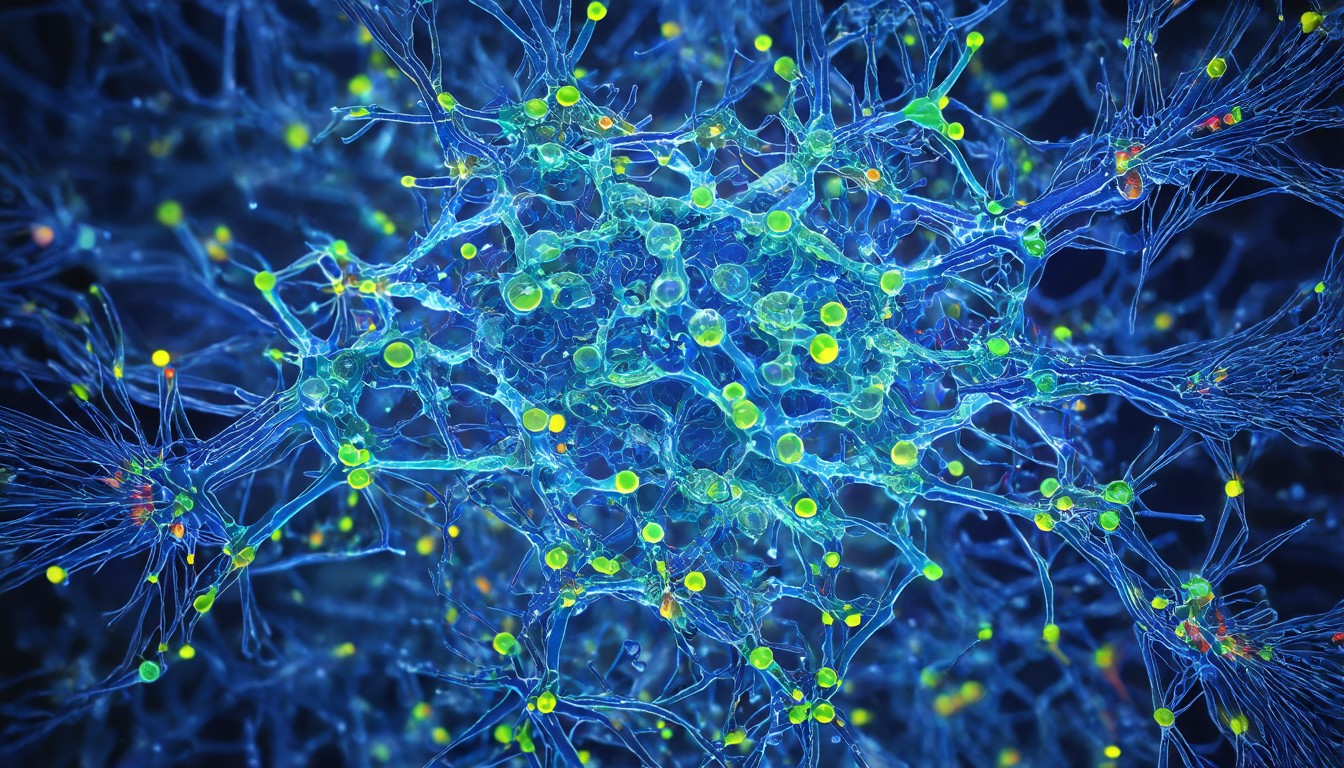
The OpenAI Microscope is a collection of visualizations that allow researchers to analyze the intricate features that form within neural networks. These models, often referred to as "model organisms" in the field of interpretability, serve as the foundation for studying how artificial intelligence processes and understands visual information. By offering a comprehensive view of these models, the Microscope aims to facilitate a better understanding of the inner workings of complex systems.
The eight vision models included in the OpenAI Microscope are among the most well-known and frequently studied in the research community. These models range from simpler architectures to more advanced, state-of-the-art designs. By visualizing each layer and neuron, researchers can gain insights into how these models process and represent visual data at a granular level. This, in turn, can help identify patterns, biases, and limitations within the models, ultimately leading to improvements in their performance and reliability.
One of the key benefits of the OpenAI Microscope is its accessibility. The tool is designed to be user-friendly, allowing researchers from various backgrounds to explore and analyze the visualizations with ease. This democratization of knowledge encourages collaboration and accelerates progress in the field of interpretability. By making it simpler to understand the inner workings of vision models, the Microscope empowers researchers to develop more effective strategies for improving and optimizing these systems.
The introduction of the OpenAI Microscope also highlights the ongoing efforts of the research community to better understand and interpret neural networks. As these models become increasingly sophisticated and powerful, the need for transparency and explainability has never been greater. The Microscope serves as a testament to the importance of these efforts, as it provides a valuable resource for researchers to gain a deeper understanding of how vision models process and interpret visual data.
In conclusion, the OpenAI Microscope represents a significant advancement in the field of interpretability. By offering visualizations of every significant layer and neuron in eight vision models, the tool enables researchers to analyze the features that form within these neural networks. This new resource is poised to become an invaluable tool for the research community as we continue to strive for a deeper understanding of complex artificial intelligence systems. As we move forward, the OpenAI Microscope will undoubtedly play a crucial role in shaping the future of computer vision and artificial intelligence.