
OpenAI CFO Questions 2026 IPO Readiness
OpenAI CEO Sam Altman and CFO Sarah Friar are diverging over the company’s timeline for an initial public offering as Altman pushes for a public debut as early as the fourth quarter, The Information reported . Friar has privately expressed concerns that the AI startup will not be ...
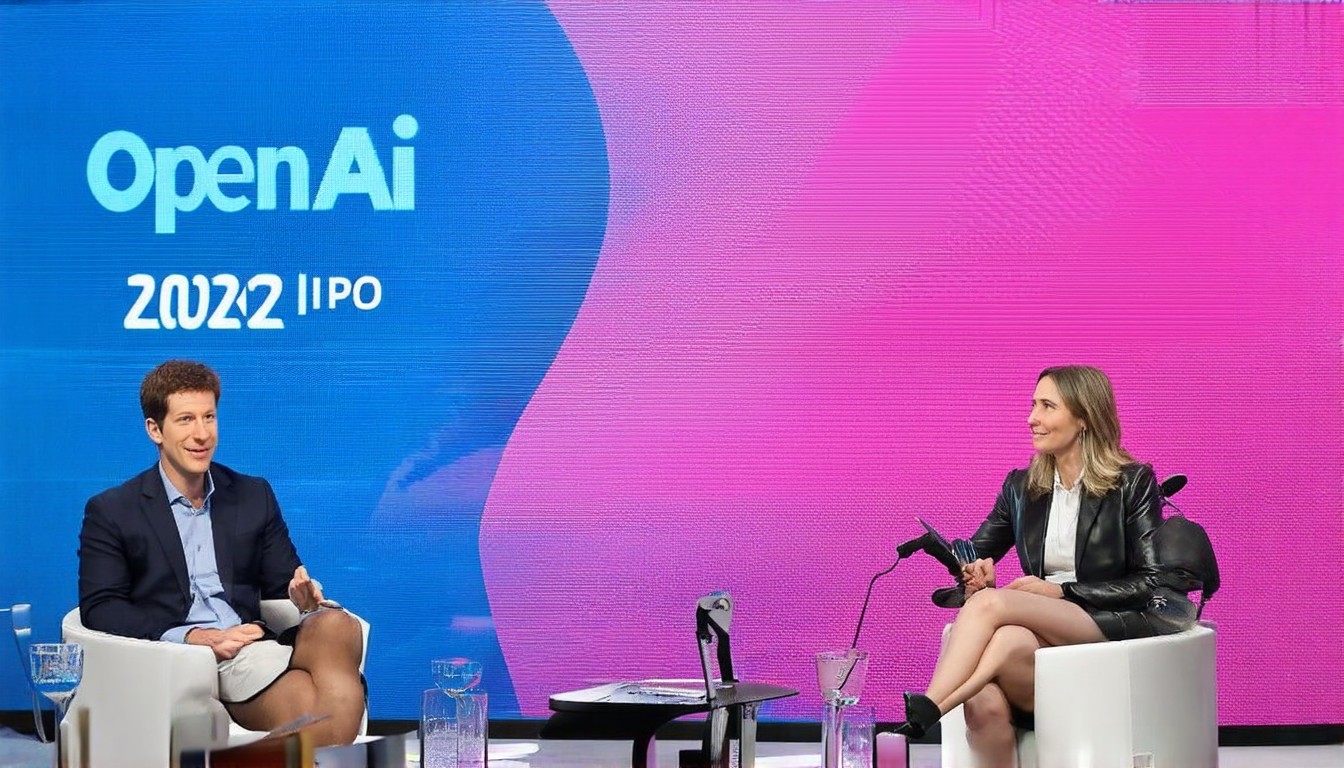
OpenAI's leadership is grappling with differing views on the company's readiness for an IPO, with CEO Sam Altman advocating for an early public debut and CFO Sarah Friar expressing reservations about the timing, according to The Information. The disagreement between the two executives highlights the complexities of balancing rapid growth with financial stability as OpenAI navigates its path to an IPO.
Sam Altman, the co-founder and CEO of OpenAI, has been vocal about his desire to take the company public as soon as possible. He believes that an early IPO would allow OpenAI to raise significant capital, which could be used to accelerate innovation and expand its market presence. Altman's enthusiasm is driven by the company's impressive growth trajectory and the strong demand for its AI technologies. OpenAI has already made a name for itself with groundbreaking advancements in artificial intelligence, such as the development of ChatGPT, which has revolutionized the way people interact with AI.
However, Sarah Friar, the CFO of OpenAI, has raised concerns about the company's readiness for an IPO in 2026. Friar's primary worry is that the company may not have fully stabilized its financials and operational structure before going public. She argues that rushing into an IPO could expose the company to unnecessary risks, potentially undermining its long-term growth prospects. Friar's cautious approach is rooted in her extensive experience in the technology industry, where she has previously served as the CEO of Nextdoor and CFO of LinkedIn.
The disagreement between Altman and Friar is not unusual in fast-growing startups, where founders often prioritize rapid expansion, while seasoned executives like CFOs tend to focus on financial prudence. In this case, the stakes are high, as an IPO could valuate OpenAI at billions of dollars. The company's recent funding rounds, including a $1 billion investment led by Microsoft, have already boosted its valuation significantly.
The potential IPO timeline also raises questions about the broader AI landscape. With the rapid advancements in AI technologies, the market for AI-related companies is expected to grow exponentially in the coming years. However, the industry is also facing challenges, such as regulatory scrutiny and ethical concerns surrounding AI applications. In this context, OpenAI's decision to go public could have a ripple effect on the entire AI ecosystem, encouraging or discouraging other companies from pursuing an IPO.
Moreover, the debate between Altman and Friar reflects a broader trend in the tech industry, where founders and executives grapple with the timing of an IPO. While an early IPO can provide a company with the capital needed to scale quickly, it also exposes the company to the pressures of public markets, which can be demanding for a rapidly evolving startup like OpenAI.
As the two executives weigh the pros and cons of an early IPO, they must also consider the expectations of their investors. OpenAI has already raised substantial funding from prominent investors, including Microsoft, Sequoia Capital, and Thrive Capital. These investors are likely to have their own views on the company's IPO readiness, which could influence the final decision.
In the end, the outcome of this internal debate will depend on a variety of factors, including the company's financial health, market conditions, and the evolving landscape of the AI industry. Regardless of the decision, it is clear that OpenAI's leadership is facing a challenging yet critical juncture in the company's history. The stakes are high, and the consequences of an early IPO could have a lasting impact on the company's trajectory and the broader AI market.









