
OPEC+ to hike crude output: Will it make a difference to oil prices?
The Organization of the Petroleum Exporting Countries and its allies (OPEC+) has agreed to increase its crude output as the Middle East conflict continues to disrupt oil traffic passing through the Strait of Hormuz.
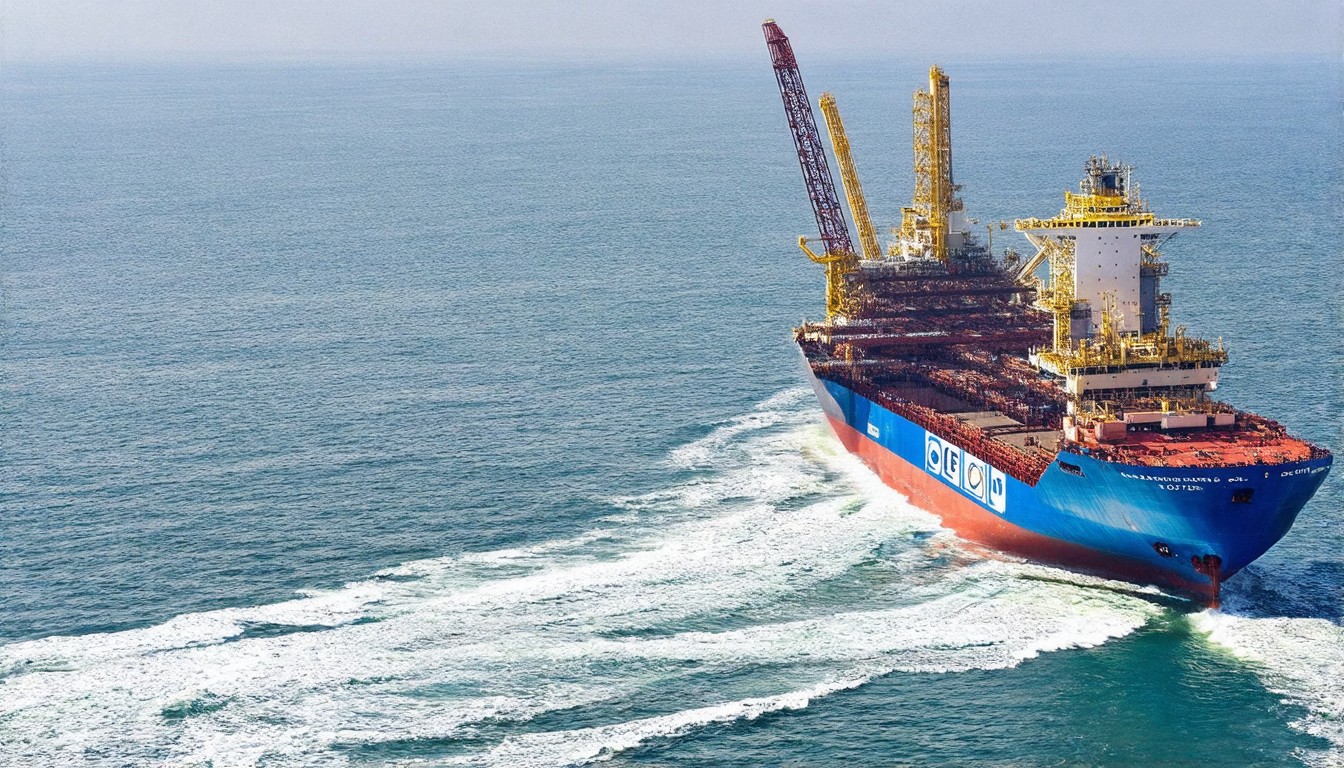
The Organization of the Petroleum Exporting Countries (OPEC+) has announced a decision to increase its crude oil output, a move that could potentially impact global oil prices amid ongoing tensions in the Middle East. The decision comes as the conflict in the region continues to disrupt oil traffic passing through the strategically vital Strait of Hormuz.
OPEC+, which includes both OPEC member states and non-OPEC producers like Russia, has been closely monitoring the situation in the Middle East, where escalating tensions have led to concerns about supply disruptions. The Strait of Hormuz, through which approximately 30% of global oil shipments pass, has been a focal point of these tensions. The increased crude output by OPEC+ is intended to mitigate potential supply shortages and stabilize prices in the event of further disruptions.
The decision to hike output follows a series of meetings between OPEC+ members, who have been assessing the impact of the Middle East conflict on global oil markets. Analysts have noted that while the conflict has not yet led to significant supply reductions, the uncertainty surrounding the situation has contributed to volatility in oil prices. By increasing output, OPEC+ aims to provide a buffer against potential disruptions and reassure markets that supply remains adequate.
However, the extent to which this increase in output will affect oil prices remains uncertain. While the move could help to prevent sharp price spikes, it may not be sufficient to counteract other factors driving prices, such as geopolitical risks, market speculation, and changes in demand. Additionally, the effectiveness of the decision will depend on the duration and severity of the Middle East conflict. If the disruptions persist, the increased output may not fully offset the potential supply shortages.
Moreover, the decision to increase output could have implications for OPEC+’s broader strategy. The group has been focusing on maintaining a balance between supply and demand, with the goal of stabilizing prices and supporting economic growth. By increasing output, OPEC+ may be signaling a willingness to prioritize supply over price stability, which could have longer-term consequences for global oil markets.
In the meantime, market participants are closely watching the situation in the Middle East and the impact of OPEC+’s decision. While the increased output provides some reassurance, the uncertainty surrounding the conflict and its potential effects on oil supply remains a significant factor influencing prices. As the situation evolves, OPEC+ will likely continue to monitor market developments and adjust its strategy accordingly.
In conclusion, OPEC+’s decision to increase crude oil output is a direct response to the ongoing Middle East conflict and its potential impact on global oil supply. While the move aims to stabilize prices and mitigate disruptions, its effectiveness will depend on the unfolding of events in the region. As global markets navigate a landscape marked by geopolitical tensions and economic uncertainties, the ability of OPEC+ to manage supply and demand will remain a critical factor in determining oil prices and market stability.









